


Review
doi: 10.2147/CCID.S267203.
eCollection 2021.
Updates and Best Practices in the Management of Facial Erythema
Affiliations
- PMID: 34135612
- PMCID: PMC8197440
- DOI: 10.2147/CCID.S267203
Item in Clipboard
Review
Updates and Best Practices in the Management of Facial Erythema
Clin Cosmet Investig Dermatol.
.
Abstract
Facial erythema is a common dermatologic complaint. There are many medical and procedure-based treatments to help reduce the appearance of unwanted facial redness. The authors review a variety of treatment options and techniques to reduce facial erythema and prominent facial veins including topical medical therapies, a variety of lasers, light- and energy-based devices as well as the use of neuromodulators and sclerotherapy. The benefits and potential pitfalls of each procedure modality are also highlighted.
Keywords: energy-based devices; facial redness; facial vessels; flushing; lasers; rosacea.
© 2021 Loyal et al.
Figures
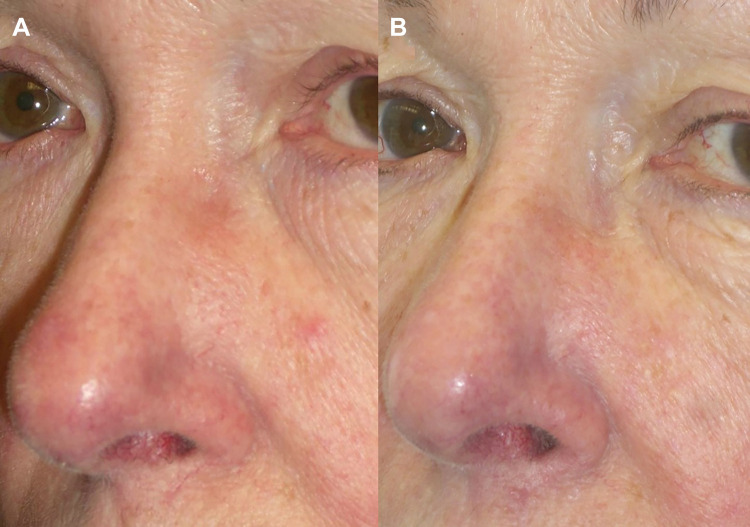
Before (A) and post one year (B) following 2 PDL treatments for erythema of the nose. Figure courtesy of Dr. Goldman.
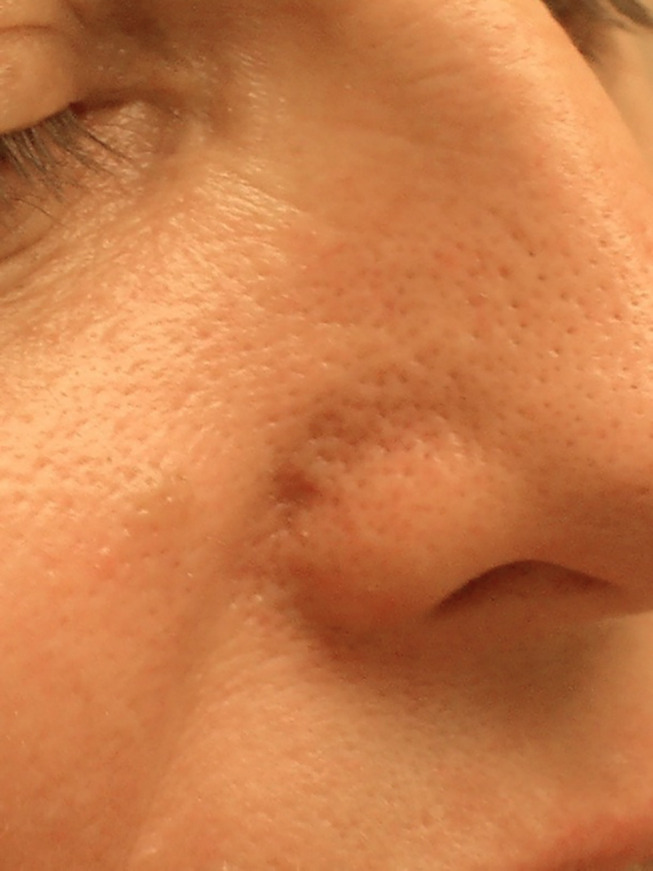
Dermal defect present on the alar groove following treatment with LP 1064 nm ND:YAG. Figure courtesy of Dr. Goldman.
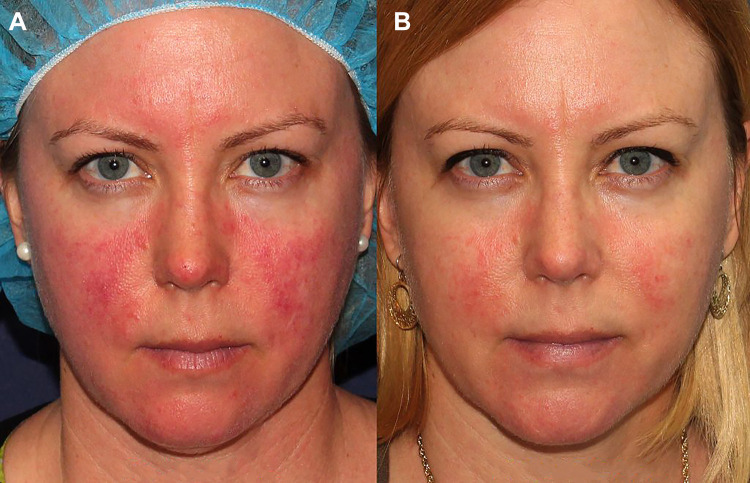
Before (A) and after (B) one treatment with IPL for rosacea. Figure courtesy of Dr. Goldman.
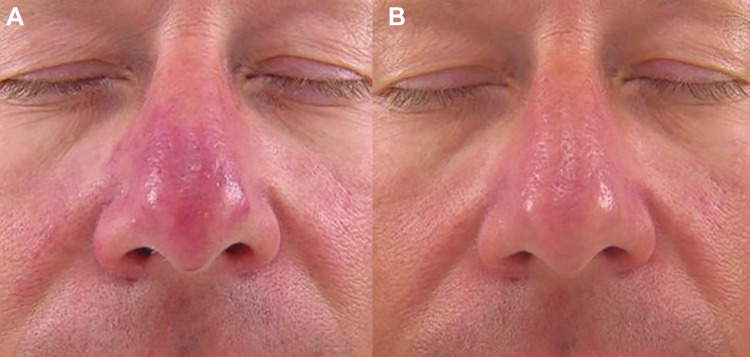
Before (A) and after (B) IPL treatment of red nose rosacea with Lumenis One (20 J/cm2, 3.5–3.5 msec). Figure courtesy of Dr. Goldman.
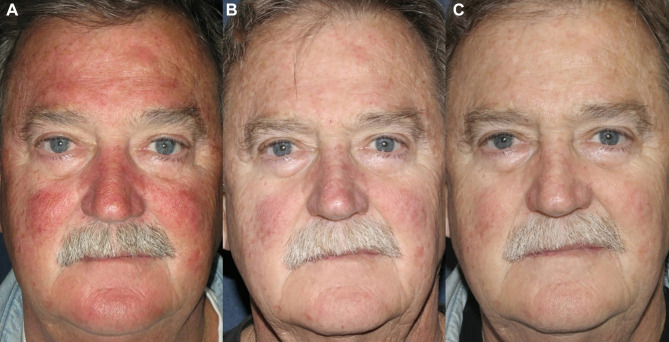
PDT blue light for rosacea, pre-treatment (A), post 1 treatment (B), post two treatments (C). Figure courtesy of Dr. Goldman.
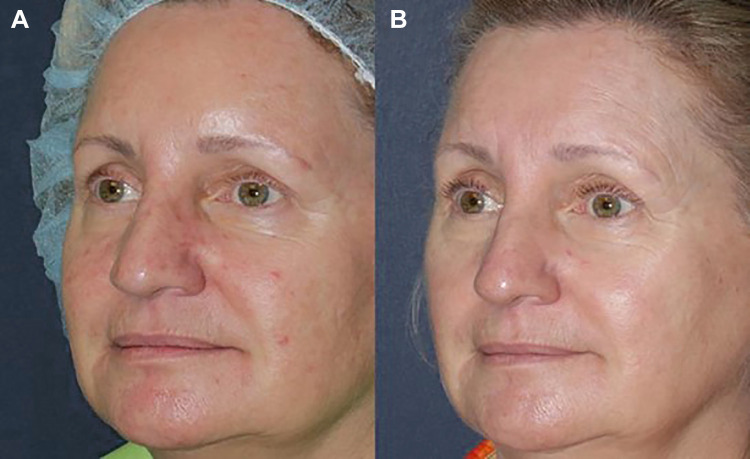
Before (A) and after (B) ALA-PDT for treatment of rosacea with PDL, IPL, and blue/red light. Figure courtesy of Dr. Goldman.
References
-
- Gether L, Overgaard LK, Egeberg A, et al. Incidence and prevalence of rosacea: a systematic review and meta-analysis. Br J Dermatol. 2018;179(2):282–289. - PubMed
Publication types
LinkOut - more resources
Full Text Sources
