


Effects of therapeutic vaccination on the control of SIV in rhesus macaques with variable responsiveness to antiretroviral drugs
- PMID: 34138927
- PMCID: PMC8211199
- DOI: 10.1371/journal.pone.0253265
Effects of therapeutic vaccination on the control of SIV in rhesus macaques with variable responsiveness to antiretroviral drugs
Abstract
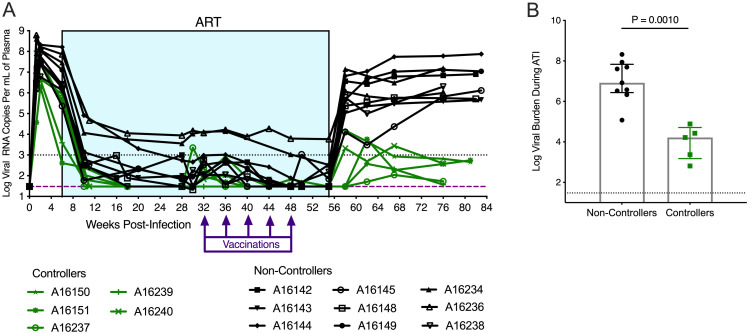
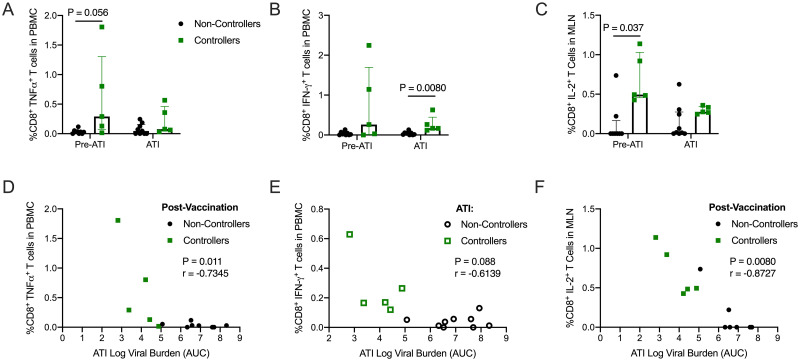
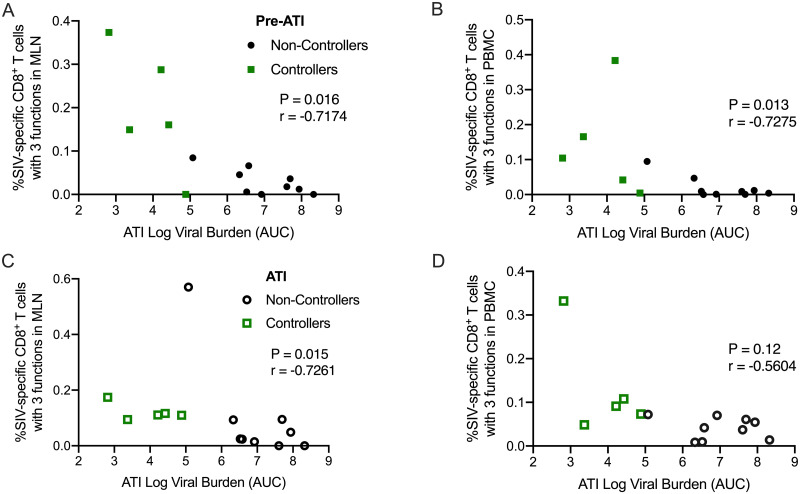
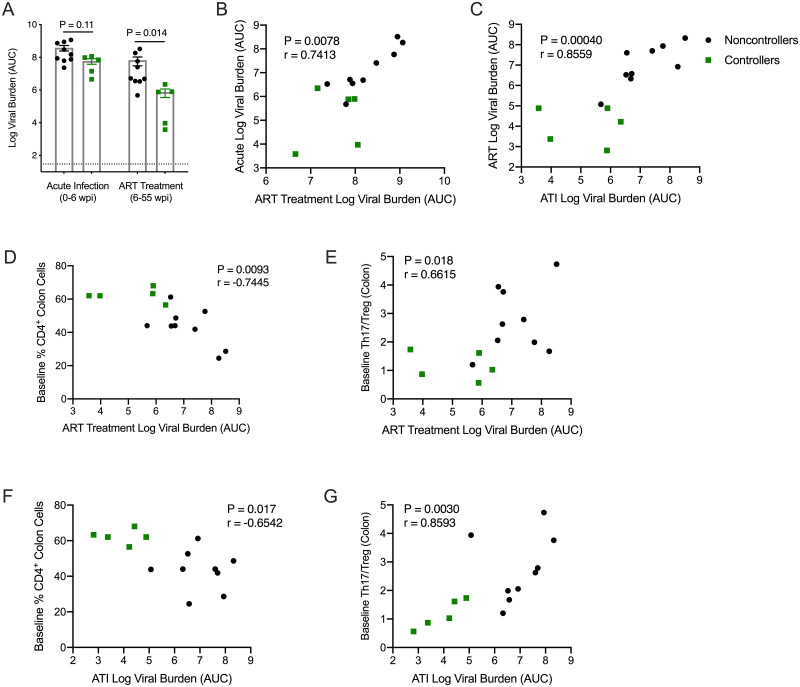
A therapeutic vaccine that induces lasting control of HIV infection could eliminate the need for lifelong adherence to antiretroviral therapy. This study investigated a therapeutic DNA vaccine delivered with a single adjuvant or a novel combination of adjuvants to augment T cell immunity in the blood and gut-associated lymphoid tissue in SIV-infected rhesus macaques. Animals that received DNA vaccines expressing SIV proteins, combined with plasmids expressing adjuvants designed to increase peripheral and mucosal T cell responses, including the catalytic subunit of the E. coli heat-labile enterotoxin, IL-12, IL-33, retinaldehyde dehydrogenase 2, soluble PD-1 and soluble CD80, were compared to mock-vaccinated controls. Following treatment interruption, macaques exhibited variable levels of viral rebound, with four animals from the vaccinated groups and one animal from the control group controlling virus at median levels of 103 RNA copies/ml or lower (controllers) and nine animals, among all groups, exhibiting immediate viral rebound and median viral loads greater than 103 RNA copies/ml (non-controllers). Although there was no significant difference between the vaccinated and control groups in protection from viral rebound, the variable virological outcomes during treatment interruption enabled an examination of immune correlates of viral replication in controllers versus non-controllers regardless of vaccination status. Lower viral burden in controllers correlated with increased polyfunctional SIV-specific CD8+ T cells in mesenteric lymph nodes and blood prior to and during treatment interruption. Notably, higher frequencies of colonic CD4+ T cells and lower Th17/Treg ratios prior to infection in controllers correlated with improved responses to ART and control of viral rebound. These results indicate that mucosal immune responses, present prior to infection, can influence efficacy of antiretroviral therapy and the outcome of immunotherapeutic vaccination, suggesting that therapies capable of modulating host mucosal responses may be needed to achieve HIV cure.
Conflict of interest statement
Dr. Kenneth Bagley was a paid employee of Profectus Biosciences and had stock options with Profectus when the research was performed. A portion of this study was supported by the SBIR R44AI110315 awarded to Profectus BioSciences. Dr. Bagley was the Principal Investigator for R44AI110315. At the time the study was performed, Dr. Bagley had unexercised stock options with with Profectus BioSciences. Dr. Bagley left Profectus BioSciences in August 2019. He did not exercise any stock options and no longer has an interest in Profectus BioSciences. Dr. Kenneth Bagley is currently a paid employee of Orlance Incorporated, which was co-founded by D.H.F. This study was not supported in any way by Orlance. The affiliations of Dr. Bagley with Profectus and Orlance and Dr. Fuller’s co-founder interests in Orlance do not alter our adherence to PLOS ONE policies on sharing data and materials. There are no patent applications (pending or actual) affiliated with this study.
Figures
References
-
- Saez-Cirion A, Bacchus C, Hocqueloux L, Avettand-Fenoel V, Girault I, Lecuroux C, et al.. Post-treatment HIV-1 controllers with a long-term virological remission after the interruption of early initiated antiretroviral therapy ANRS VISCONTI Study. PLoS Pathog. 2013;9(3):e1003211. Epub 2013/03/22. doi: 10.1371/journal.ppat.1003211 . - DOI - PMC - PubMed
-
- Ammassari A, Murri R, Pezzotti P, Trotta MP, Ravasio L, De Longis P, et al.. Self-reported symptoms and medication side effects influence adherence to highly active antiretroviral therapy in persons with HIV infection. J Acquir Immune Defic Syndr. 2001;28(5):445–9. Epub 2001/12/18. doi: 10.1097/00042560-200112150-00006 . - DOI - PubMed
Publication types
MeSH terms
Substances
Grants and funding
LinkOut - more resources
Full Text Sources
Research Materials
