


Impact of actual waiting time and perceived waiting time on treatment satisfaction in patients receiving outpatient diabetes care
- PMID: 34150438
- PMCID: PMC8172763
- DOI: 10.1007/s13340-020-00486-y
Impact of actual waiting time and perceived waiting time on treatment satisfaction in patients receiving outpatient diabetes care
Erratum in
-
Correction to: Impact of actual waiting time and perceived waiting time on treatment satisfaction in patients receiving outpatient diabetes care.Diabetol Int. 2021 Jan 27;12(3):301-302. doi: 10.1007/s13340-021-00491-9. eCollection 2021 Jul. Diabetol Int. 2021. PMID: 34157059 Free PMC article.
Abstract
Aims: We investigated the impact of actual waiting time and perceived waiting time on treatment satisfaction in patients with diabetes receiving outpatient care.
Methods: Three hundred and thirty-six outpatients diagnosed with diabetes mellitus or impaired glucose tolerance were selected and the time they spent in reception, blood collection, consultation, and accounting were recorded to measure the time they spent waiting in the hospital (actual waiting time). Simultaneously, we conducted a questionnaire survey that included questions on their perceptions of the waiting time (perceived waiting time) and satisfaction with treatment (DTSQ).
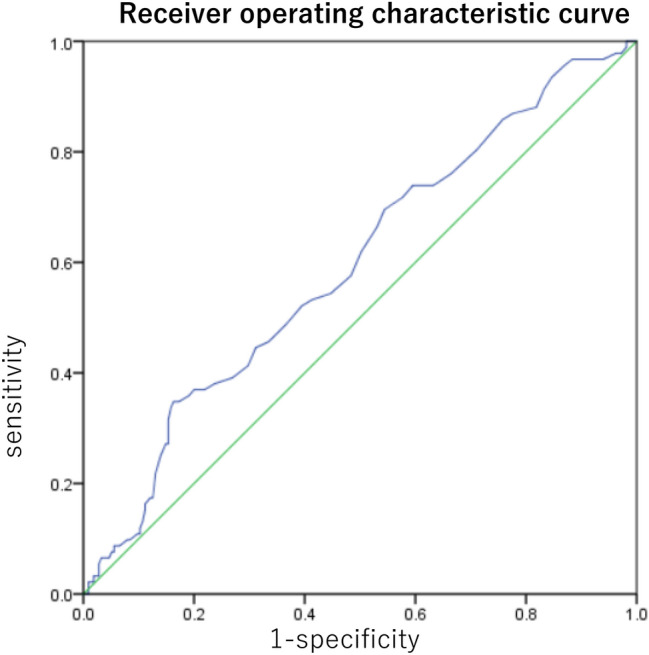
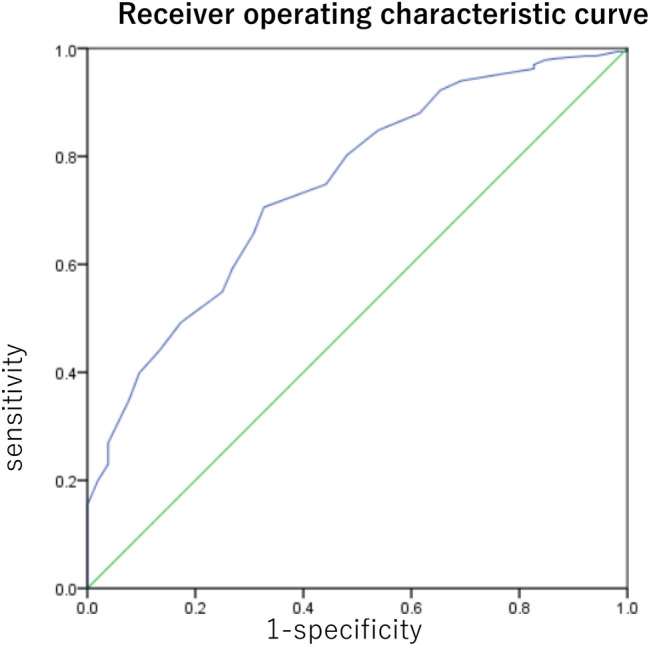
Results: No significant relationship was found between actual waiting time and DTSQ score, although associations were observed with perceived waiting time. The patients who felt the overall waiting time was long scored 23.0, those who felt it was short scored 26.0, and those who felt it was very short scored 34.0, with those who felt the waiting time was long having a significantly lower score (p = 0.004, p < 0.001, respectively) and those who felt it was short having a significantly lower score than those who felt it was very short (p = 0.008). In addition, more patients who felt the waiting time was long expressed dissatisfaction with the responses of doctors and staff than those who felt the waiting time was short.
Conclusions: These results suggest that in addition to reducing actual waiting times, shortening perceived waiting times by improving the responses of medical staff could help to increase patient satisfaction.
Keywords: Actual waiting time; Diabetes; Drop out; Perceived waiting time; Satisfaction.
© The Japan Diabetes Society 2021, corrected publication 2021.
Conflict of interest statement
Conflict of interestShiori Toga-Sato declares no conflicts of interest associated with this manuscript. Takahiro Tosaki received lecture fees from Eli Lilly, Astellas, AstraZeneca, Mitsubishi Tanabe, MSD and Takeda, and research funding from Mitsubishi Tanabe, Daiichi Sankyo and Takeda. Masaki Kondo received research funding from Johnson & Johnson, Daiichi Sankyo, Eli Lilly, Kyowa Hakko Kirin, Taisho Toyama, MSD, Mitsubishi Tanabe, Sanofi, Takeda, Japan Tobacco, Novo Nordisk and Ono. Shin Tsunekawa received research funding from Johnson & Johnson, Daiichi Sankyo, Eli Lilly, Kyowa Hakko Kirin, Taisho Toyama, MSD, Mitsubishi Tanabe, Sanofi, Takeda, Japan Tobacco, Novo Nordisk and Ono. Yoshiro Kato received research funding from Johnson & Johnson, Daiichi Sankyo, Eli Lilly, Kyowa Hakko Kirin, Taisho Toyama, MSD, Mitsubishi Tanabe, Sanofi, Takeda, Japan Tobacco, Novo Nordisk and Ono. Jiro Nakamura received lecture fees from Kyowa Hakko Kirin, Ono, Pfizer, Eli Lilly, Novartis, Sanofi, MSD, Taisho Toyama, Mitsubishi Tanabe, Astellas and Shionogi, and research funding from Johnson & Johnson, Daiichi Sankyo, Eli Lilly, Kyowa Hakko Kirin, Taisho Toyama, MSD, Mitsubishi Tanabe, Sanofi, Takeda, Japan Tobacco, Novo Nordisk and Ono. Hideki Kamiya received lecture fees from Eli Lilly, Ono, Novartis, Astellas, MSD, Takeda, AstraZeneca, Boehringer Ingelheim, Sanofi and Novo Nordisk, and research funding from Johnson & Johnson, Daiichi Sankyo, Eli Lilly, Kyowa Hakko Kirin, Taisho Toyama, MSD, Mitsubishi Tanabe, Sanofi, Takeda, Japan Tobacco, Novo Nordisk and Ono.
Figures
References
-
- Health, Labour and Welfare Ministry. Japanese Practice Guidance to improve Patients’ Adherence to Appointments for Diabetes Care. http://human-data.or.jp/wp/wp-content/uploads/2018/07/dm_jushinchudan_gu...; 2014. Accessed on 13 Oct 2020.
-
- Tanaka M, Ito H, Nemoto A, Ikeda N, Omoto T, Shinozaki M, et al. Relationship between the history of intermittent treatment for type 2 diabetes mellitus and the risk of diabetic vascular complications. J Jpn Diab Soc. 2019;58(2):100–108.
-
- Okudaira M, Uchigata Y, Okada T, Iwarmoto Y. Influence of health checkup and previous intermittent treatment on diabetic complications. J Jpn Diab Soc. 2003;46(10):781–785.
-
- Saisho Y, Itoh H. Relationship between treatment satisfaction and intention to drop out in outpatients with type 2 diabetes. J Japan Diab Soc. 2012;55(10):768–773.
-
- Bradley C. The diabetes treatment satisfaction questionnaire: DTSQ. In: Bradley C, editor. Handbook of psychology and diabetes: a guide to psychological measurement in diabetes research and practice. Chur: Harwood Academic Publishers; 1994. pp. 111–132.
LinkOut - more resources
Full Text Sources