


Potential for the Repurposing of Adamantane Antivirals for COVID-19
- PMID: 34152583
- PMCID: PMC8214976
- DOI: 10.1007/s40268-021-00351-6
Potential for the Repurposing of Adamantane Antivirals for COVID-19
Abstract
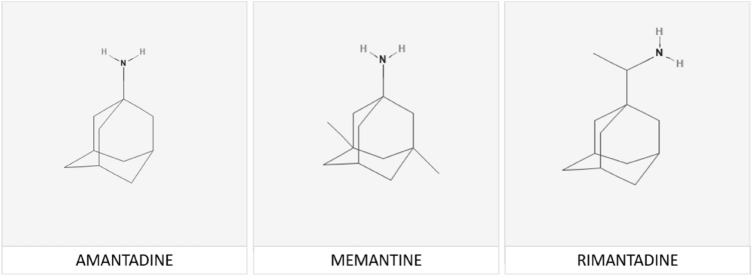
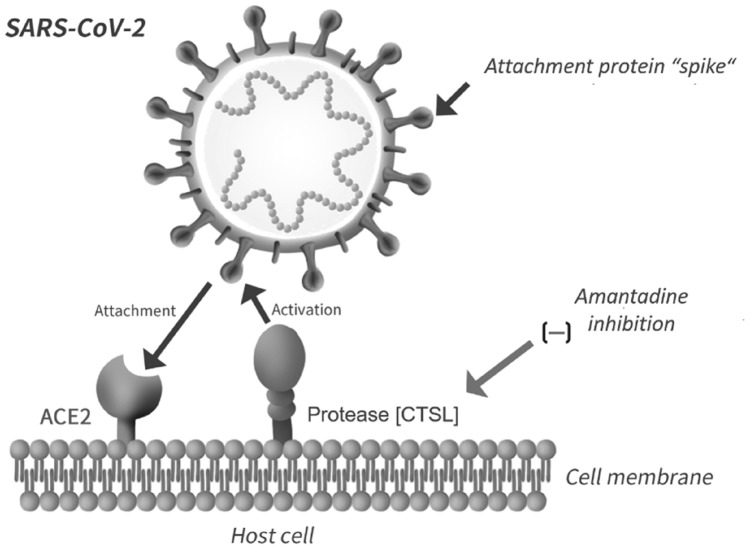
Several adamantanes have established actions against coronaviruses. Amantadine, rimantadine, bananins and the structurally related memantine are effective against human respiratory coronavirus HCoV-OC43, bovine coronavirus and severe acute respiratory syndrome coronavirus 1 (SARS-CoV-1) and a spiroadamantane amine is effective against the coronavirus strain 229E. Molecular docking studies suggest that amantadine may block the viral E protein channel, leading to impaired viral propagation. Additionally, amantadine analogues may inhibit entry of the virus into the host cell by increasing the pH of the endosomes and thus inhibiting the action of host cell proteases such as Cathepsin L. High-throughput drug screen gene expression analysis identified compounds able to down-regulate Cathepsin L expression where the fifth most potent agent of 466 candidates was amantadine. Amantadine inhibits severe acute respiratory syndrome coronavirus 2 replication in vitro but does not inhibit the binding of the spike protein to ACE2. Adamantanes also may act against coronaviruses including severe acute respiratory syndrome coronavirus 2 (SARS-CoV-2) via antagonism of glutamate (NMDA) and the α-7 subtype of the nicotinic acetylcholine receptor located on bronchial and alveolar epithelial cells. As an NMDA receptor antagonist, memantine has the potential to inhibit entry of SARS-CoV-2 into these cell populations. Amantadine and memantine are widely employed for the treatment of neurodegenerative diseases and a pathophysiologic link between the antiviral and anti-Parkinson actions of amantadine has been entertained. Case reports involving 23 patients with reverse transcription polymerase chain reaction-confirmed coronavirus disease 2019 (COVID-19) and a range of co-morbidities including type 2 diabetes mellitus, Parkinson's disease, multiple sclerosis and severe cognitive impairment reveal significant potential benefits of amantadine and memantine for the prevention and/or treatment of coronavirus disease 2019 and its neurological complications.
© 2021. The Author(s).
Conflict of interest statement
Roger F. Butterworth has received ad hoc payments for consulting and speaker fees from Salix Pharmaceuticals (USA), Umecrine Pharmaceuticals (Sweden) and Merz Pharmaceuticals (Germany).
Figures
References
Publication types
MeSH terms
Substances
LinkOut - more resources
Full Text Sources
Research Materials
Miscellaneous
