The future of "Retro" robotic partial nephrectomy
- PMID: 34159103
- PMCID: PMC8185662
- DOI: 10.21037/tau.2019.12.09
The future of "Retro" robotic partial nephrectomy
Abstract
Partial nephrectomy (PN) is the gold standard treatment for appropriately selected renal masses. Recent surgical advancements and adoption of the robotic technique has led to greater adoption of nephron-sparing surgery. Robotic PN was initially described via the transperitoneal (TP) approach, however, retroperitoneal (RP) access is possible and in some cases more desirable. In the RP approach, the kidney is accessed from its posterior surface and the intraperitoneal space is avoided. The RP approach to PN has the benefit of avoiding intraperitoneal viscera and colonic mobilization in patients with extensive prior abdominal surgery. The technique also eliminates the need for renal unit rotation in patients with posterior tumors and affords access to masses directly posterior to the renal hilum. The RP and TP approach to PN have shown similar oncologic and perioperative outcomes. Several recent studies have reported shorter operative times and lengths of stay (LOS) with comparable warm ischemia times for the RP approach when compared to transperitoneal PN (tPN). Given the indispensable deliverables of this approach in select patients, robotic retroperitoneal PN (rPN) should be in the armamentarium of a versatile urologic kidney surgeon. This review describes the current state of rPN and compares the indications and outcomes of the TP and RP approaches.
Keywords: Retroperitoneoscopic; partial nephrectomy (PN); renal mass; robotic partial nephrectomy; transperitoneal partial nephrectomy.
2021 Translational Andrology and Urology. All rights reserved.
Conflict of interest statement
Conflicts of Interest: All authors have completed the ICMJE uniform disclosure form (available at http://dx.doi.org/10.21037/tau.2019.12.09). The series “Controversies in Minimally Invasive Urologic Oncology” was commissioned by the editorial office without any funding or sponsorship. The authors have no other conflicts of interest to declare.
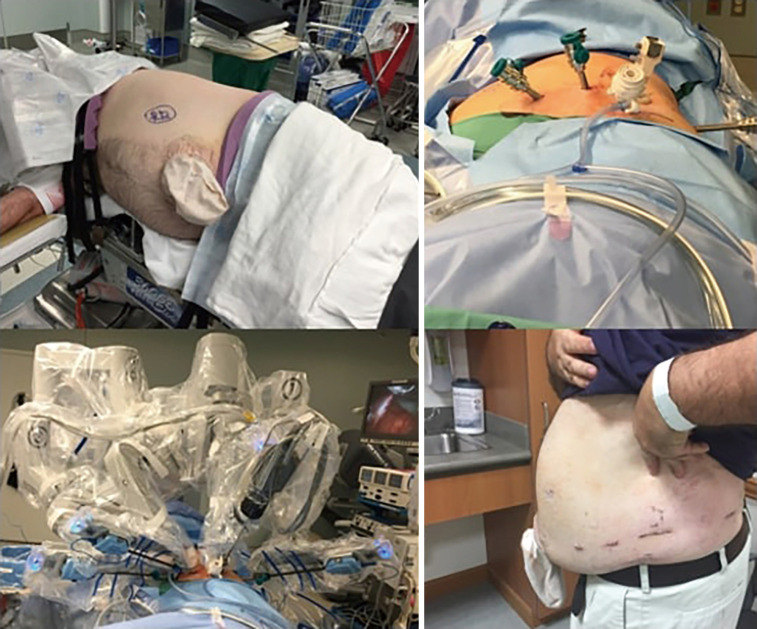
Figures


References
Publication types
LinkOut - more resources
Full Text Sources
Research Materials