


Efficacy and Safety of Esomeprazole for the Treatment of Reflux Symptoms in Patients with Gastroesophageal Reflux Disease: A Systematic Review and Meta-Analysis
- PMID: 34178733
- PMCID: PMC8215048
- DOI: 10.18502/ijph.v49i12.4807
Efficacy and Safety of Esomeprazole for the Treatment of Reflux Symptoms in Patients with Gastroesophageal Reflux Disease: A Systematic Review and Meta-Analysis
Abstract
Background: We investigated the efficacy of esomeprazole for the treatment of gastroesophageal reflux disease (GERD) in a meta-analysis of clinical trials results.
Methods: Medline, Embase, PubMed and Web of Science databases were systematically searched for suitable studies, and double-blind, randomized controlled trials (RCTs) were involved. A meta-analysis of RCTs was performed to analyze the efficacy of esomeprazole on clinical outcomes that associated with the severity of GERD.
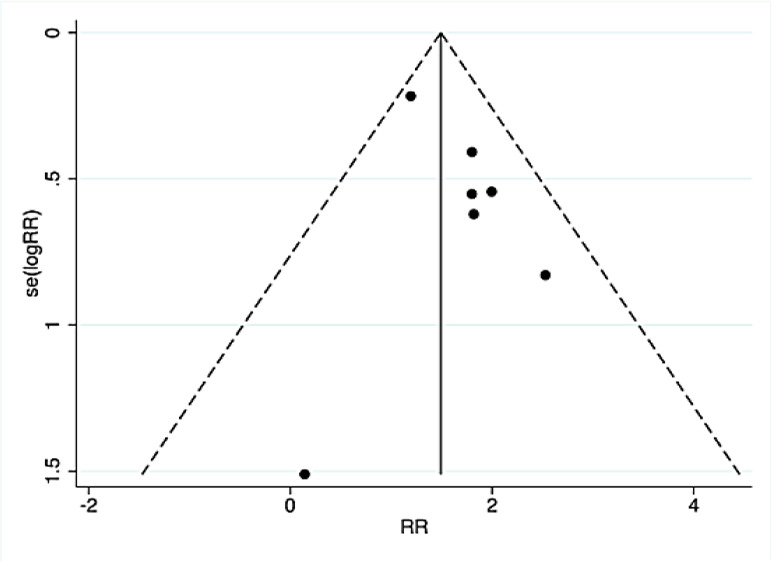
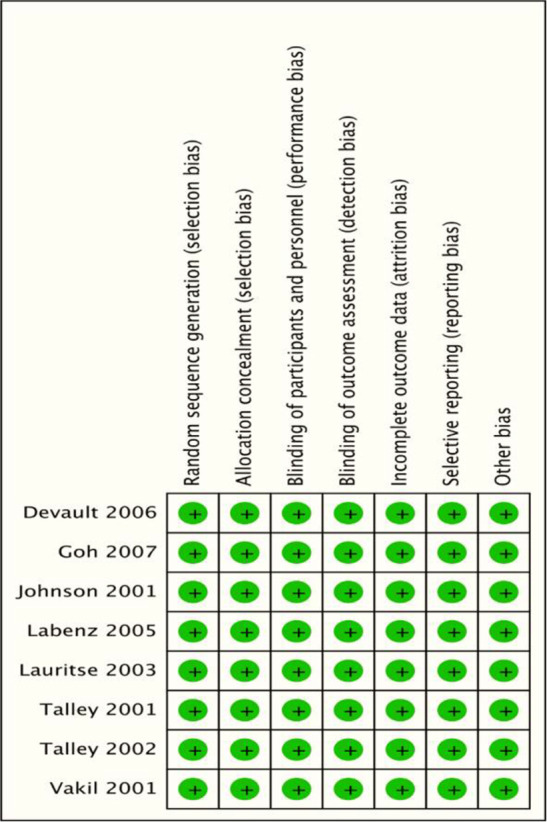
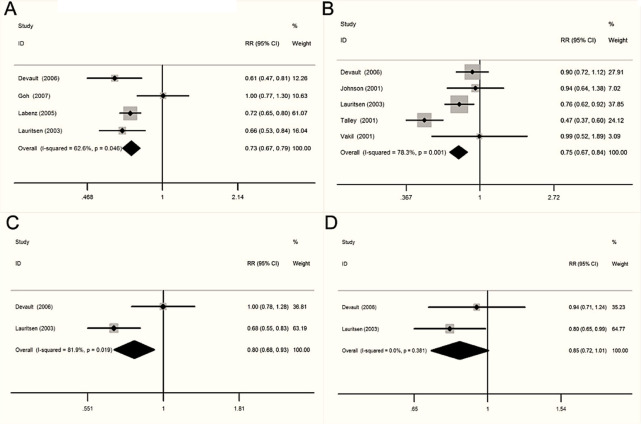
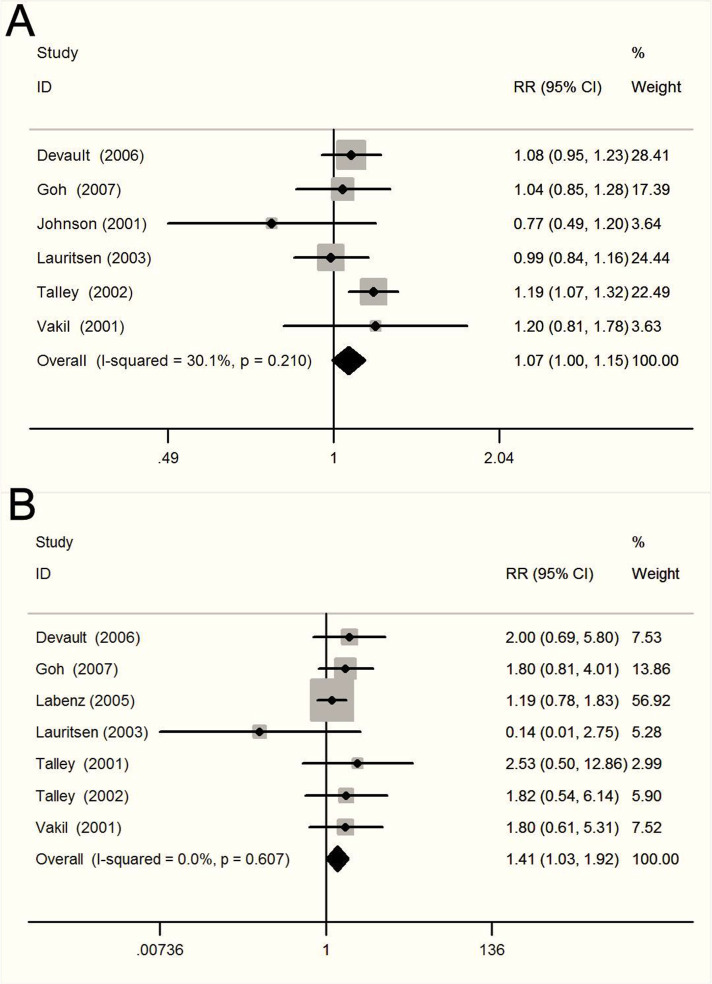
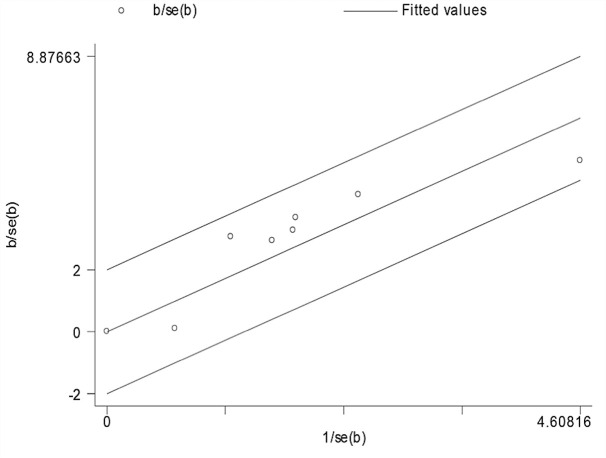
Results: A total of 8 clinical trials were selected in our meta-analysis (N=4495, patients with GERD). Esomeprazole treatment yielded a significant improvement in clinical signs and symptoms of GERD compared to placebo group. Funnel plot and Egger test showed there was no significant bias in the publication. Cochrane collaboration tool and Jadad scale were used to indicate that all 8 RCTs were of high quality. The results of Galbraith radial plot showed that no study was the major source of heterogeneity. Esomeprazole treatment significantly decreased the relapse rates more than that of placebo group (RR = 0.729; 95% CI: 0.670 to 0.794; P<0.001). It seems to be lower rates of heartburn (RR = 0.747; 95%CI: 0.665-0.839; P <0.001) and epigastric pain (RR = 0.795; 95%CI: 0.679-0.932; P =0.005) in esomeprazole-treated group compared with the placebo group. Moreover, serious adverse events was less likely to happen after esomeprazole therapy (RR = 1.406, 95% CI: 1.030-1.918; P =0.032).
Conclusion: Compared with the control group, esomeprazole is a promising therapeutic agent that improves the management of patients with GERD.
Keywords: Clinical efficacy; Esomeprazole; Gastroesophageal reflux disease; Meta-analysis; Safety.
Copyright © 2020 Hou et al. Published by Tehran University of Medical Sciences.
Conflict of interest statement
Conflict of interest The authors declare that there is no conflict of interest.
Figures
References
-
- Kellerman R, Kintanar T. (2017). Gastroesophageal Reflux Disease. Prim Care,44 (4):561–573. - PubMed
-
- Barnhart DC. (2016). Gastroesophageal reflux disease in children. Semin Pediatr Surg, 25(4):212–8. - PubMed
-
- Maqbool A, Ryan MJ. (2018). Gastroesophageal Reflux Disease and Aerodigestive Disorders. Curr Probl Pediatr Adolesc Health Care,48 (3):85–98. - PubMed
-
- Patti MG. (2016). An Evidence-Based Approach to the Treatment of Gastroesophageal Reflux Disease. JAMA Surg,151 (1):73–8. - PubMed
Publication types
LinkOut - more resources
Full Text Sources