


Common Variable Immunodeficiency Disorders, T-Cell Responses to SARS-CoV-2 Vaccines, and the Risk of Chronic COVID-19
- PMID: 34182162
- PMCID: PMC8230758
- DOI: 10.1016/j.jaip.2021.06.019
Common Variable Immunodeficiency Disorders, T-Cell Responses to SARS-CoV-2 Vaccines, and the Risk of Chronic COVID-19
Abstract
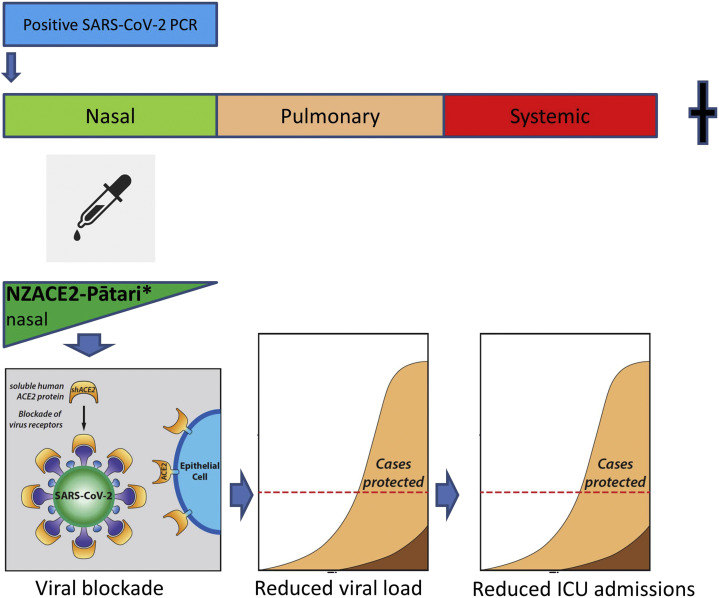
COVID-19 has had a calamitous effect on the global community. Despite intense study, the immunologic response to the infection is only partially understood. In addition to older age and ethnicity, patients with comorbidities including obesity, diabetes, hypertension, coronary artery disease, malignancy, renal, and pulmonary disease may experience severe outcomes. Some patients with primary immunodeficiency (PID) and secondary immunodeficiency also appear to be at increased risk from COVID-19. In addition to vulnerability to SARS-CoV-2, patients with PIDs often have chronic pulmonary disease and may not respond to vaccines, which exacerbates their long-term risk. Patients with common variable immunodeficiency disorders, the most frequent symptomatic PID in adults and children, have a spectrum of B- and T-cell defects. It may be possible to stratify their risk for severe COVID-19 based on age, ethnicity, the severity of the T-cell defect, and the presence of other comorbidities. Patients with common variable immunodeficiency disorders and other immunodeficiencies are at risk for Chronic COVID-19, a dangerous stalemate between a suboptimal immune response and SARS-CoV-2. Intra-host viral evolution could result in the rapid emergence of vaccine-resistant mutants and variants of high consequence; it is a public health emergency. Vaccination and prevention of Chronic COVID-19 in immunodeficient patients is therefore of the utmost priority. Having a reliable diagnostic assay for T-cell immunity to SARS-CoV-2 is critical for evaluating responses to vaccines in these patients. New treatments for SARS-CoV-2 such as NZACE2-Pātari are likely to be particularly beneficial for immunodeficient patients, especially those who fail to mount a robust T-cell response to COVID-19 vaccines.
Keywords: Antibody tests; COVID-19; CVID; CVID-like disorders; SARS-CoV-2; T-cell assays; Vaccination.
Copyright © 2021 American Academy of Allergy, Asthma & Immunology. Published by Elsevier Inc. All rights reserved.
Figures

References
MeSH terms
Substances
LinkOut - more resources
Full Text Sources
Medical
Miscellaneous
