


Impact of respiratory distress syndrome and birth asphyxia exposure on the survival of preterm neonates in East Africa continent: systematic review and meta-analysis
- PMID: 34189307
- PMCID: PMC8215220
- DOI: 10.1016/j.heliyon.2021.e07256
Impact of respiratory distress syndrome and birth asphyxia exposure on the survival of preterm neonates in East Africa continent: systematic review and meta-analysis
Retraction in
-
Retraction notice to "Impact of respiratory distress syndrome and birth asphyxia exposure on the survival of preterm neonates in East Africa continent: Systematic review and meta-analysis" [Heliyon 7 (2021) e07256].Heliyon. 2025 Feb 4;11(3):e42354. doi: 10.1016/j.heliyon.2025.e42354. eCollection 2025 Feb 15. Heliyon. 2025. PMID: 40196787 Free PMC article.
Abstract
Introduction: Several kinds of researches are available on preterm mortality in the East Africa continent; however, it is inconsistent and inconclusive, which requires the pooled evidence to recognize the burden in general.
Purpose: To collect and synthesis evidence on preterm mortality and identify factors in the East Africa continent.
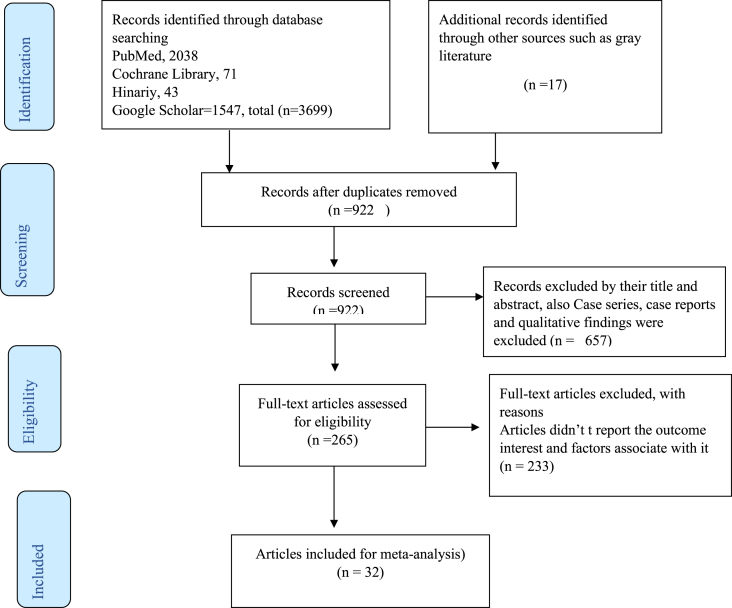
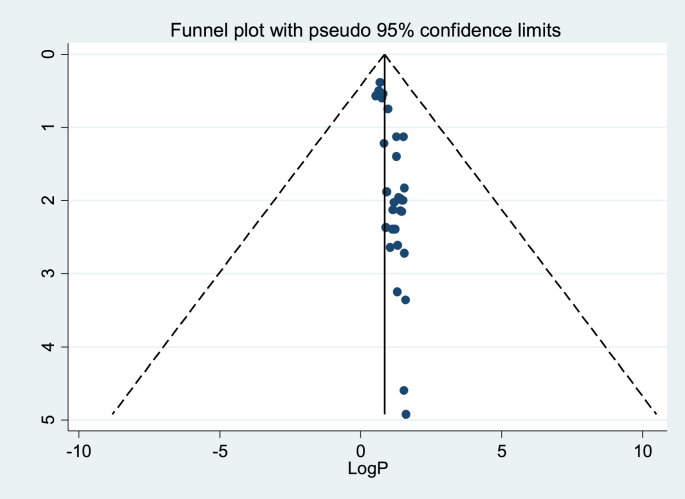
Methods: PubMed, Google Scholar, Hinary, Cochrane library, research gate, and institutional repositories were retrieved to identity eligible articles through Preferred Reporting Items for Systematic Review and Meta-Analysis (PRISMA) guidelines. The articles were selected if the publication period is between 2010-2021 G.C. Data were extracted by a standardized JBI data extraction format for mortality rate and stratified the associated factors. Then exported to STATA 14 for further analysis. I2 and Egger's tests were employed to estimate the heterogeneity and publication bias respectively. Subgroup analysis based on country, study design, year of publication, and the sample size was also examined.
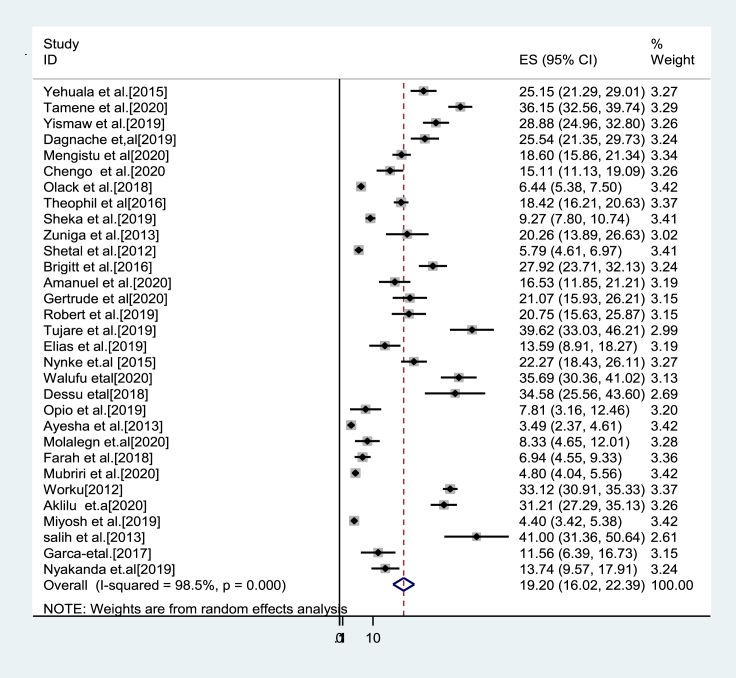
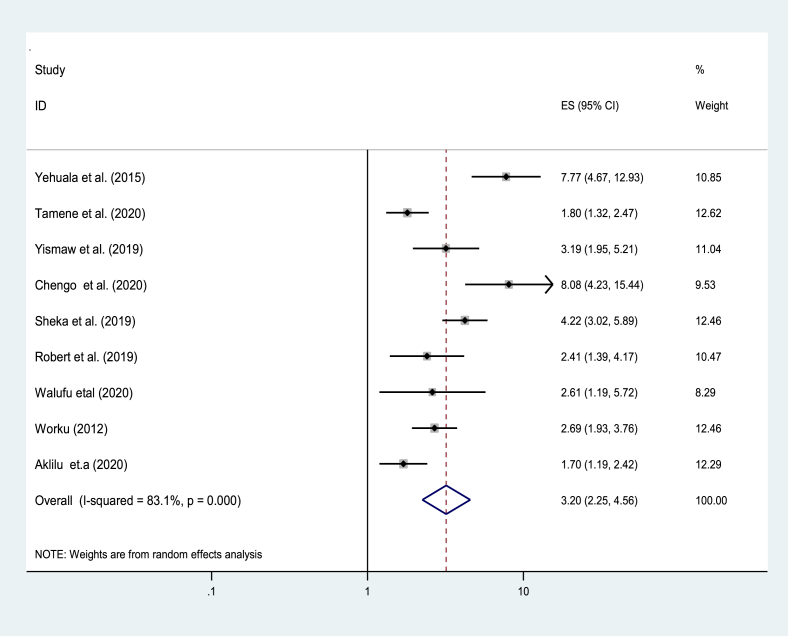
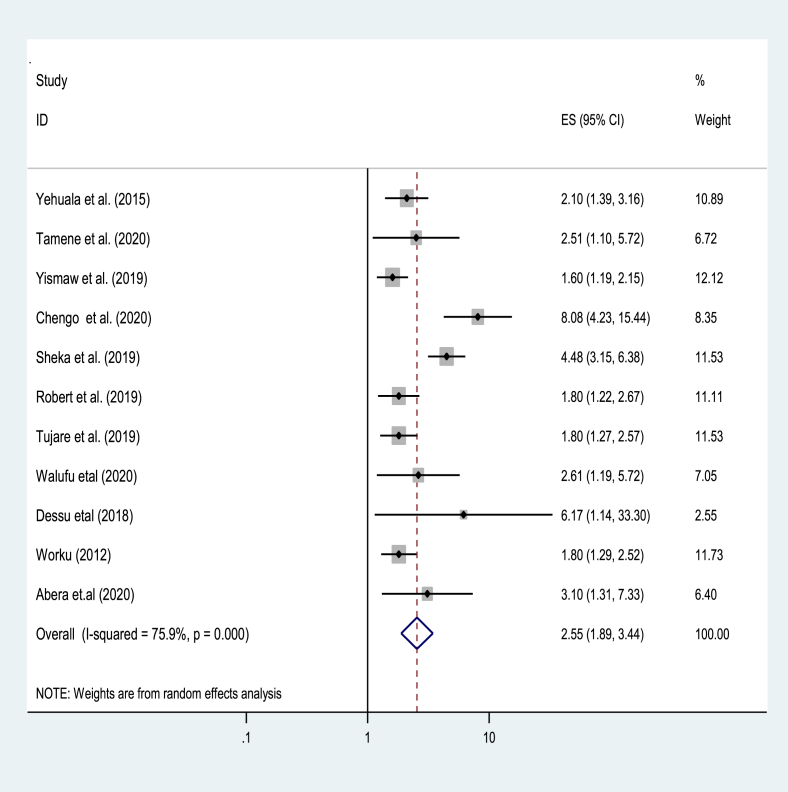
Result: This meta-analysis included 32 articles with a total of 21,405 study participants. The pooled mortality rate among preterm in the East Africa continent was found to be 19.2% (95% CI (confidence interval (16.0-22.4)). Regarding the study design, the mortality rate was found to be 18.1%, 19.4%, and 19.7% concerning the prospective cohort, retrospective cohort, and cross-sectional studies. The pooled odds of mortality among preterm with respiratory distress syndrome decreased survival by nearly three folds [AOR (Adjusted odds ratio = 3.2; 95% CI: 22, 4.6)] as compared to their counterparts. Similarly, preterm neonates presented with birth asphyxia were nearly three times higher in death as compared with preterm without birth asphyxia [AOR = 2.6; 95% CI: 1.9, 3.4].
Conclusion: Preterm mortality was found to be unacceptably high in Eastern Africa continent.Fortunately, the main causes of death were found to be respiratory distress syndrome and birth asphyxia which are preventable and treatable hence early detection and timely management of this problem are highly recommended to improve preterm survival.
Keywords: Asphyxia; East Africa; Impact; Meta-analysis; Preterm; Respiratory distress syndrome; Systematic review.
© 2021 The Author(s).
Conflict of interest statement
The authors declare no conflict of interest.
Figures
References
-
- What Is a Preterm Baby [Internet] 2020. https://www.who.int/news-room/q-a-detail/what-is-a-preterm-baby [cited 2020 Oct 16]. Available from:
-
- Neonatal Mortality [Internet] UNICEF DATA; 2020. https://data.unicef.org/topic/child-survival/neonatal-mortality/ [cited 2020 Oct 16]. Available from:
-
- WHO . WHO. World Health Organization; 2020. Neonatal Mortality [Internet]http://www.who.int/gho/child_health/mortality/neonatal_text/en/ [cited 2020 Oct 16]. Available from:
Publication types
LinkOut - more resources
Full Text Sources
