. 2021 Jun 29;35(13):109331.
doi: 10.1016/j.celrep.2021.109331.

FGF21 promotes thermogenic gene expression as an autocrine factor in adipocytes

Affiliations

FGF21 promotes thermogenic gene expression as an autocrine factor in adipocytes

Mohammad Abu-Odeh et al. Cell Rep. .

Abstract

The contribution of adipose-derived FGF21 to energy homeostasis is unclear. Here we show that browning of inguinal white adipose tissue (iWAT) by β-adrenergic agonists requires autocrine FGF21 signaling. Adipose-specific deletion of the FGF21 co-receptor β-Klotho renders mice unresponsive to β-adrenergic stimulation. In contrast, mice with liver-specific ablation of FGF21, which eliminates circulating FGF21, remain sensitive to β-adrenergic browning of iWAT. Concordantly, transgenic overexpression of FGF21 in adipocytes promotes browning in a β-Klotho-dependent manner without increasing circulating FGF21. Mechanistically, we show that β-adrenergic stimulation of thermogenic gene expression requires FGF21 in adipocytes to promote phosphorylation of phospholipase C-γ and mobilization of intracellular calcium. Moreover, we find that the β-adrenergic-dependent increase in circulating FGF21 occurs through an indirect mechanism in which fatty acids released by adipocyte lipolysis subsequently activate hepatic PPARα to increase FGF21 expression. These studies identify FGF21 as a cell-autonomous autocrine regulator of adipose tissue function.

Keywords: Beiging; Browning; FGF21; adipose; adrenergic; autocrine; beige; thermogenic.


Conflict of interest statement

Declaration of interests A.R.S. is a founder of Elgia Therapeutics. The other authors declare no competing interests.

Figures
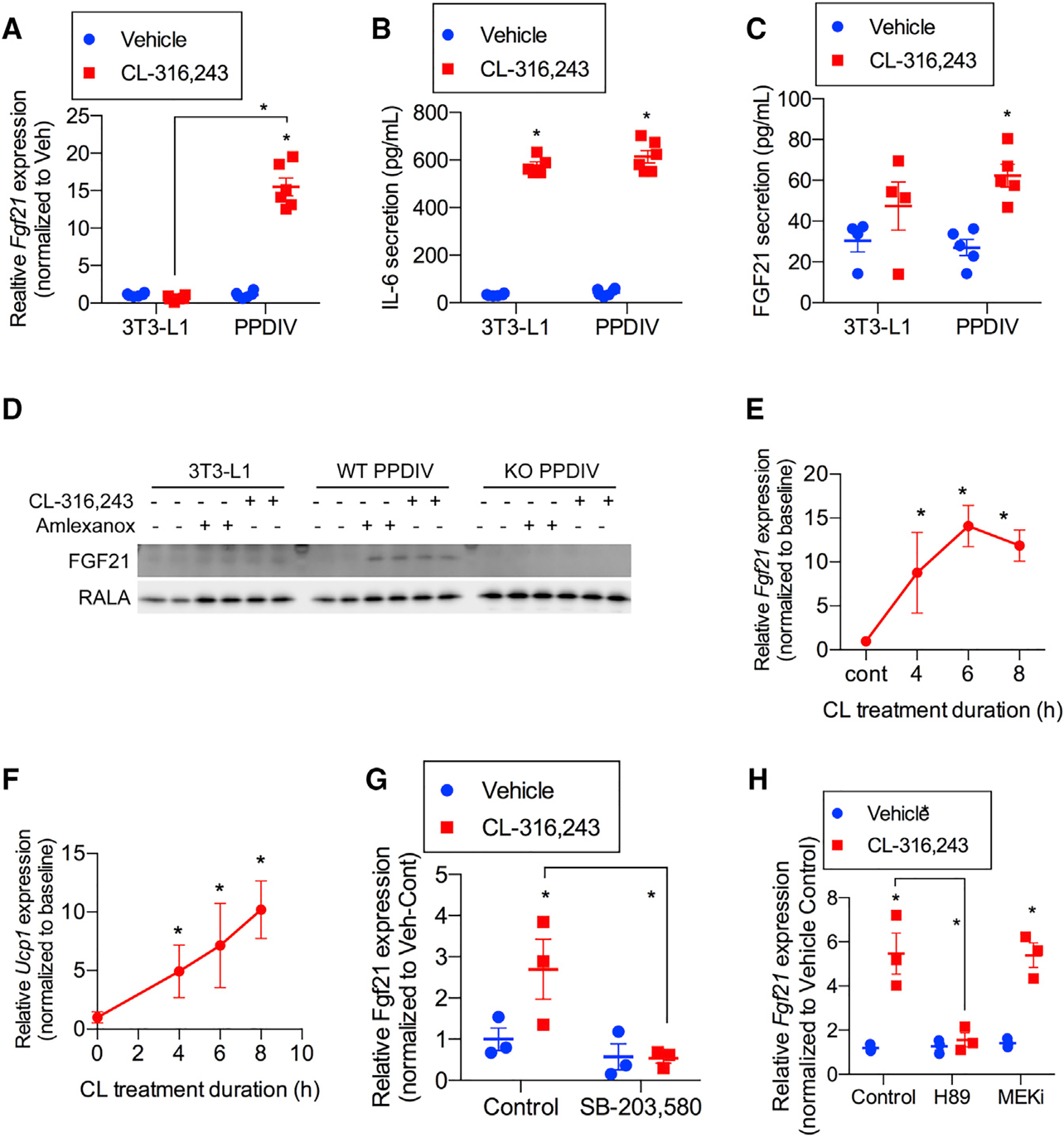
Figure 1.
Figure 1.. Fgf21 mRNA expression and secretion are induced in PPDIVs following CL-316,243
(A) Fgf21 mRNA expression in 3T3-L1 adipocyte and PPDIVS following 10 μM CL-316,243 treatment for 6 h. n = 4–6 wells per cell type per treatment. (B and C) IL-6 (B) and FGF21 (C) secretion following treatment with CL-316,243 as in (A). n = 4–6 wells per cell type per treatment. (D) Western blot analysis of FGF21 protein levels in 3T3-L1, PPDIVs isolated from WT mice, and PPDIVs isolated from whole-body FGF21-KO. n = 2 wells per genotype/cell type per treatment. (E and F) Fgf21 (E) and Ucp1 (F) mRNA time course expression in WT PPDIVs following 10 μM CL-316,243 treatment. n = 3 wells per time point. (G and H) Fgf21 mRNA expression in cells pretreated with 10 μM SB-303,580 (p38 inhibitor) (n = 3 wells per treatment) (G) and 50 μM H89 (PKA inhibitor) or 10 μM MEK inhibitor (PD0325901) (H) for 30 min before 10 μM CL-316,243. n = 3 wells per genotype per treatment. Data presented as mean ± SEM. (A–C, G, and H) *p < 0.05 from Holm-Sidak post hoc analysis after significant two-way ANOVA for vehicle versus CL-316,243 unless otherwise indicated with a line. (E and F) *p < 0.01 from t test versus baseline.
Figure 2.
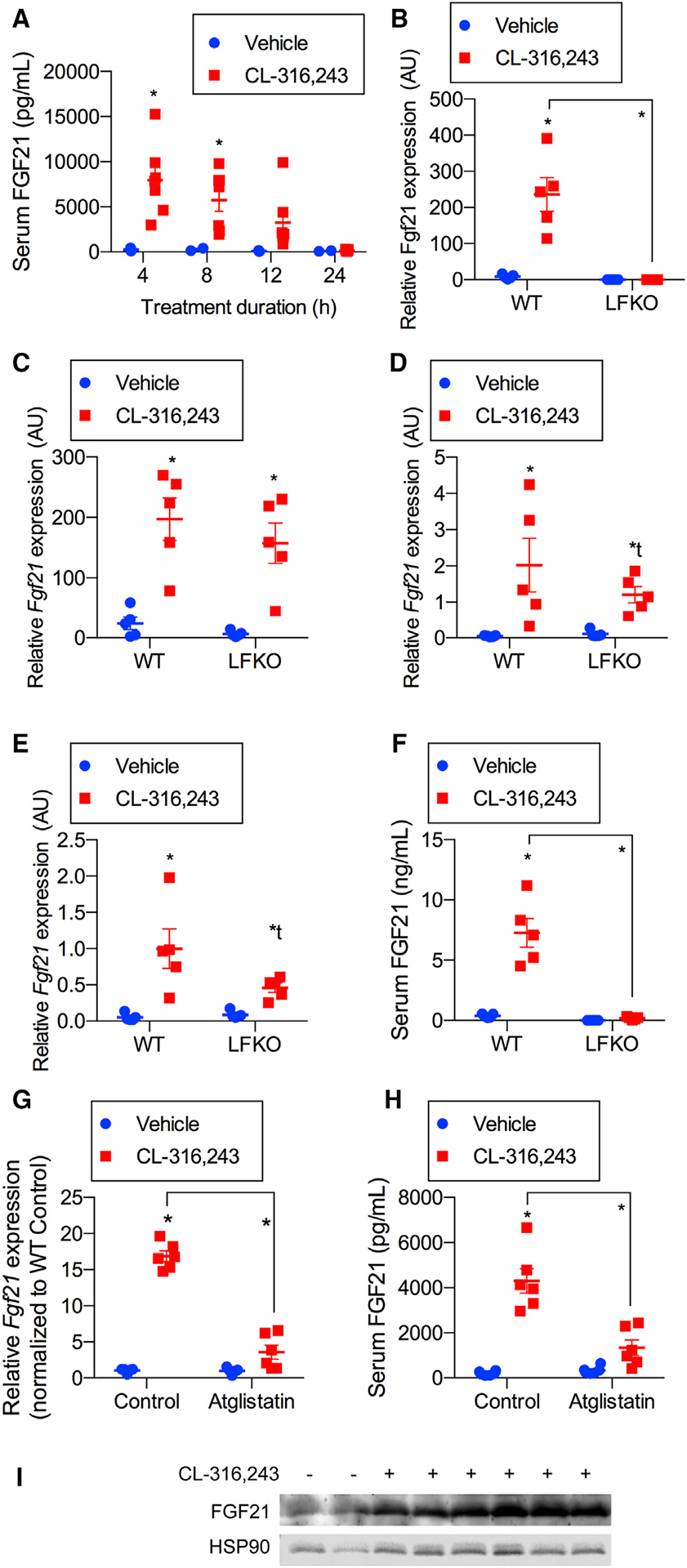
Figure 2.. Circulating FGF21 is derived exclusively from the liver in mice treated with adrenergic agonists because of stimulation of adipocyte lipolysis
(A) Serum FGF21 time course following intraperitoneal injection of 1 mg/kg CL-316,243 or vehicle (0, 4 h, 8 h, 12 h, and 24 h). n = 6 CL-316,243 (CL) and 3 vehicle-treated animals per time point. (B–E) WT-mice and LFKO (liver-specific Fgf21 KO) mice treated with 1 mg/kg CL or vehicle treatment. n = 5 mice per genotype per treatment. Fgf21 mRNA expression after 4-h treatment in (B) the liver, (C) brown adipose tissue (BAT),(D) inguinal WAT (iWAT), and (E) epididymal WAT (eWAT). (F) Serum FGF21 4 h after treatment. (G and H) Liver Fgf21 mRNA expression (G) and serum FGF21 (H) from ageand weight-matched mice pretreated with 50 μM atglistatin for 30 min, followed by 1 mg/kg CL treatment for 4 h. n = 6 animals per treatment group. (I) Western blot analysis of FGF21 protein from protein lysates isolated from iWAT after treating the mice as in (A) for 4 h. n = 2 vehicle-treated and 6 CL-treated mice. Data presented as mean ± SEM. *p < 0.05 from Holm-Sidak post hoc analysis after significant two-way ANOVA for vehicle versus treated group unless otherwise indicated with a line.
Figure 3.
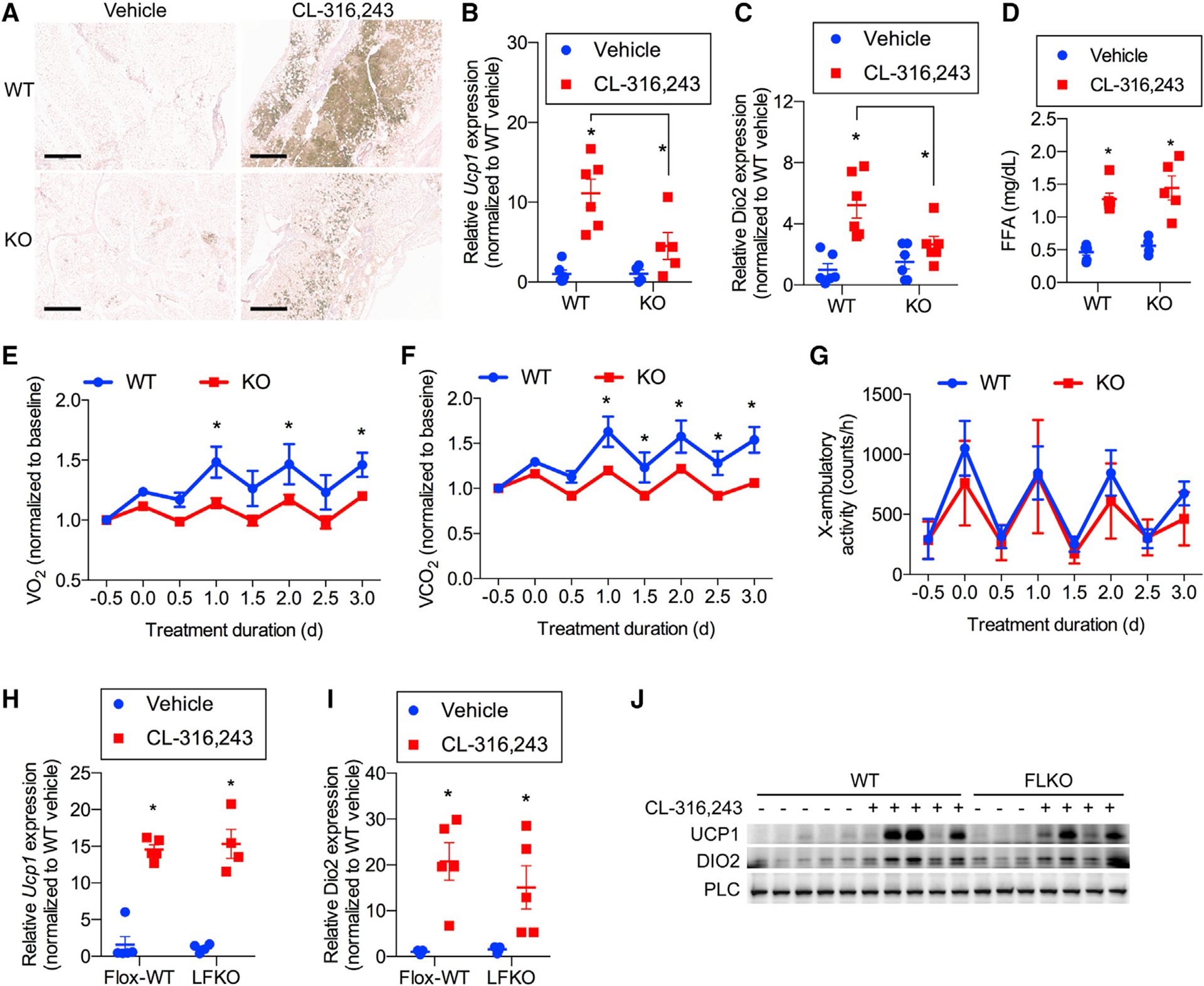
Figure 3.. The metabolic benefit of FGF21 is due to its action as an autocrine factor in iWAT
(A–C) WT and whole-body FGF21-KO mice treated with 1 mg/kg CL or vehicle daily for 7 days. n = 6 mice per genotype per treatment. (A) Representative immunohistochemistry (IHC) staining of UCP1 in iWAT. Scale bar, 0.5 mM. (B and C) Ucp1 (B) and Dio2 (C) mRNA expression in iWAT. (D) Serum free fatty acid (FFA) concentrations 20 min after treatment with 1 mg/kg CL or vehicle in WT and FGF21-KO mice. n = 6 mice per genotype per treatment. (E–G) Baseline normalized oxygen consumption (E), baseline normalized carbon dioxide production (F), and physical activity (G) as assayed by x axis beam breaks in WT and whole body FGF21-KO mice treated with 1 mg/kg CL daily. n = 6 WT and 7 KO mice. (H and I) Ucp1 (H) and Dio2 (I) mRNA expression of WT mice and LFKO mice treated with 1 mg/kg CL or vehicle daily for 7 days. n = 5 mice per genotype per treatment. (J) Western blot analysis of FGF21 protein in iWAT following 7-day treatment with 1 mg/kg CL or vehicle in WT and LFKO mice. n = 5 WT mice per treatment group and 3 vehicle-treated and 4 CL-treated FLKO mice. Data presented as mean ± SEM.*p < 0.05 from Holm-Sidak post hoc analysis after significant two-way ANOVA for vehicle versus CL unless otherwise indicated with a line.
Figure 4.
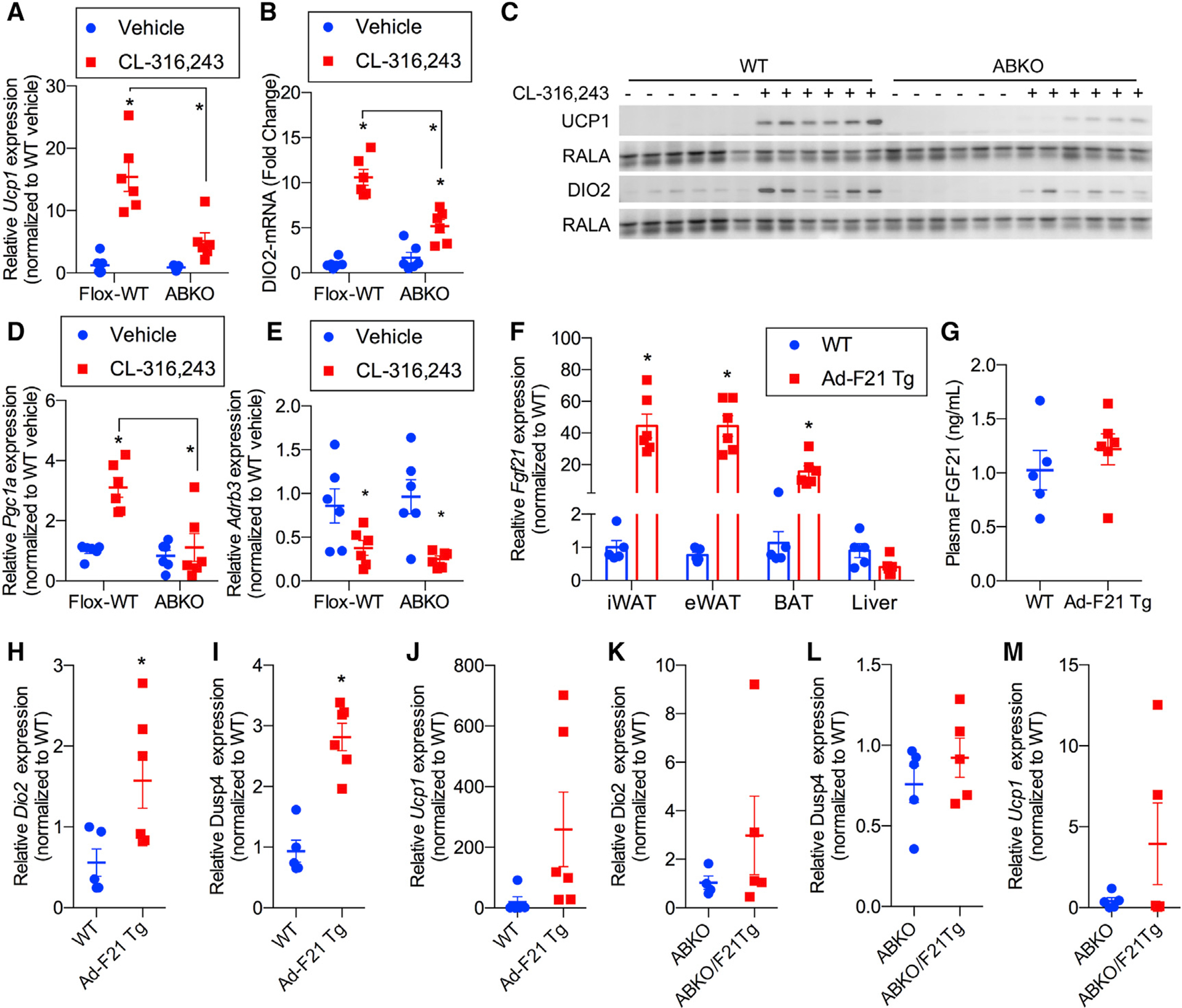
Figure 4.. FGF21 operates in an autocrine fashion by binding to its receptor in adipocytes
(A and B) Ucp1 (A) and Dio2 (B) mRNA expression in iWAT from WT (flox-WT) and ABKO mice treated with 1 mg/kg CL or vehicle daily for 7 days. n = 6 mice per genotype per treatment. (C) Western blot analysis of UCP1, anti DIO2, and RalA (as a loading control) protein levels in iWAT from mice in (A). n = 6 mice per genotype per treatment. (D and E) Pgc1a (D) and Adrb3 (E) mRNA expression in iWAT isolated from WT and ABKO mice treated with 1 mg/kg CL or vehicle daily for 7 days. n = 6 mice per genotype per treatment. (F–J) Ad-F21 Tg and littermate WT controls. n = 5–6 mice per genotype. (F) Fgf21 mRNA expression in adipose tissues and liver. (G) Plasma FGF21 protein levels measured by ELISA. (H–J) Dio2 (H), Dusp4 (I), and Ucp1 (J) mRNA expression in iWAT. (K–M) Dio2, Dusp4, and Ucp1 mRNA expression in iWAT isolated from ABKO and ABKO/F21 Tg mice. n = 5–6 mice per genotype. Data presented as mean ± SEM.*p < 0.05 from Holm-Sidak post hoc analysis after significant two-way ANOVA for vehicle versus CL unless otherwise indicated with a line.
Figure 5.
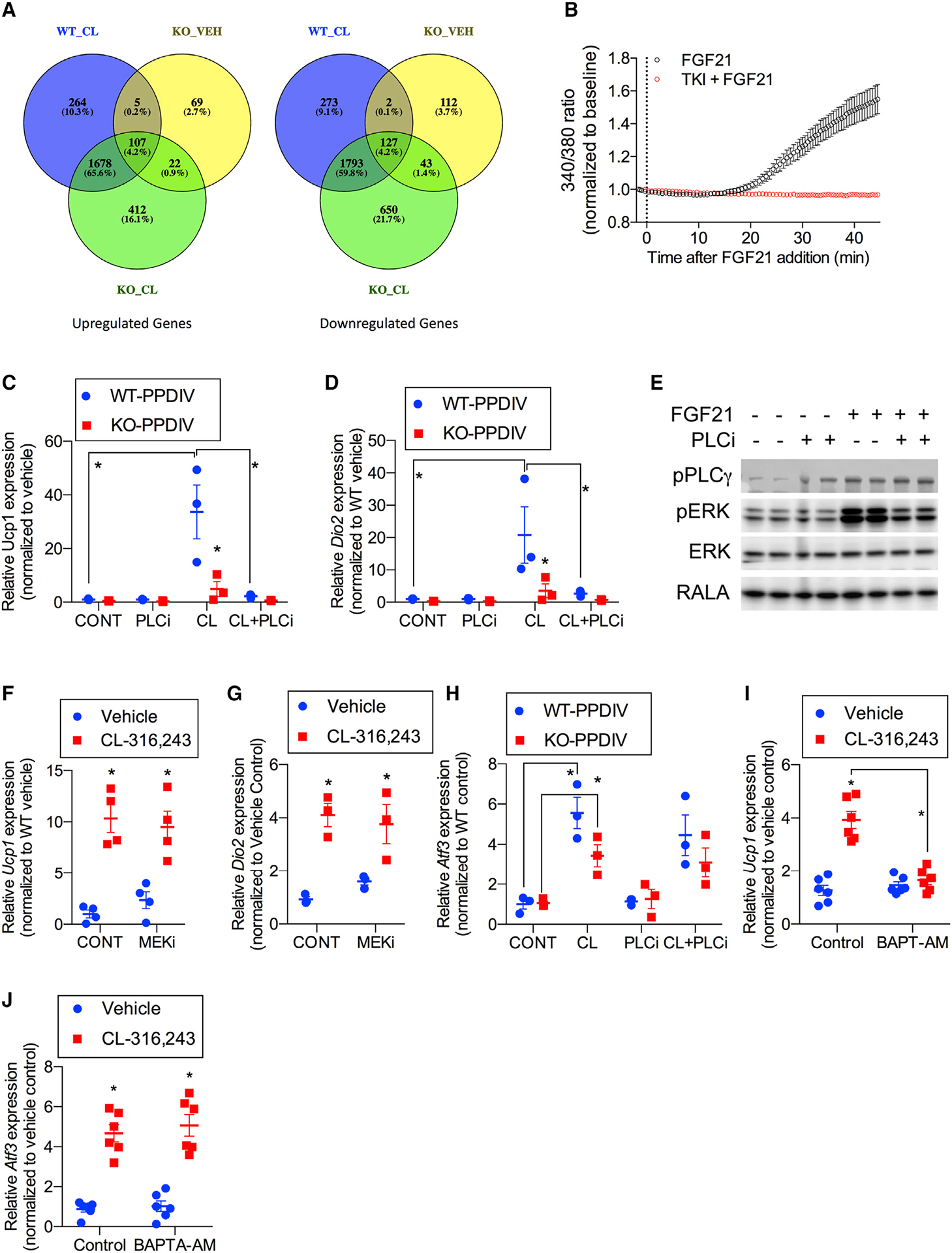
Figure 5.. FGF21 provides a second signal that is required for browning of WAT
Genes involved in calcium signaling are upregulated by CL in a FGF21-dependent manner. (A) Venn diagrams of differentially expressed genes from RNA-seq analysis of WT and FGF21-KO PPDIVs treated with vehicle or CL (Data S1). n = 3 wells per treatment per genotype. (B) Effect of FGF21 on calcium mobilization in the absence or presence of 200 nM tyrosine kinase inhibitor (PD173074). PPDIVs were serum starved for 15 h and loaded with fura-2 AM for 15 min in the absence (black trace, n = 63 cells) or presence (red trace, n = 23 cells) of PD173074 before stimulation with FGF21 (200 ng/mL). Curves are pooled from 4 and 2 experiments, respectively. Values are mean ± SEM. (C and D) Ucp1 (C) and Dio2 (D) mRNA expression in PPDIVs isolated from FGF21-WT mice or FGF21-KO mice; cells were pretreated with 1 μM of PLC inhibitor (U73122) for 30 min, followed by 10 μM CL treatment for 6 h. n = 3 wells per genotype per treatment. (E) Western blot analysis of PPDIVs pretreated with 1 μM PLC inhibitor (U73122) for 30 min, followed by 100 ng/mL recombinant FGF21 for 10 min. n = 2 wells per treatment. The membrane was blotted against antibodies as indicated. (F and G) Ucp1 (F) and Dio2 (G) expression in PPDIVs pretreated with 10 μM MEK inhibitorPD0325901 (MEKi) for 30 min, followed by 10 μM CL treatment for 6 h. n = 3–4 wells per cell type per treatment. (H) Atf3 mRNA expression in PPDIVs isolated from FGF21-WT mice or FGF21-KO mice pretreated with 1 μM of PLC inhibitor (U73122) for 30 min, followed by 10 μM CL treatment for 6 h. (I and J) Ucp1 (I) and Atf3 (J) mRNA expression in PPDIVs isolated from WT mice. Following differentiation, the cells were pretreated with 10 μM BAPTA-AM for 30 min, followed by 10 μM CL treatment for 6 h. n = 6 wells per cell type per treatment. Data presented as mean ± SEM.*p < 0.05 from Holm-Sidak post hoc analysis after significant two-way ANOVA for vehicle versus CL unless otherwise indicated with a line.

Comment in

References

    1. Ameka M, Markan KR, Morgan DA, BonDurant LD, Idiga SO, Naber MC, Zhu Z, Zingman LV, Grobe JL, Rahmouni K, and Potthoff MJ (2019). Liver Derived FGF21 Maintains Core Body Temperature During Acute Cold Exposure. Sci. Rep 9, 630. - PMC - PubMed
    1. Badman MK, Pissios P, Kennedy AR, Koukos G, Flier JS, and Maratos-Flier E (2007). Hepatic fibroblast growth factor 21 is regulated by PPAR-alpha and is a key mediator of hepatic lipid metabolism in ketotic states. Cell Metab. 5, 426–437. - PubMed
    1. Badman MK, Koester A, Flier JS, Kharitonenkov A, and Maratos-Flier E (2009). Fibroblast growth factor 21-deficient mice demonstrate impaired adaptation to ketosis. Endocrinology 150, 4931–4940. - PMC - PubMed
    1. Beenken A, and Mohammadi M (2009). The FGF family: biology, pathophysiology and therapy. Nat. Rev. Drug Discov 8, 235–253. - PMC - PubMed
    1. BonDurant LD, and Potthoff MJ (2018). Fibroblast Growth Factor 21: A Versatile Regulator of Metabolic Homeostasis. Annu. Rev. Nutr 38, 173–196. - PMC - PubMed

Publication types

MeSH terms

Substances