


Influence of ER-CR-YSGG Laser and Photodynamic Therapy on the Dentin Bond Integrity of Nano-Hydroxyapatite Containing Resin Dentin Adhesive: SEM-EDX, Micro-Raman, Micro-Tensile, and FTIR Evaluation
- PMID: 34201060
- PMCID: PMC8228082
- DOI: 10.3390/polym13121903
Influence of ER-CR-YSGG Laser and Photodynamic Therapy on the Dentin Bond Integrity of Nano-Hydroxyapatite Containing Resin Dentin Adhesive: SEM-EDX, Micro-Raman, Micro-Tensile, and FTIR Evaluation
Abstract
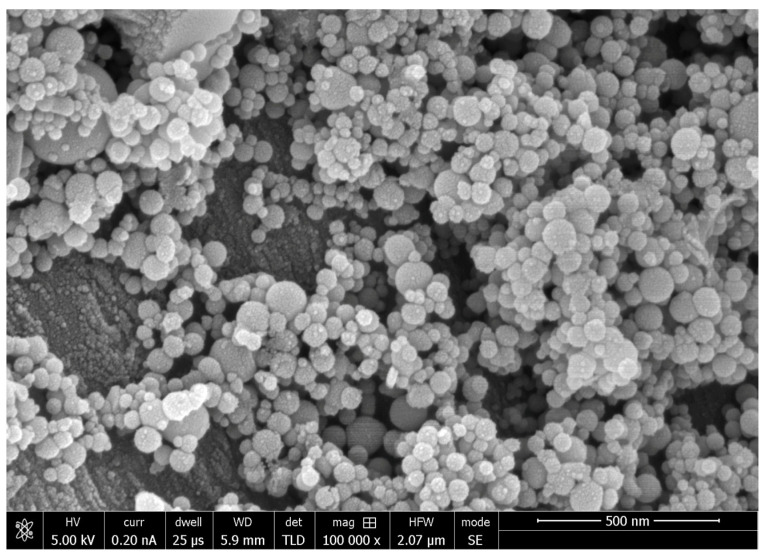
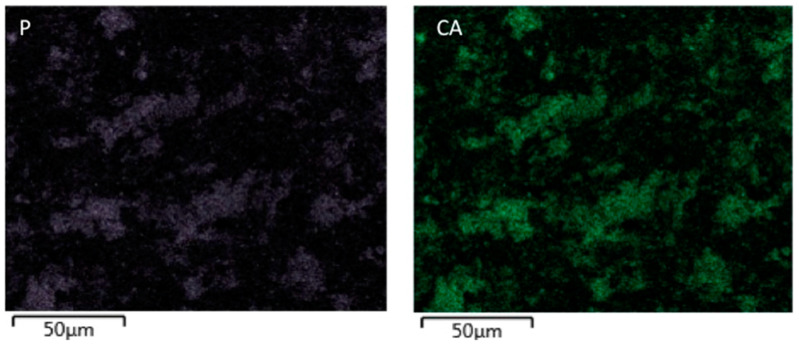
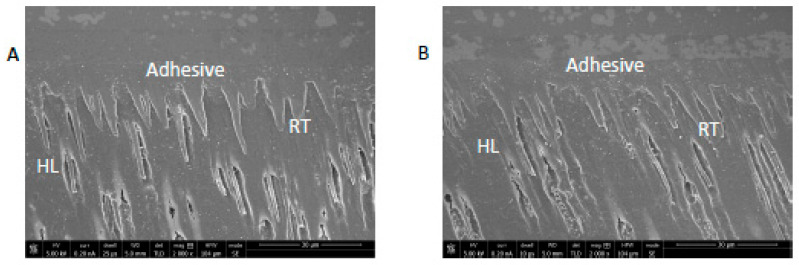
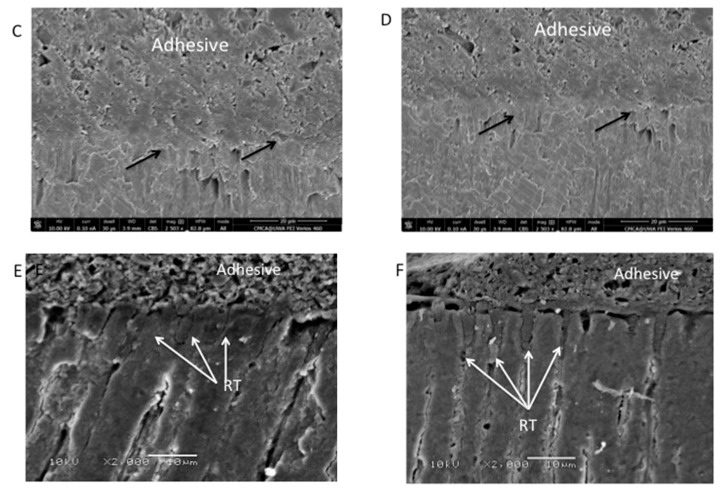
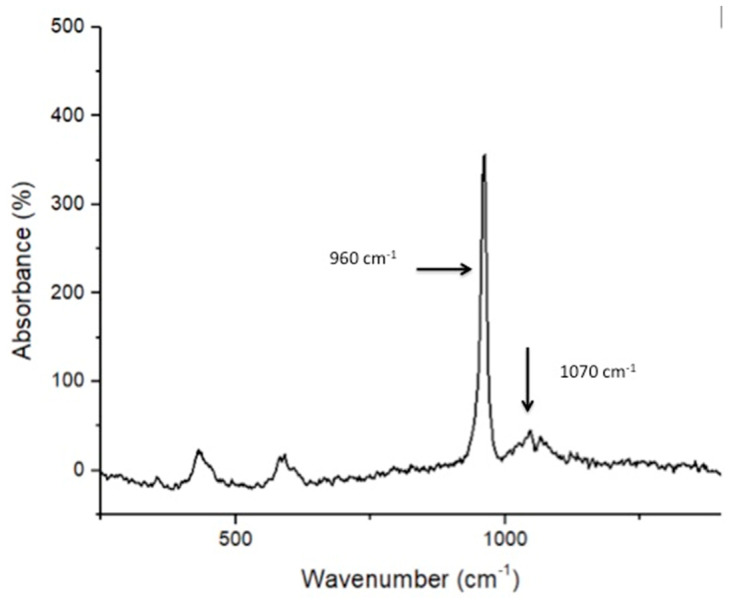
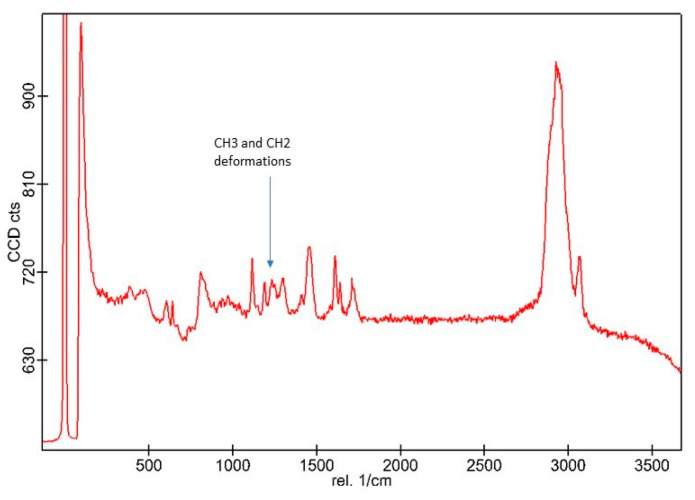
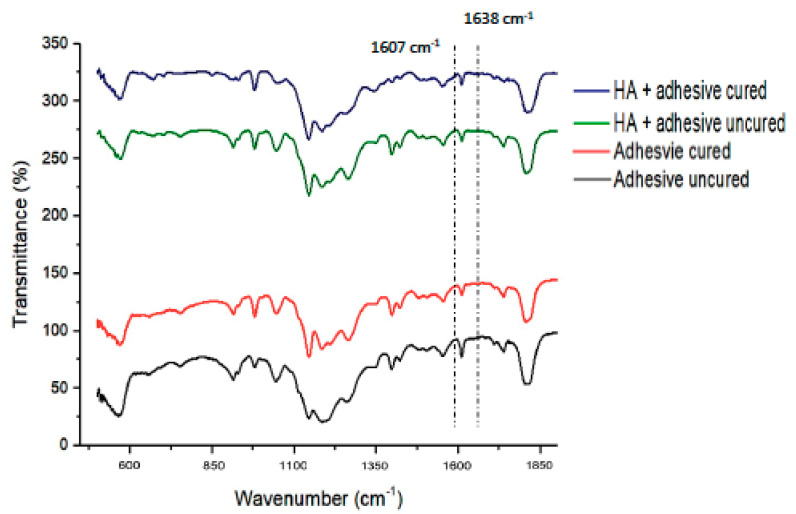
The study aimed to analyze the effect of the addition of nano-hydroxyapatite (nano-HA) particles on the mechanical properties of experimental adhesive (EA). Furthermore, dentin interaction of EA (without nano-HA) and EA with nano-HA (hereon referred to as HA-10%) were also investigated and equated. Methods consisting of scanning electron microscopy (SEM)-energy-dispersive X-ray spectroscopy (EDX), micro-Raman spectroscopy, micro-tensile bond strength (µTBS) test, and Fourier transform infrared (FTIR) spectroscopy were employed to study nano-HA particles shape, dentin bond strength, degree of conversion (DC), and adhesive-dentin interaction. Ninety teeth (N = 90) were collected, and pre-bonding, conditioning of dentin was performed utilizing phosphoric acid (H3PO4) etching, photodynamic therapy (PDT), and ER-CR-YSGG (ECY) laser. The teeth were set to form bonded specimens using two adhesives. Nano-HA particles were spherical-shaped, and EDX confirmed the presence of oxygen, calcium, and phosphorus. Micro-Raman spectroscopy revealed distinct phosphate and carbonate peaks for nano-HA. The µTBS test demonstrated highest values for HA-10% group on the H3PO4 conditioned dentin. The greatest DC was observed for the EA group. The addition of nano-HA-10 wt.% particles in dentin adhesive resulted in improved bond strength. The incorporation also demonstrated acceptable DC (although lower than EA group), suitable dentin interaction, and resin tag formation.
Keywords: H3PO4; adhesive; hydroxyapatite; laser; photodynamic therapy.
Conflict of interest statement
The authors declare no conflict of interest.
Figures
References
-
- Tsujimoto A., Barkmeier W.W., Fischer N.G., Nojiri K., Nagura Y., Takamizawa T., Latta M.A., Miazaki M. Wear of resin composites: Current insights into underlying mechanisms, evaluation methods and influential factors. Jpn. Dent. Sci. Rev. 2018;54:76–87. doi: 10.1016/j.jdsr.2017.11.002. - DOI - PMC - PubMed
-
- Bourbia M., Finer Y. Biochemical stability and interactions of dental resin composites and adhesives with host and bacteria in the oral cavity: A review. J. Can. Dent. Assoc. 2018;84:i1. - PubMed
LinkOut - more resources
Full Text Sources
