


Characterizing Breakthrough Cancer Pain Using Ecological Momentary Assessment with a Smartphone App: Feasibility and Clinical Findings
- PMID: 34204871
- PMCID: PMC8199778
- DOI: 10.3390/ijerph18115991
Characterizing Breakthrough Cancer Pain Using Ecological Momentary Assessment with a Smartphone App: Feasibility and Clinical Findings
Abstract
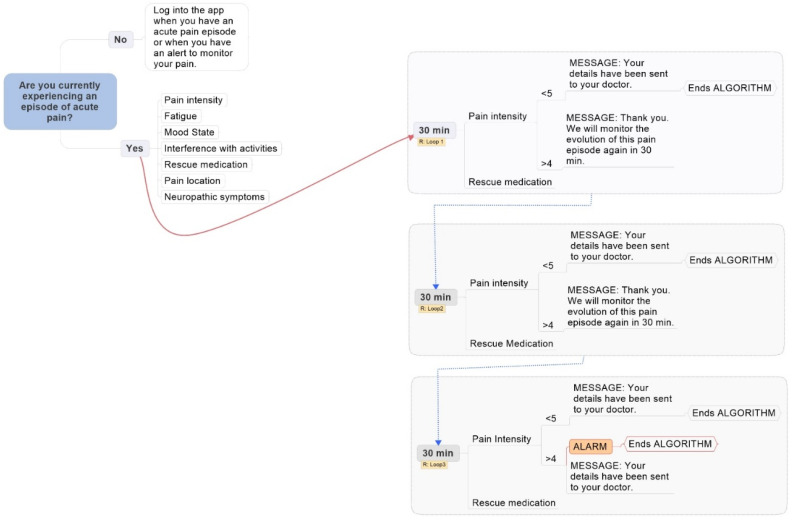
Background: mobile applications (apps) facilitate cancer pain ecological momentary assessment (EMA) and provide more reliable data than retrospective monitoring. The aims of this study are (a) to describe the status of persons with cancer pain when assessed ecologically, (b) to analyze the utility of clinical alarms integrated into the app, and (c) to test the feasibility of implementing an app for daily oncological pain monitoring.
Methods: in this feasibility study, 21 patients (mean age = 56.95 years, SD = 10.53, 81.0% men) responded to an app-based evaluation of physical status (baseline and breakthrough cancer pain (BTcP)) and mental health variables (fatigue, mood, and coping) daily during 30 days.
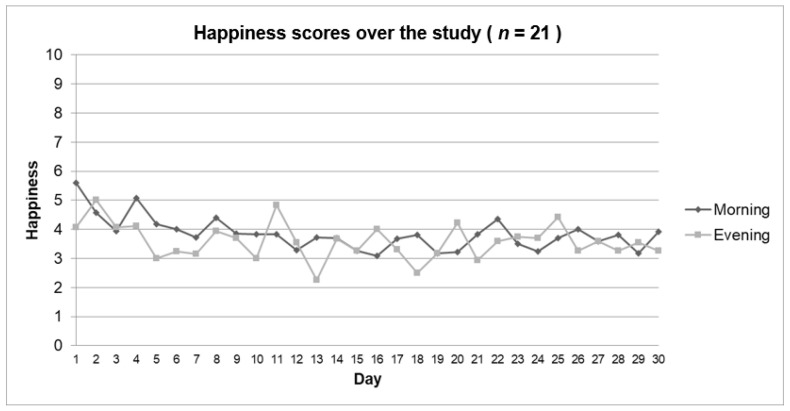
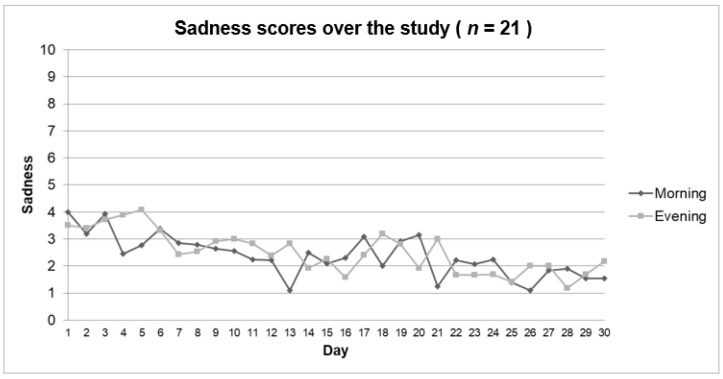
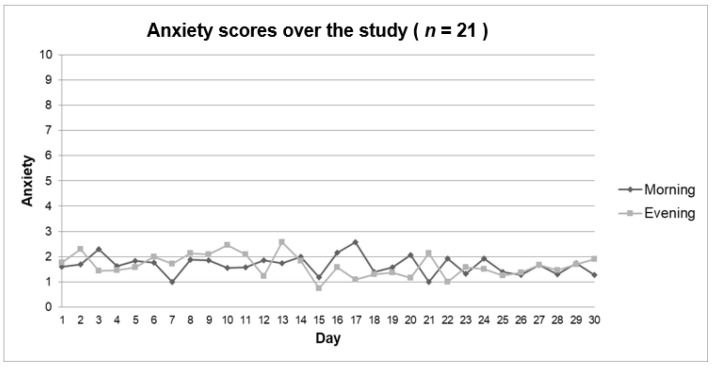
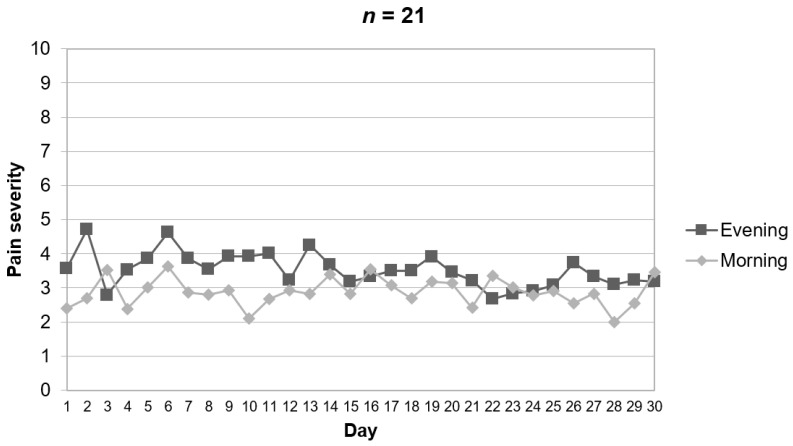
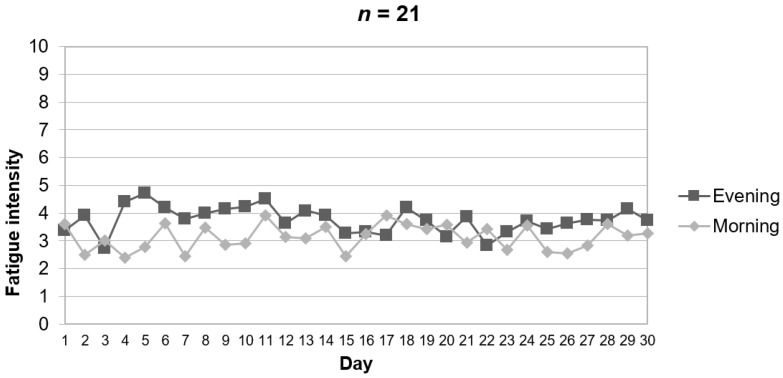
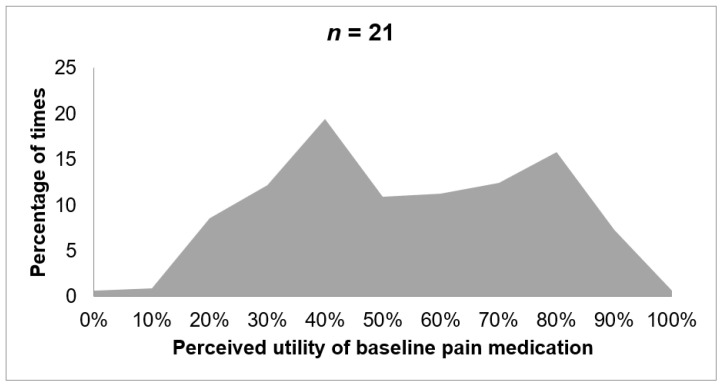
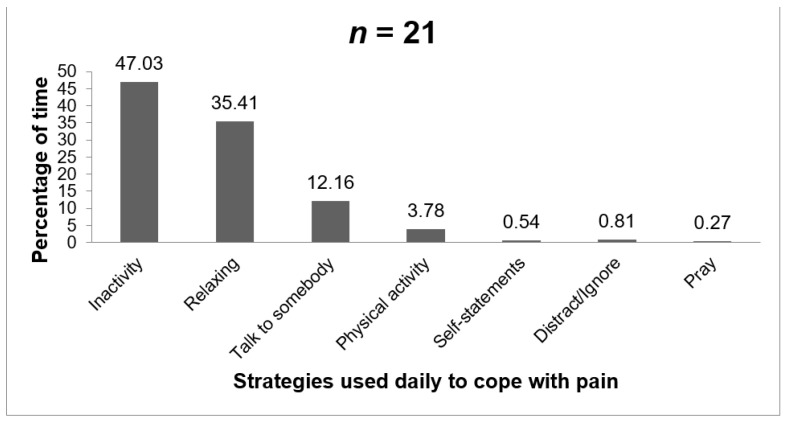
Results: cancer pain characterization with the app was similar to data from the literature using retrospective assessments in terms of BTcP duration and perceived medication effectiveness. However, BTcP was less frequent when evaluated ecologically. Pain, fatigue, and mood were comparable in the morning and evening. Passive coping strategies were the most employed daily. Clinical alarms appear to be useful to detect and address adverse events. App implementation was feasible and acceptable.
Conclusion: apps reduce recall bias and facilitate a rapid response to adverse events in oncological care. Future efforts should be addressed to integrate EMA and ecological momentary interventions to facilitate pain self-management via apps.
Keywords: breakthrough cancer pain; ecological momentary assessment; pain characterization; pain management; smartphone application.
Conflict of interest statement
The authors declare no conflict of interest.
Figures
References
-
- Davies A.N., Dickman A., Reid C., Stevens A.M., Zeppetella G. The management of cancer-related breakthrough pain: Recommendations of a task group of the Science Committee of the Association for Palliative Medicine of Great Britain and Ireland. Eur. J. Pain. 2009;13:331–338. doi: 10.1016/j.ejpain.2008.06.014. - DOI - PubMed
Publication types
MeSH terms
LinkOut - more resources
Full Text Sources
Medical
Research Materials
