Review
. 2021 Jun 30;13(7):991.
doi: 10.3390/pharmaceutics13070991.

Sesquiterpene Lactones: Promising Natural Compounds to Fight Inflammation

Affiliations
Review

Sesquiterpene Lactones: Promising Natural Compounds to Fight Inflammation

Melanie S Matos et al. Pharmaceutics. .

Abstract

Inflammation is a crucial and complex process that reestablishes the physiological state after a noxious stimulus. In pathological conditions the inflammatory state may persist, leading to chronic inflammation and causing tissue damage. Sesquiterpene lactones (SLs) are composed of a large and diverse group of highly bioactive plant secondary metabolites, characterized by a 15-carbon backbone structure. In recent years, the interest in SLs has risen due to their vast array of biological activities beneficial for human health. The anti-inflammatory potential of these compounds results from their ability to target and inhibit various key pro-inflammatory molecules enrolled in diverse inflammatory pathways, and prevent or reduce the inflammatory damage on tissues. Research on the anti-inflammatory mechanisms of SLs has thrived over the last years, and numerous compounds from diverse plants have been studied, using in silico, in vitro, and in vivo assays. Besides their anti-inflammatory potential, their cytotoxicity, structure-activity relationships, and pharmacokinetics have been investigated. This review aims to gather the most relevant results and insights concerning the anti-inflammatory potential of SL-rich extracts and pure SLs, focusing on their effects in different inflammatory pathways and on different molecular players.

Keywords: NF-κB; anti-inflammatory; bioactivity; eudesmanolides; germacranolides; guaianolides; heliangolides; inflammatory pathway; pro-inflammatory mediators; pseudoguainolides; sesquiterpene lactone-rich natural extracts.


Conflict of interest statement

The authors declare no conflict of interest.

Figures
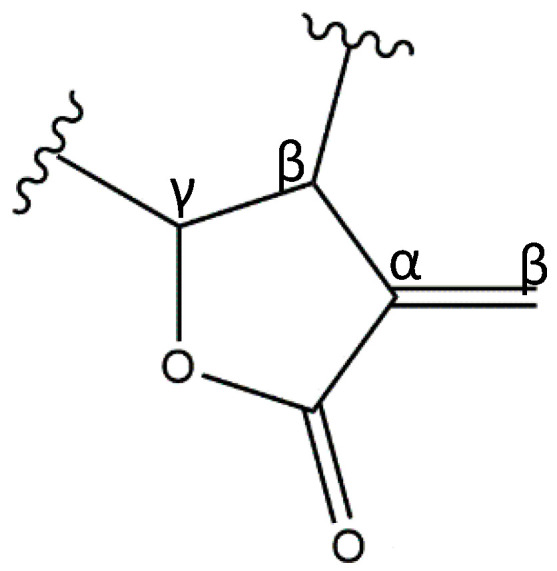
Figure 1
Figure 1
α-methylene-γ-lactone moiety core structure characteristic of SLs.
Figure 2
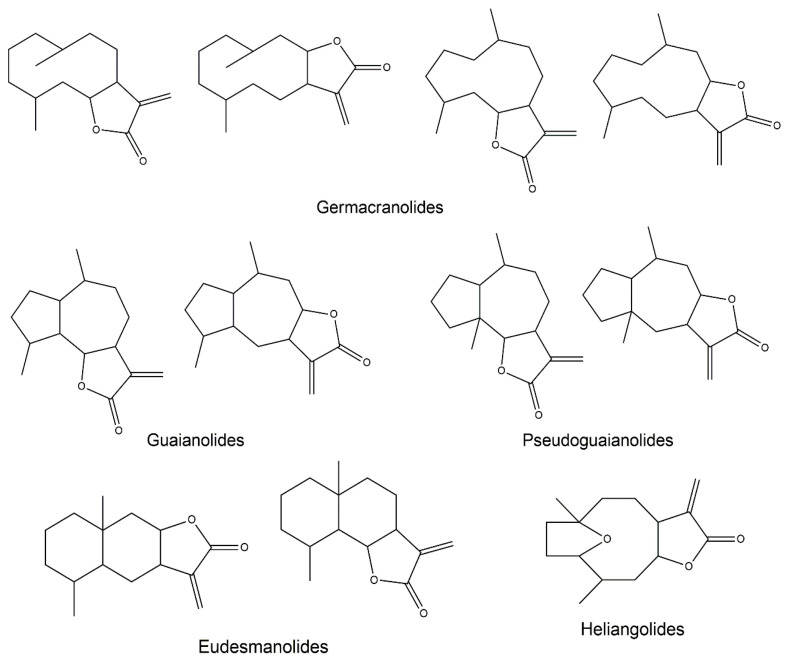
Figure 2
Structural backbone of the main SL subclasses.
Figure 3
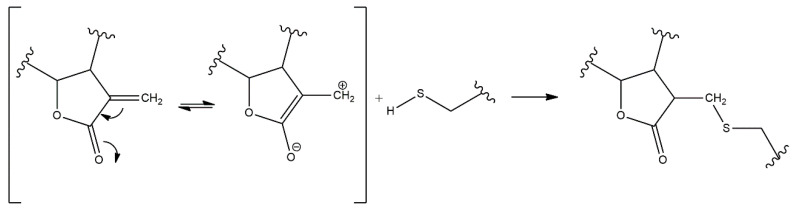
Figure 3
Michael reaction between an α-methylene-γ-lactone moiety and a sulfhydryl group.
Figure 4
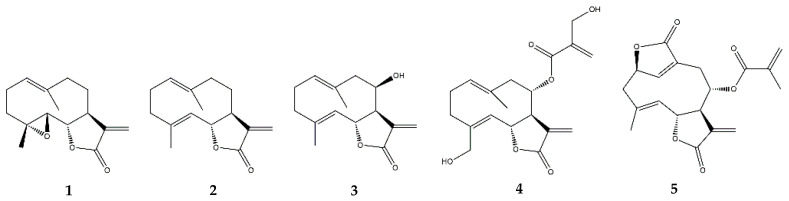
Figure 4
Structures of addressed germacranolides. 1—Parthenolide; 2—Costunolide; 3—Eupatolide; 4—Onopordopicrin; 5—Deoxyelepantopin.
Figure 5
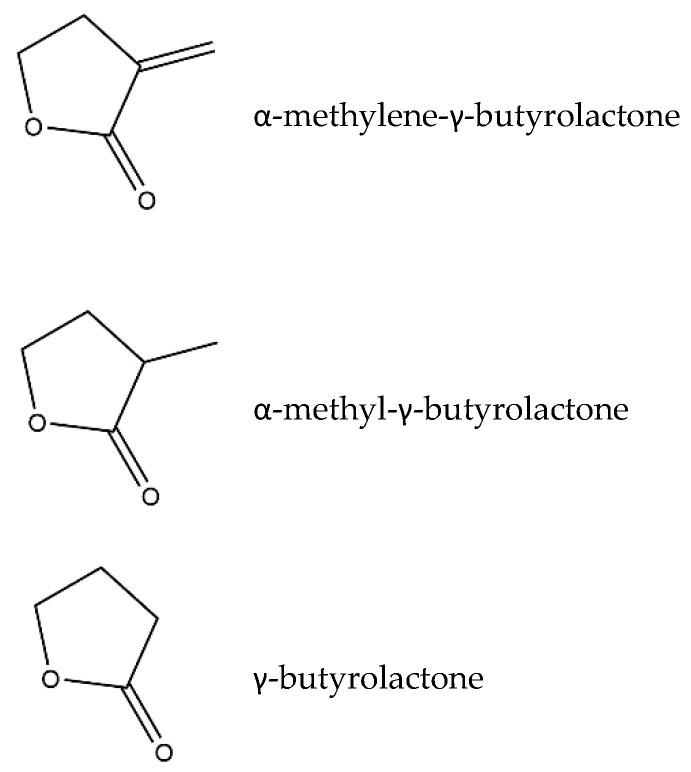
Figure 5
Structures of α-methylene-γ-butyrolactone, α-methyl-γ-butyrolactone, and γ-butyrolactone.
Figure 6
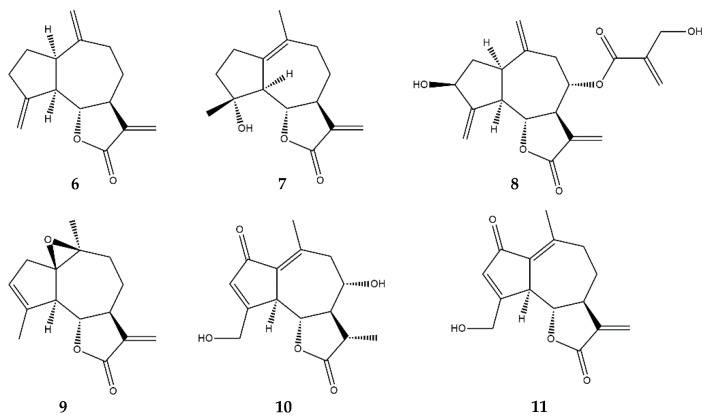
Figure 6
Structures of addressed guaianolides. 6—Dehydrocostuslactone; 7—Micheliolide; 8—Cynaropicrin; 9—Arglabin; 10—11β,13-dihydrolactucin; 11—8-deoxylactucin.
Figure 7
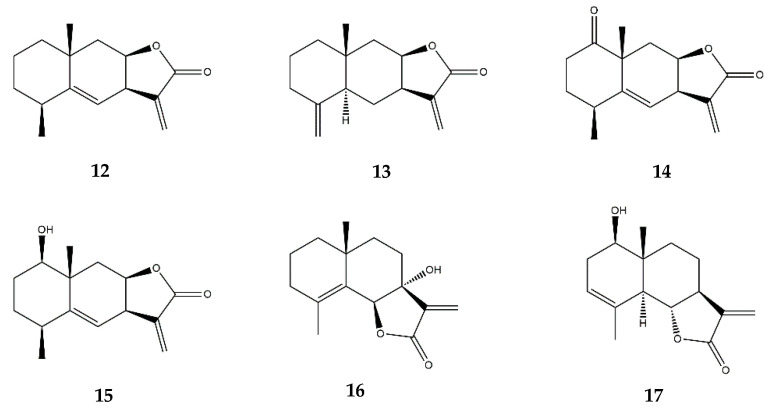
Figure 7
Structures of addressed eudesmanolides. 12—Alantolactone; 13—Isoalantolactone; 14—JEUD-38; 15—1β-hydroxyalantolactone; 16—7-hydroxyfrullanolide; 17—Santamarin.
Figure 8
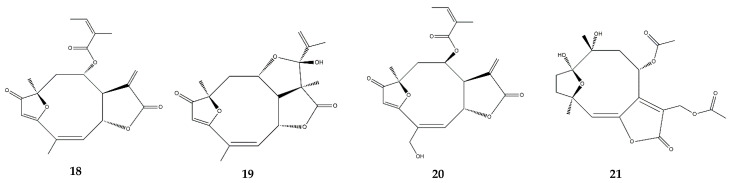
Figure 8
Structures of addressed heliangolides. 18—Lychnopholide; 19—Eremantholide C; 20—Budlein A; 21—Diacethylpiptocarphol.
Figure 9
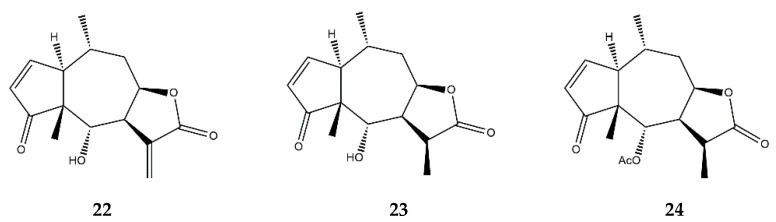
Figure 9
Structures of the addressed pseudoguaianolides: 22—helenalin; 23—11α,13-dihydrohelenalin; 24—11α,13-dihydrohelenalin acetate.
Figure 10
Figure 10
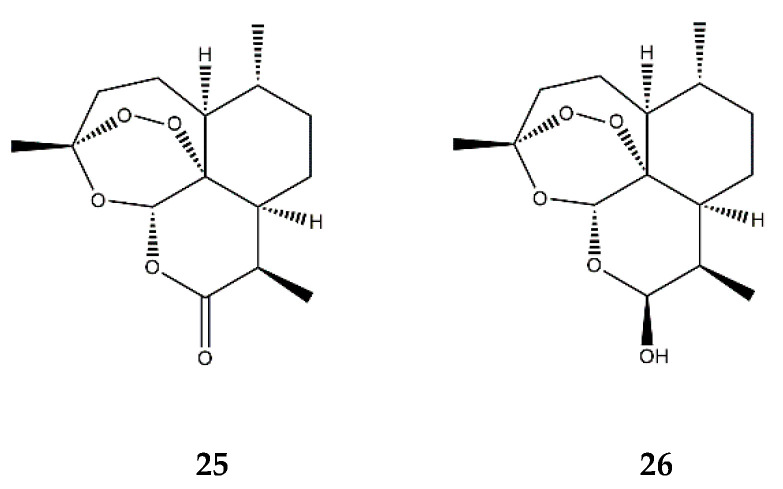
Structures of 25—artemisinin and 26—dihydroartemisinin.
Figure 11
Figure 11
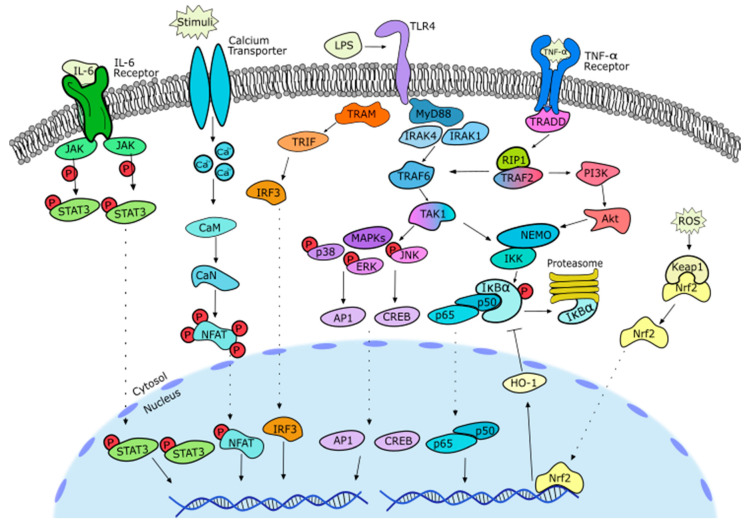
Inflammatory pathways upon which SLs have been described to exert an effect upon. IL-6—interleukin-6; JAK—Janus kinase; P—phosphate group; STAT3—signal transducer and activator of transcription 3; Ca2+—calcium ion; CaM—calmodulin; CaN—calcineurin; NFAT—Nuclear factor of activated T-cells; LPS—lipopolysaccharide; TLR4—Toll-like receptor 4; TRIF—Toll-interleukin-1 receptor domain-containing adapter inducing interferon-β; TRAM—TRIF-related adapter molecule; IRF3—interferon regulatory factor; MyD88—myeloid differentiation primary response 88; IRAK1/4—interleukin 1 receptor associated kinase 1/4; TRAF2/6—tumor necrosis factor receptor (TNFR)-associated factor 2/6; TAK1—transforming growth factor-β activated kinase 1; MAPKs—mitogen-activated protein kinases; p38—MAPKs member; Erk—extracellular signal-regulated kinase; JNK—c-Jun N-terminal kinase; AP1—activator protein 1; CREB—cyclic adenosine monophosphate (cAMP) response element-binding protein; TNF-α—tumor necrosis factor-alpha; TRADD—TNF-α-associated death domain protein; RIP1—receptor-interacting protein 1; PI3K—phosphatidylinositol-3-kinase; Akt—protein kinase B; NEMO—Nuclear factor-kappa B essential modulator; IκBα—NF-κB inhibitor alpha kinase; IKK—IκBα kinase; p50/p65—NF-κB protein subunits; HO-1—heme oxygenase-1; ROS—reactive oxygen species; Keap1—Kelch-like ECH-associated protein 1; Nrf2—nuclear factor erythroid 2-related factor 2.

References

    1. Chaturvedi D., Dwivedi P. Discovery and Development of Antidiabetic Agents from Natural Products. 1st ed. Elsevier; Amsterdam, The Netherlands: 2019. Recent Developments on the Antidiabetic Sesquiterpene Lactones and Their Semisynthetic Analogues; pp. 185–205.
    1. Vranová E., Coman D., Gruissem W. Network Analysis of the MVA and MEP Pathways for Isoprenoid Synthesis. Annu. Rev. Plant Biol. 2013;64:665–700. doi: 10.1146/annurev-arplant-050312-120116. - DOI - PubMed
    1. Lopes A.A., Pina E.S., Silva D.B., Pereira A.M.S., Silva M.F.D.G.F.D., Da Costa F.B., Lopes N.P., Pupo M.T. A biosynthetic pathway of sesquiterpene lactones in Smallanthus sonchifolius and their localization in leaf tissues by MALDI imaging. Chem. Commun. 2013;49:9989–9991. doi: 10.1039/c3cc46213g. - DOI - PubMed
    1. Ramirez A.M., Saillard N., Yang T., Franssen M.C.R., Bouwmeester H.J., Jongsma M.A. Biosynthesis of Sesquiterpene Lactones in Pyrethrum (Tanacetum cinerariifolium) PLoS ONE. 2013;8:e65030. doi: 10.1371/journal.pone.0065030. - DOI - PMC - PubMed
    1. Majdi M., Liu Q., Karimzadeh G., Malboobi M.A., Beekwilder J., Cankar K., De Vos R., Todorović S., Simonović A., Bouwmeester H. Biosynthesis and localization of parthenolide in glandular trichomes of feverfew (Tanacetum parthenium L. Schulz Bip.) Phytochemistry. 2011;72:1739–1750. doi: 10.1016/j.phytochem.2011.04.021. - DOI - PubMed

LinkOut - more resources