


Prevalence and Risk Factors of Mental Health Problems Among Healthcare Workers During the COVID-19 Pandemic: A Systematic Review and Meta-Analysis
- PMID: 34211406
- PMCID: PMC8239157
- DOI: 10.3389/fpsyt.2021.567381
Prevalence and Risk Factors of Mental Health Problems Among Healthcare Workers During the COVID-19 Pandemic: A Systematic Review and Meta-Analysis
Abstract
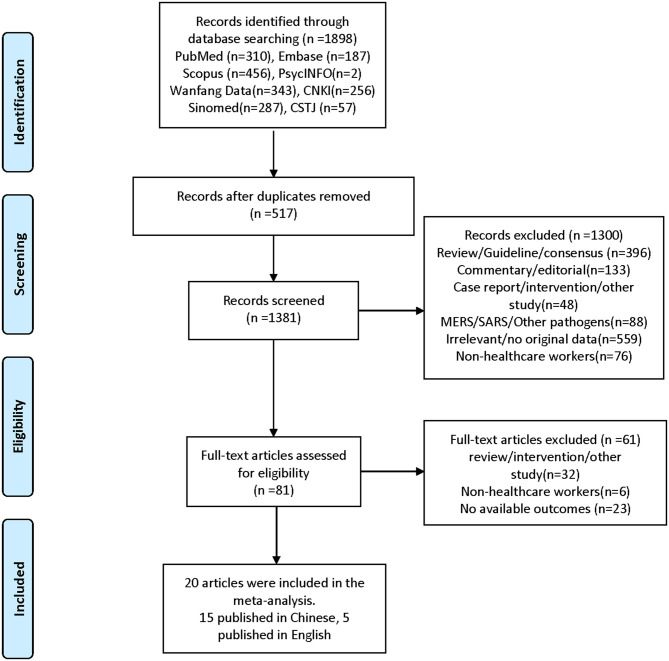
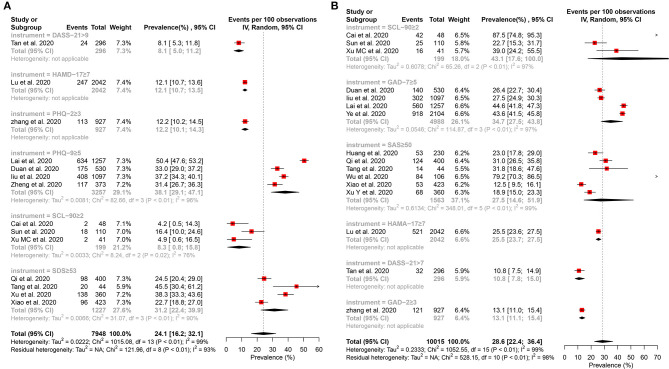
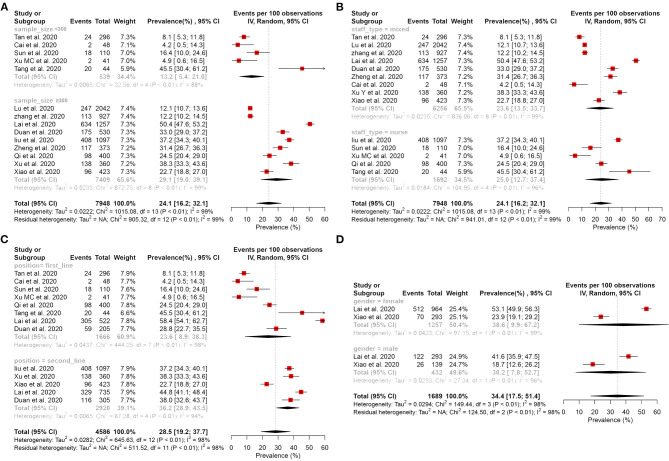
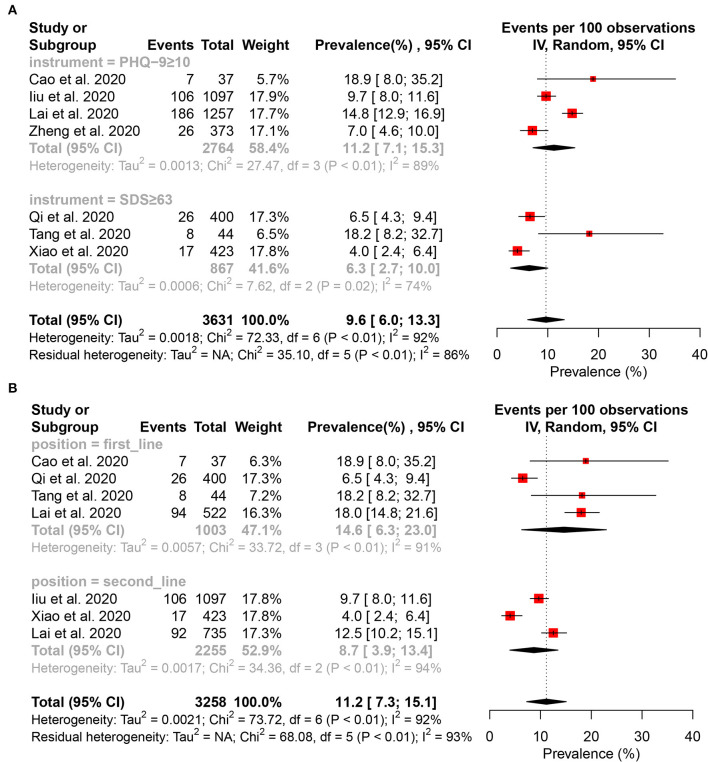
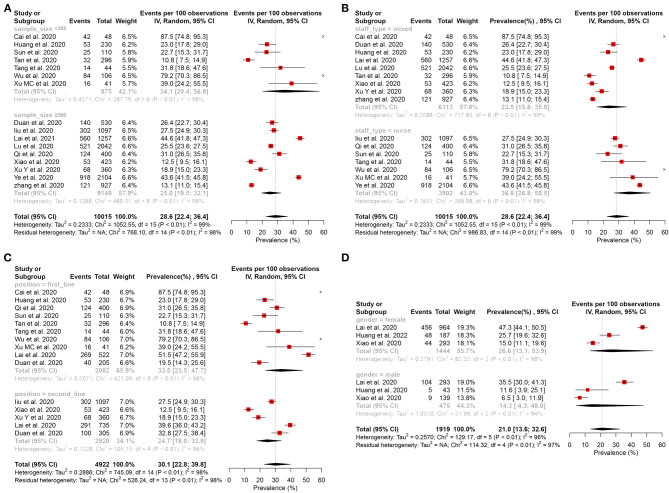
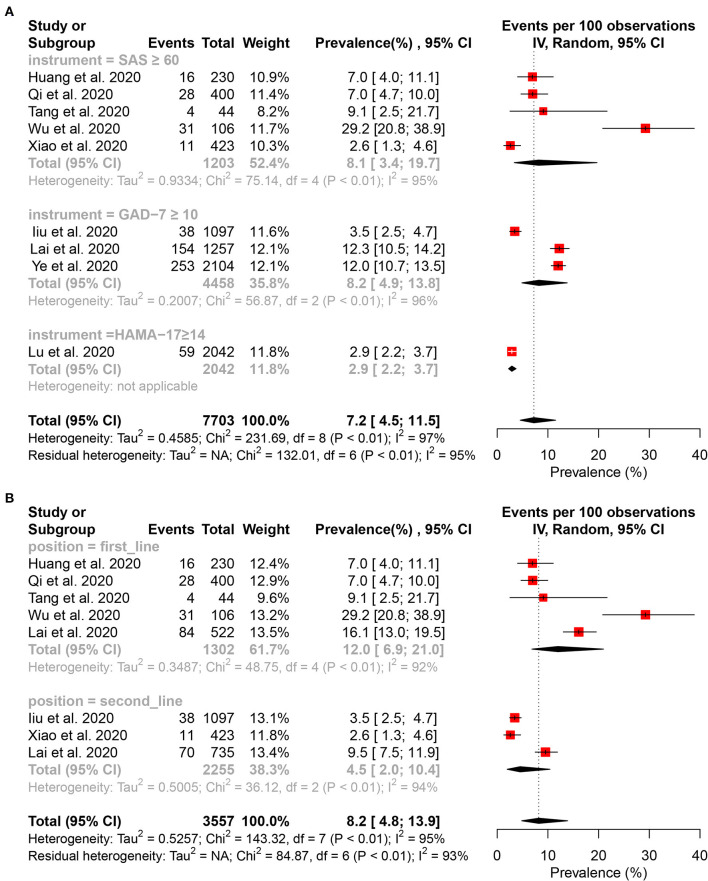
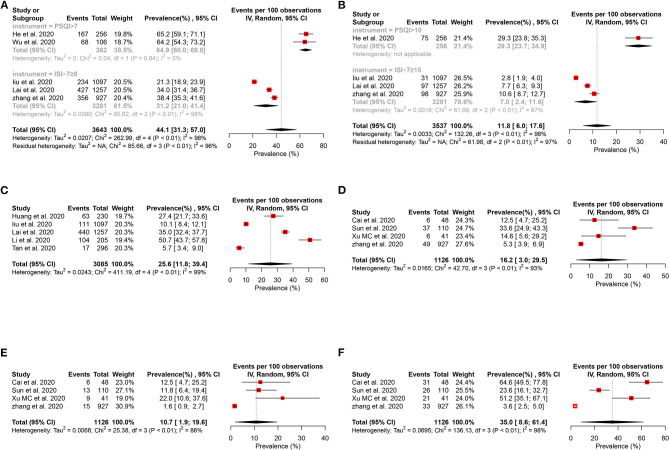
Objective: The purpose of this meta-analysis was to summarize the prevalence and risk factors of mental health problems among healthcare workers during the COVID-19 pandemic. Methods: We applied an optimized search strategy across the PubMed, EMBASE, Scopus, PsycINFO, and four Chinese databases, with hand searching supplemented to identify relevant surveys. Studies were eligible for inclusion if they were published in peer-reviewed literature and used a validated method to assess the prevalence and risk factors of mental health problems among healthcare workers during the COVID-19 pandemic. Heterogeneity was quantified using Q statistics and the I 2 statistics. The potential causes of heterogeneity were investigated using subgroup analysis and meta-regression analysis. Sensitivity analysis was performed to examine the robustness of the results. Results: We pooled and analyzed data from 20 studies comprising 10,886 healthcare workers. The prevalence of depression, anxiety, insomnia, post-traumatic stress symptoms, phobia, obsessive-compulsive symptoms, and somatization symptoms was 24.1, 28.6, 44.1, 25.6, 35.0, 16.2, and 10.7%, respectively. Female and nurses had a high prevalence of depression and anxiety. Frontline healthcare workers had a higher prevalence of anxiety and a lower prevalence of depression than the those in the second-line. Furthermore, the proportion of moderate-severe depression and anxiety is higher in the frontline. Additionally, four studies reported on risk factors of mental health problems. Conclusions: In this systematic review, healthcare workers have a relatively high prevalence of depression, anxiety, insomnia, post-traumatic stress symptoms, phobia, obsessive-compulsive symptoms, and somatization symptoms during the COVID-19 pandemic, and focus should be on the healthcare workers at high risk of mental problems. Mental health problems in healthcare workers should be taken seriously, and timely screening and appropriate intervention for the high-risk group are highly recommended. Systematic Review Registration:https://www.crd.york.ac.uk/prospero/display_record.php?ID=CRD42020179189.
Keywords: coronavirus disease; healthcare workers; mental health; meta-analysis; prevalence; risk factors.
Copyright © 2021 Hao, Wang, Xie, Tang, Dou, Zhu, Wu, Dai, Wu and Wang.
Conflict of interest statement
The authors declare that the research was conducted in the absence of any commercial or financial relationships that could be construed as a potential conflict of interest.
Figures
References
Publication types
LinkOut - more resources
Full Text Sources
Medical
