. 2021 Aug 9;22(8):3386-3395.
doi: 10.1021/acs.biomac.1c00474. Epub 2021 Jul 2.

Engineering Insulin Cold Chain Resilience to Improve Global Access

Affiliations

Engineering Insulin Cold Chain Resilience to Improve Global Access

Caitlin L Maikawa et al. Biomacromolecules. .

Abstract

There are 150 million people with diabetes worldwide who require insulin replacement therapy, and the prevalence of diabetes is rising the fastest in middle- and low-income countries. The current formulations require costly refrigerated transport and storage to prevent loss of insulin integrity. This study shows the development of simple "drop-in" amphiphilic copolymer excipients to maintain formulation integrity, bioactivity, pharmacokinetics, and pharmacodynamics for over 6 months when subjected to severe stressed aging conditions that cause current commercial formulation to fail in under 2 weeks. Further, when these copolymers are added to Humulin R (Eli Lilly) in original commercial packaging, they prevent insulin aggregation for up to 4 days at 50 °C compared to less than 1 day for Humulin R alone. These copolymers demonstrate promise as simple formulation additives to increase the cold chain resilience of commercial insulin formulations, thereby expanding global access to these critical drugs for treatment of diabetes.


Conflict of interest statement

Declarations of interest: E.A.A., J.L.M., and C.L.M. are listed as inventors on a provisional patent application (63/011,928) filed by Stanford University describing the technology reported in this manuscript.

Figures

Figure 1.
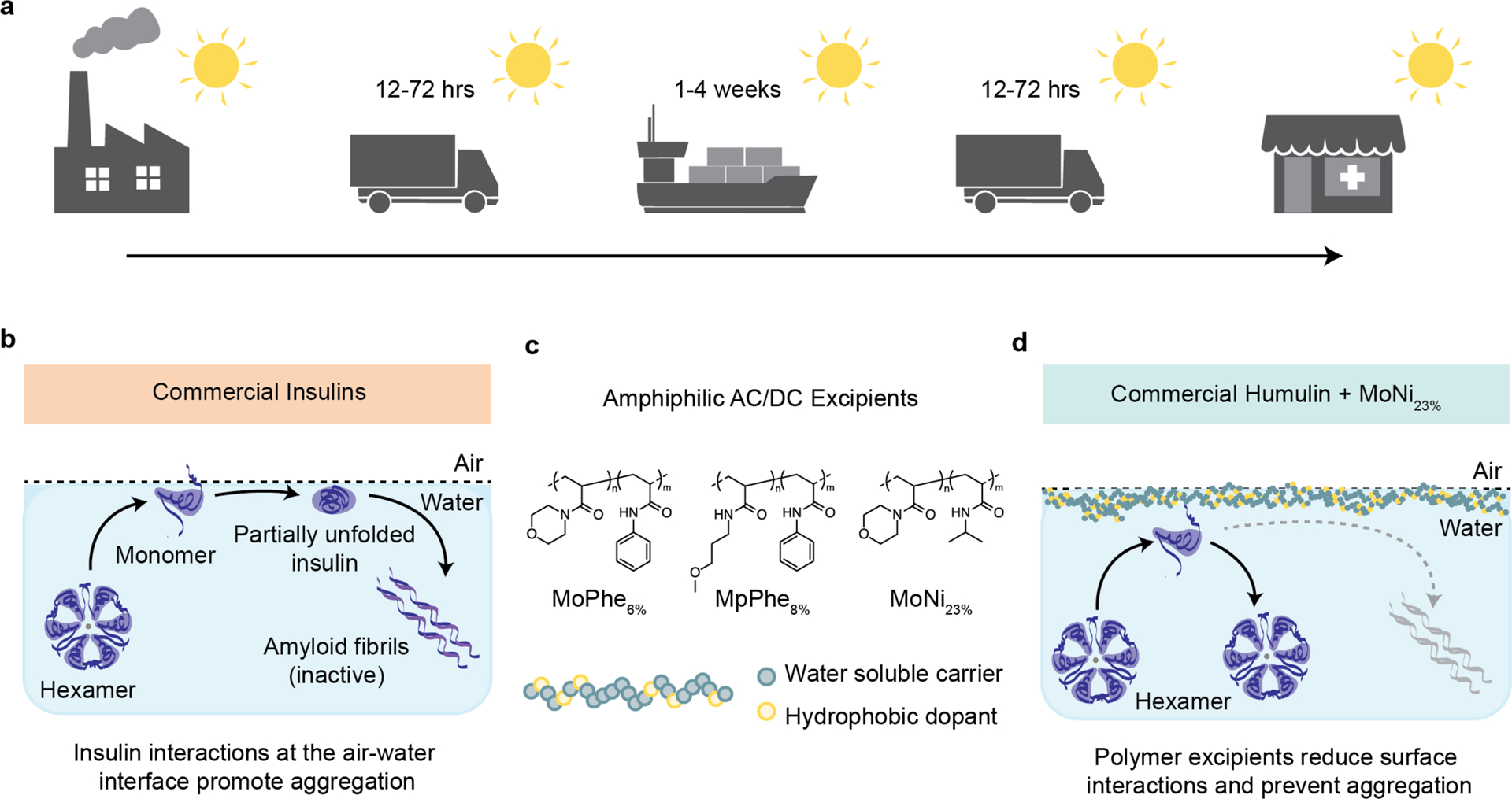
Figure 1.. Scheme of the cold chain and insulin aggregation mechanism.
a, To maintain integrity, commercial insulin formulations must currently be transported and stored in refrigerated containers for the weeks-long duration of worldwide distribution. b, Aggregation mechanism of commercial insulin formulations. The insulin hexamer is at equilibrium with monomers in formulation. These monomers interact at the interface, where the exposure of hydrophobic domains during insulin-insulin interaction nucleate amyloid fiber formation. c, Chemical structure of AC/DC excipients, poly(acryloylmorpholine77%-co-N-isopropylacrylamide23%) (MoNi23%). AC/DC excipients have a molecular weight between 2–5 kDa (See Table S1). d, AC/DC excipients are amphiphilic copolymers that adsorb to interfaces, reducing insulin-insulin interactions and delaying the nucleation of insulin amyloidosis.
Figure 2:
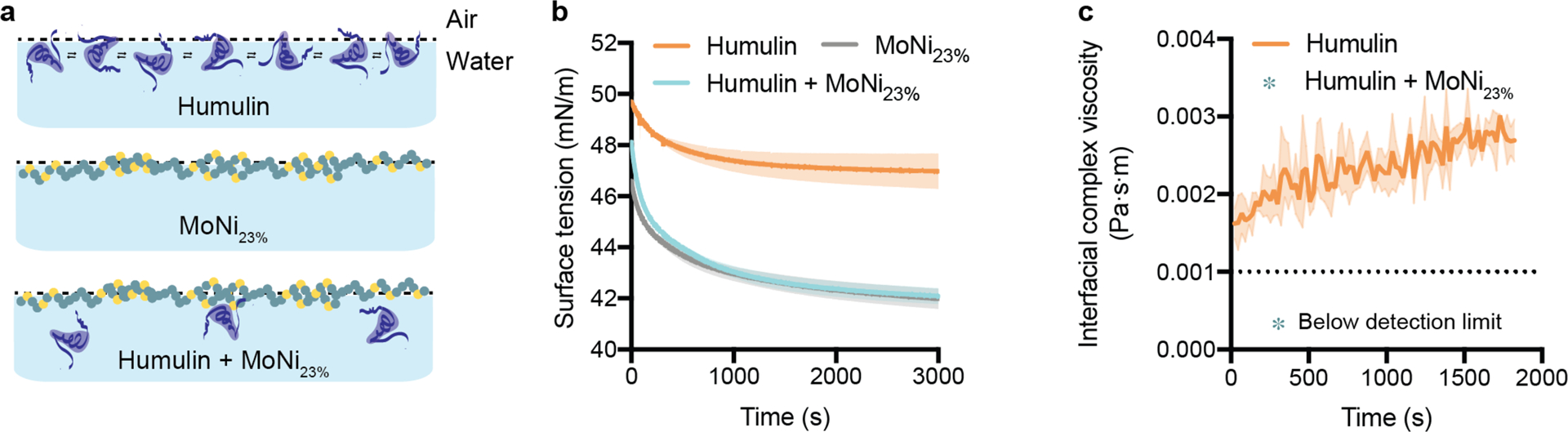
Figure 2:. Experimental insight into the mechanism of AC/DC excipient stabilization.
a, Illustration of proposed stabilization mechanism: (i) In commercial Humulin, monomers at the interface have associative interactions. (ii) Alone, MoNi23% occupies the interface without the presence of insulin. (iii) In combination with Humulin formulations, MoNi23% disrupts insulin-insulin surface interactions, providing a mechanism for inhibiting aggregation. b, Surface tension measurements of Humulin, MoNi23% (0.01 wt.%) formulated with formulation excipients, and Humulin formulated with MoNi23% (0.01 wt.%) (n=2). c, Interfacial rheology measurements of Humulin. Measurements for Humulin formulated with MoNi23% (0.01 wt.%) fell below the resolution of the instrument, indicating that there is no protein aggregation at the interface (n=3).
Figure 3:
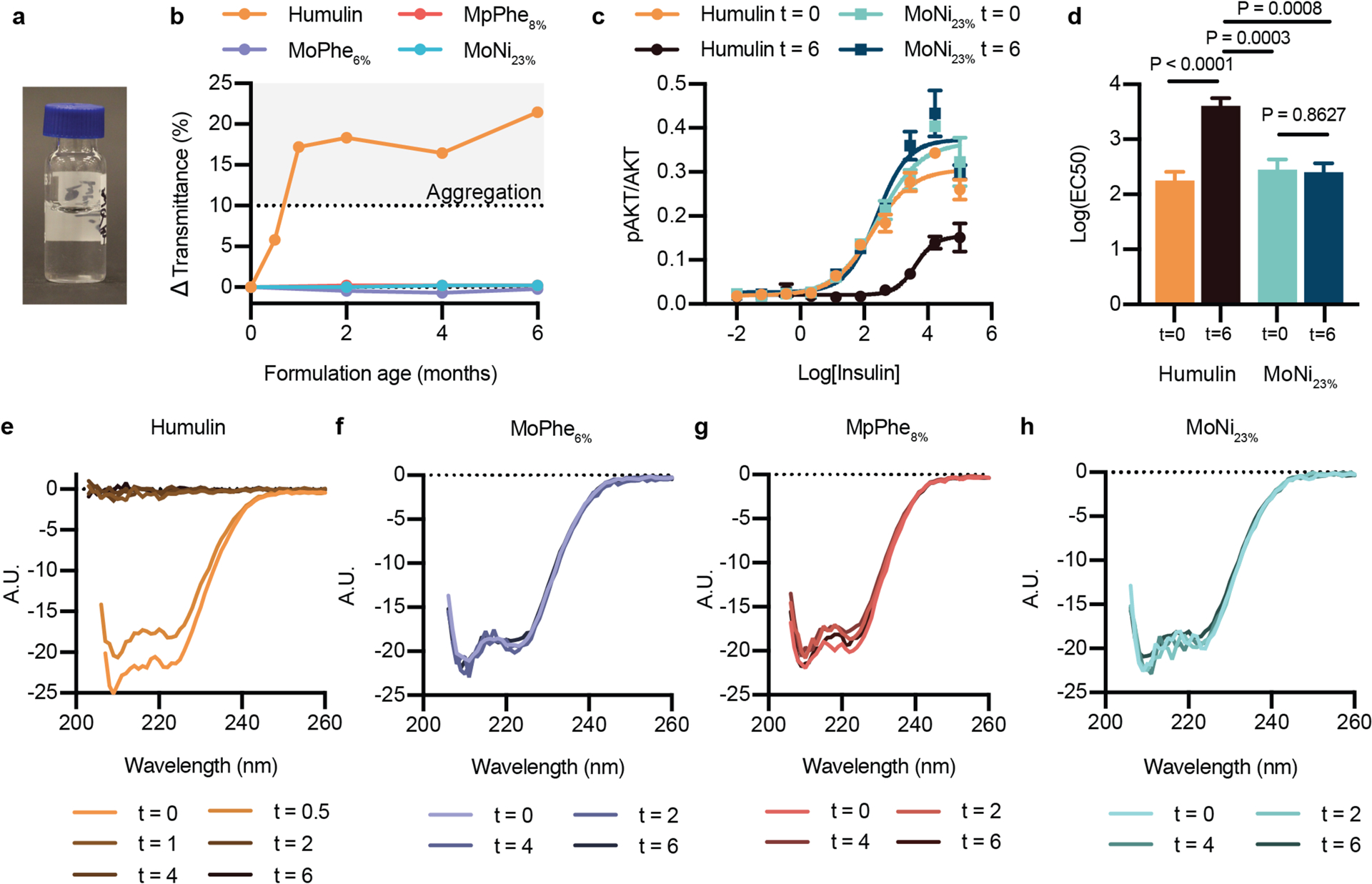
Figure 3:. Formulation with AC/DC copolymers stabilizes insulin.
a, 1mL of Commercial Humulin or Humulin with the addition of AC/DC excipients (i) MoPhe6%, (ii) MpPhe8%, (iii) MoNi23% were aliquoted into 2mL glass vials and aged at 37°C with constant agitation (150 rpm) for 0, 2, 4, and 6 months. Additional 2 week and 1 month timepoints were added for the Humulin control. All formulations were at a concentration of 95U/mL (diluted so that copolymers could be added to commercial Humulin). b, Transmittance assay to assess the aggregation of proteins in formulation over time by monitoring changes in transmittance at 540nm (n=1 per formulation timepoint). c, In vitro activity by assaying for phosphorylation of Ser473 on AKT after stimulation with either Humulin or MoNi23% at 0 month and 6 month timepoints. Insulin concentrations are shown as Log(ng/mL). d, Log(EC50) values for each formulation. Statistical significance was assessed using the Extra sum-of-squares F-test to determine if Log(EC50) differed between datasets. Data sets were compared in pairs, and Bonferroni post-hoc tests were used to adjust for multiple comparisons (alpha=0.008). e-h, Circular dichroism spectra from 200–260nm for each formulation (diluted to 0.2 mg/mL in PBS) at each time point. c, Results shown are mean ± s.e plotted as a ratio of [pAKT]/[AKT] for each sample (n=3 cellular replicates) and an EC50 regression (log(agonist) vs. response (three parameters)) was plotted using GraphPad Prism 8. d, Statistical significance was assessed using the Extra sum-of-squares F-test to determine if Log(EC50) differed between datasets. Data sets were compared in pairs, and Bonferroni post-hoc tests were used to adjust for multiple comparisons (alpha=0.008).
Figure 4:
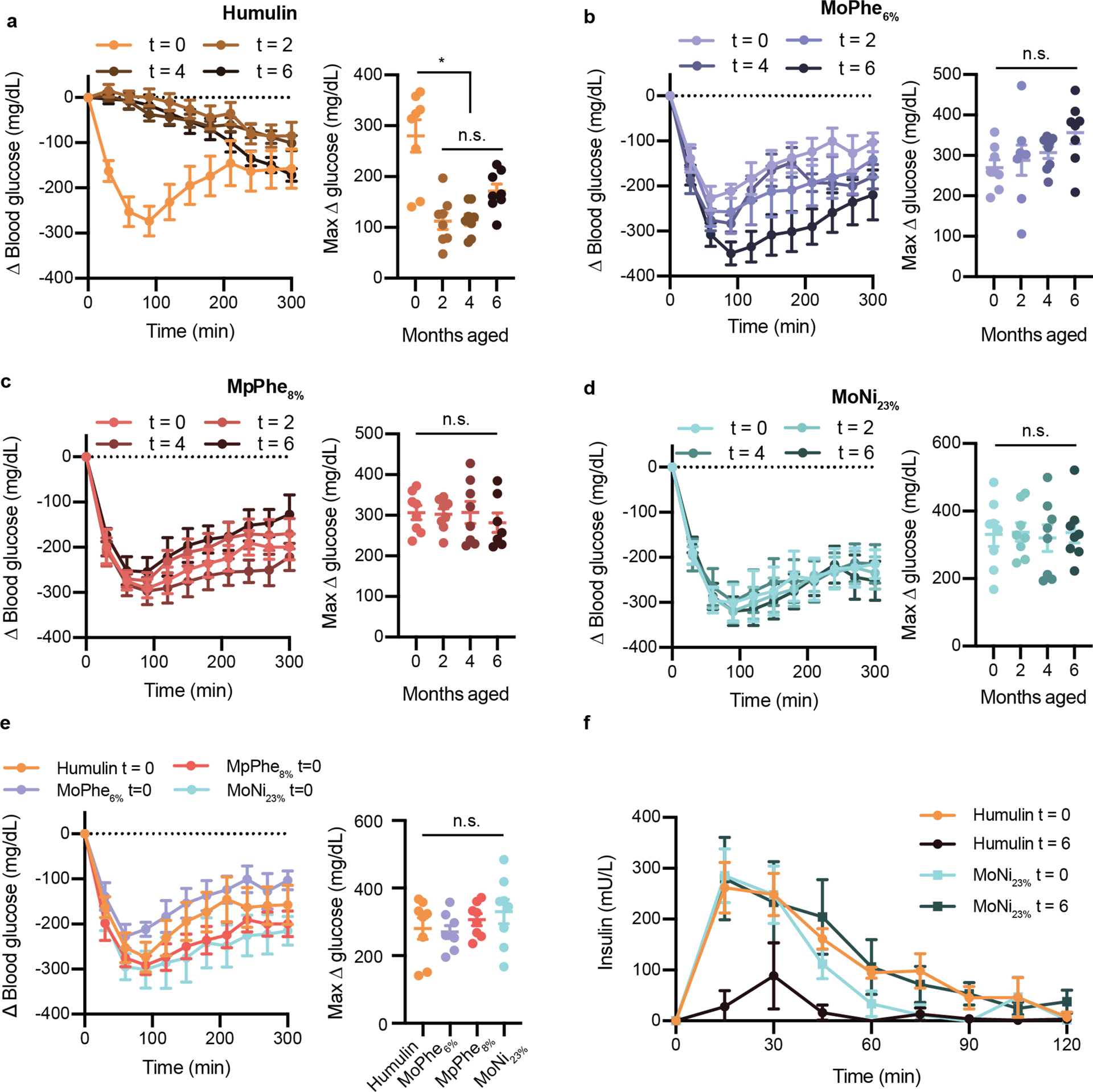
Figure 4:. Insulin activity after aging in diabetic rats.
Fasted diabetic male rats received subcutaneous administration (1.5U/kg) of each insulin formulation a, Humulin b, Humulin with MoPhe6%, c, Humulin with MpPhe8%, or d, Humulin with MoNi23% at each aging timepoint (0, 2, 4, 6 months). e, Comparison of each formulation a t=0 months. In these assays, 32 rats were randomly assigned to one of the four formulation groups (n=8) and each rat received one dose of the formulation at each aging timepoint in a random order. Blood glucose levels were measured every 30 minutes using a handheld glucose monitor and the change in blood glucose relative to baseline glucose measurements were plotted. Baseline glucose measurements ranged from 300–600 mg/dL (See Supplementary Figure 5 for raw glucose curves). The maximum difference in glucose from baseline (Δ glucose) was also plotted for each formulation as a measure of formulation potency. f, Pharmacokinetics of Humulin and Humulin with MoNi23% at t=0 and t=6 months. All data is shown as mean ± s.e. Statistical significance between max Δ glucose was assessed using a REML repeated measures mixed model with rat as a random effect and the age of the formulation as a within-subject fixed effect. A post-hoc Tukey HSD test was used on Humulin formulations to determine statistical significance between aging timepoints.
Figure 5:
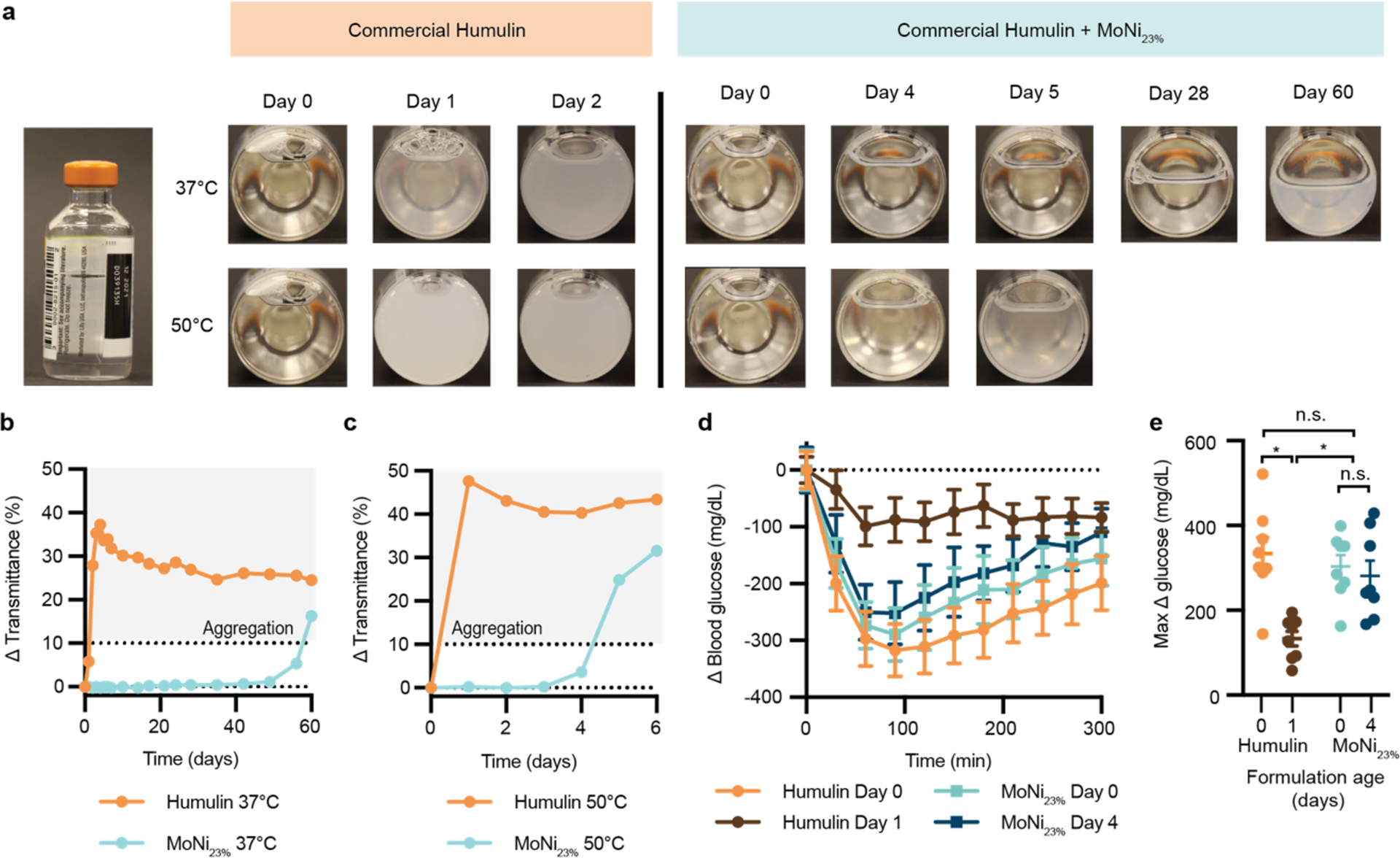
Figure 5:. Stressed aging in commercial packaging.
a, Humulin is often sold in standardized 10mL glass vials and packaged in cardboard boxes. Here we tested the stabilizing capacity of AC/DC copolymers in commercial packaging conditions under stressed conditions. 10mL vials of U100 Humulin R were diluted to 95 U/mL with the addition of 50 uL of a MoNi23% stock solution (to a final concentration of 0.01 wt.% copolymer) or water (control). Dilution was necessary to add copolymer to the formulation. These vials were replaced in their original boxes and taped to a shaker plate (150 rpm) in a 37 °C (n=1 per formulation) or 50 °C (n=1 per formulation) incubator. Samples were observed and imaged daily. b,c, Transmittance assays for Humulin or Humulin comprising MoNi23% after aging at (b) 37 °C and (c) 50 °C. Single samples (n=1) were tested for each transmittance curve. d, Blood glucose curves and e, maximum change in blood glucose (Δ glucose) in fasted diabetic rats for samples aged at 50 °C. Data is shown as mean ± s.e. Statistical significance between max Δ glucose was assessed using a REML repeated measures mixed model with rat as a random effect and the age of the formulation as a within-subject fixed effect. A post-hoc Tukey HSD test was used to determine statistical significance between aging timepoints and groups.

References

    1. Garg SK; Rewers AH; Akturk HK, Ever-Increasing Insulin-Requiring Patients Globally. Diabetes Technol. Ther 2018, 20 (S2), S21–S24. - PubMed
    1. International Diabetes Federation IDF Diabetes Atlas, 9th edn.; https://www.diabetesatlas.org., 2019.
    1. Ogle GD; Abdullah M; Mason D; Januszewski AS; Besançon S, Insulin storage in hot climates without refrigeration: temperature reduction efficacy of clay pots and other techniques. Diabetic Med. 2016, 33 (11), 1544–1553. - PubMed
    1. Basta N; Lipowicz M 2019 Biopharma Cold Chain Sourcebook Pharmaceutical Commerce: 2019.
    1. Brange J; Andersen L; Laursen ED; Meyn G; Rasmussen E, Toward understanding insulin fibrillation. J. Pharm. Sci 1997, 86 (5), 517–525. - PubMed

Publication types