


Investigating the effect of air conditioning on the distribution and transmission of COVID-19 virus particles
- PMID: 34219992
- PMCID: PMC8240474
- DOI: 10.1016/j.jclepro.2021.128147
Investigating the effect of air conditioning on the distribution and transmission of COVID-19 virus particles
Abstract
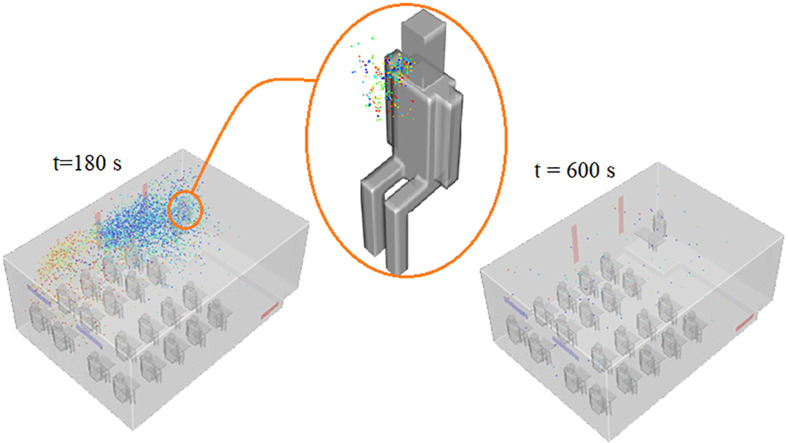
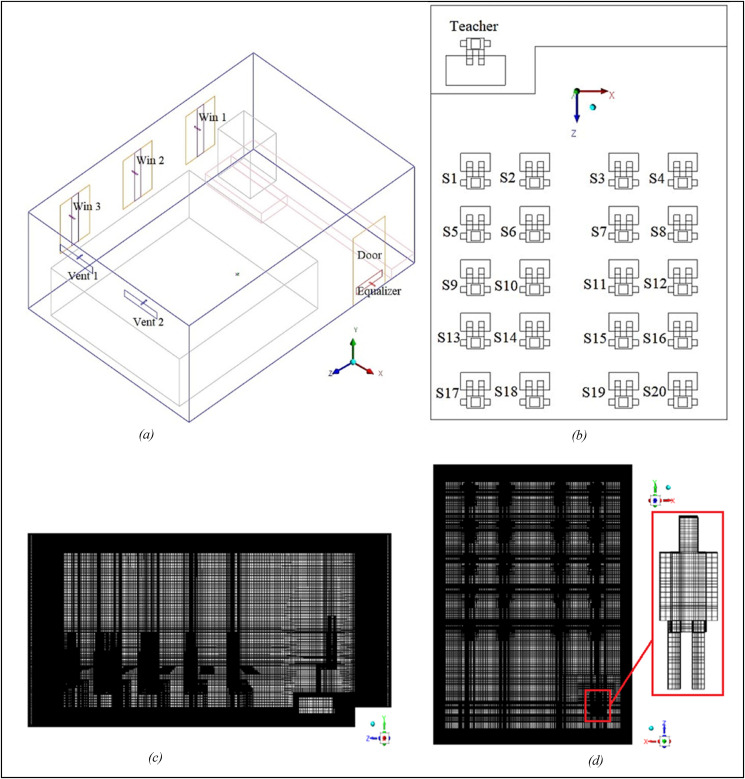
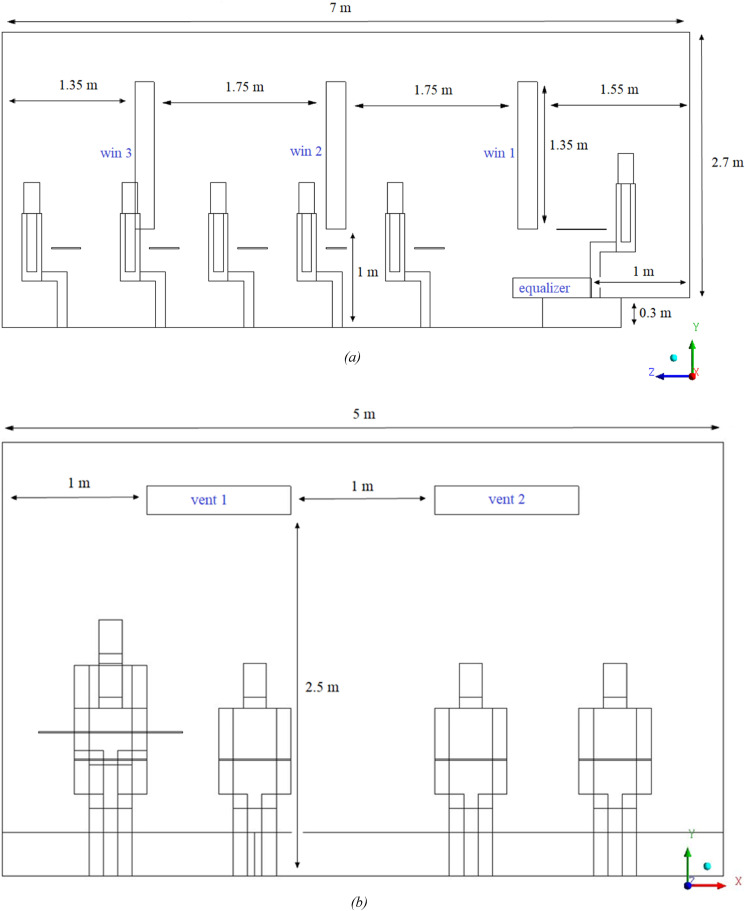
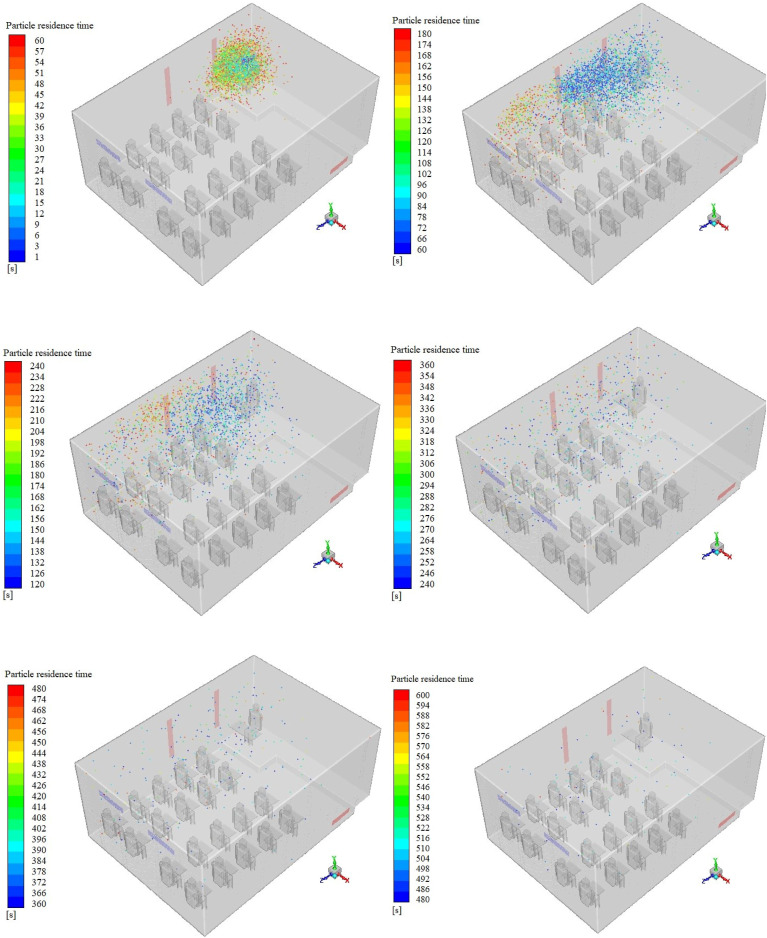
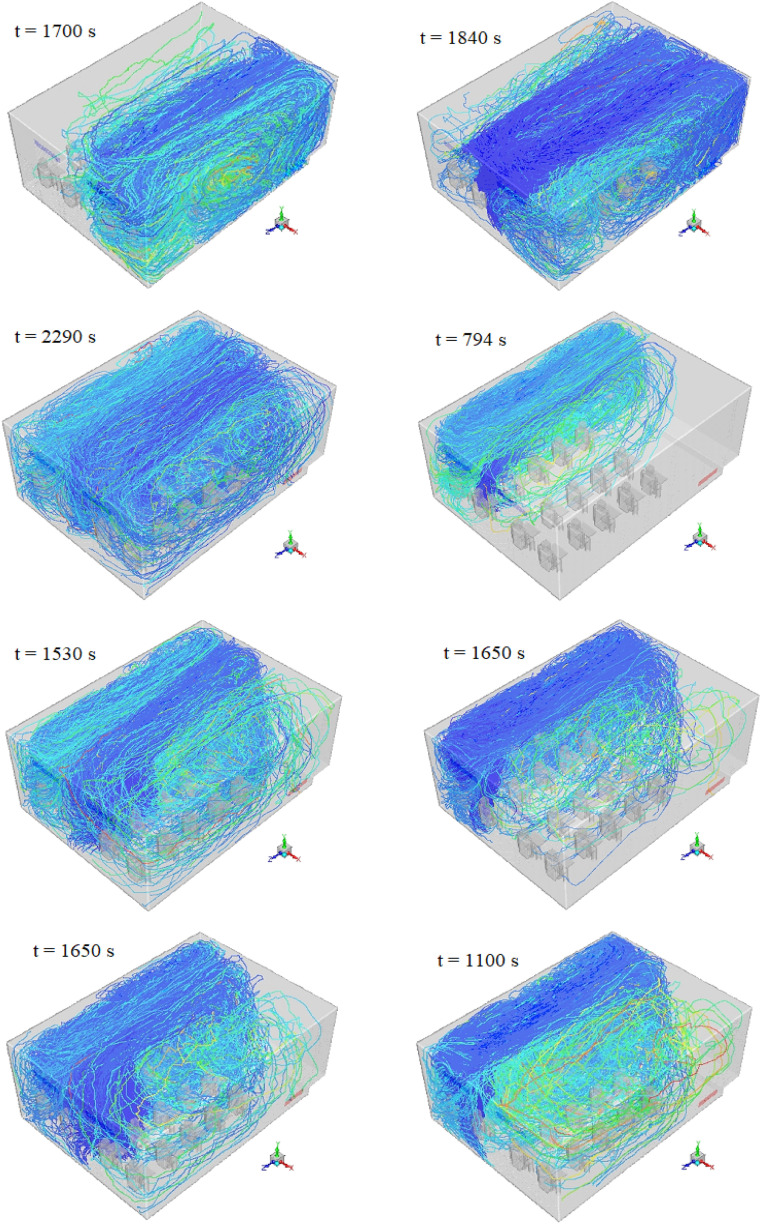
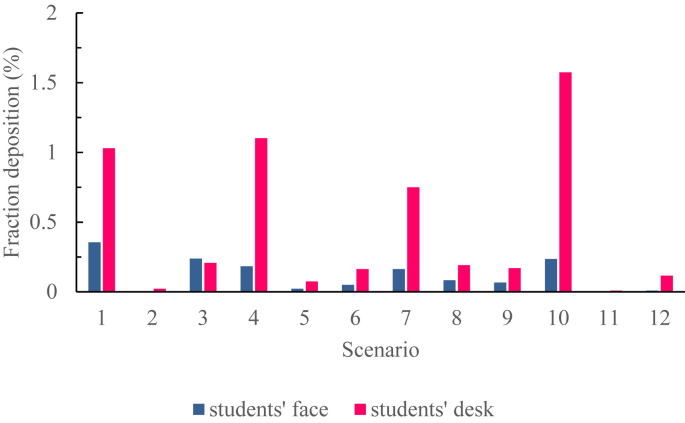
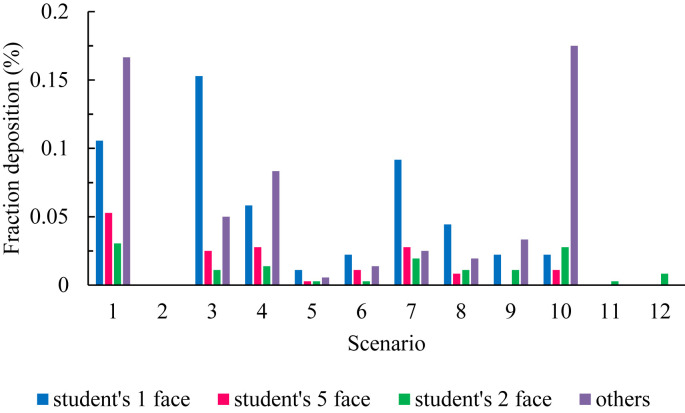
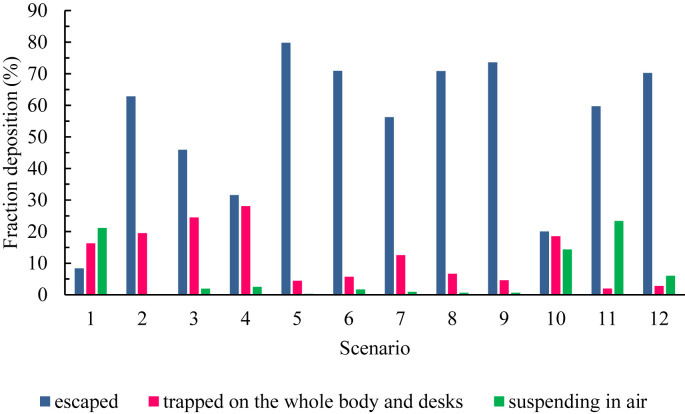
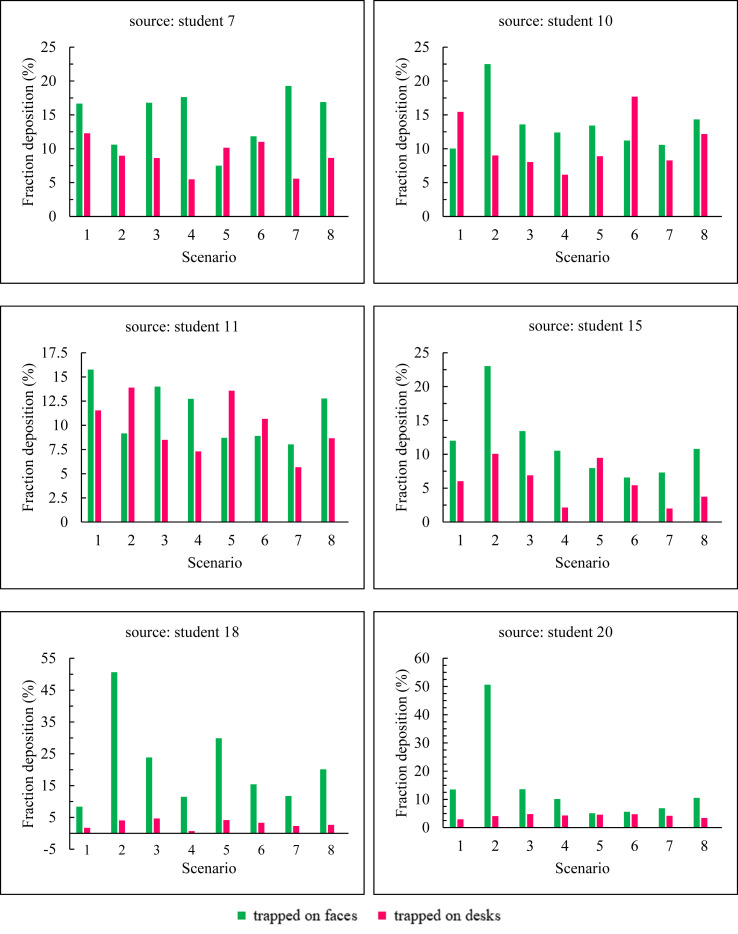
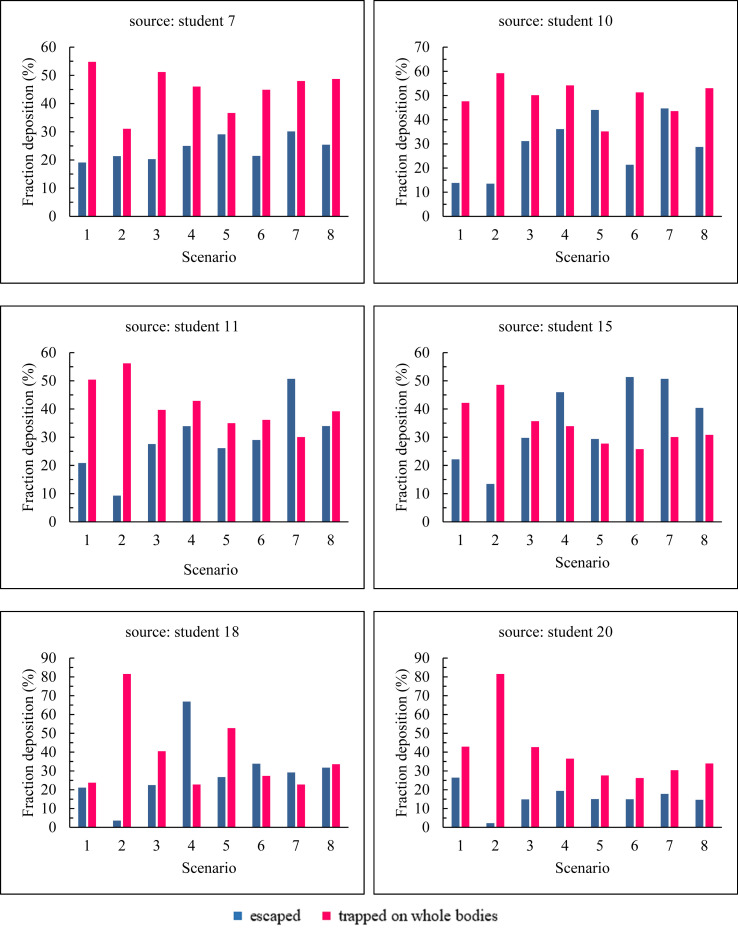
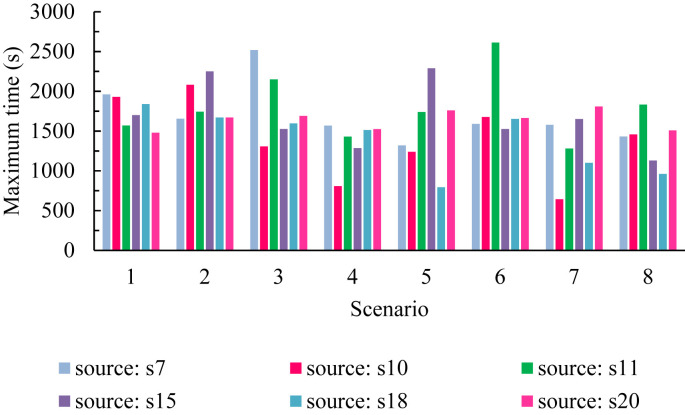
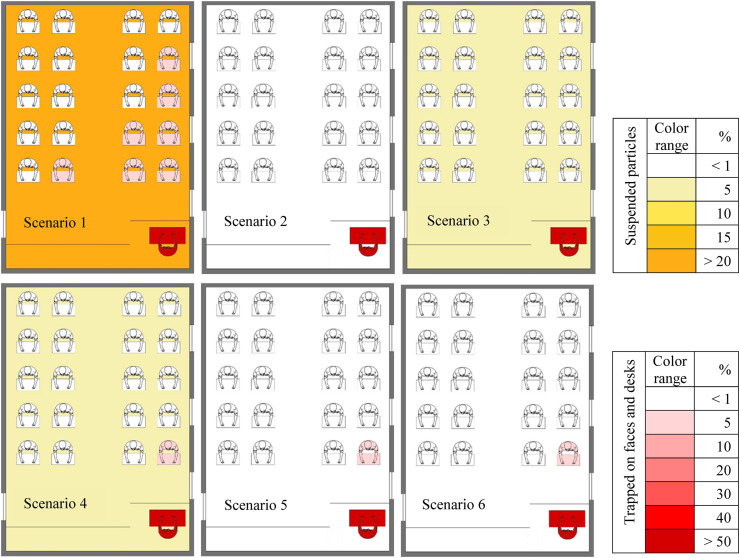
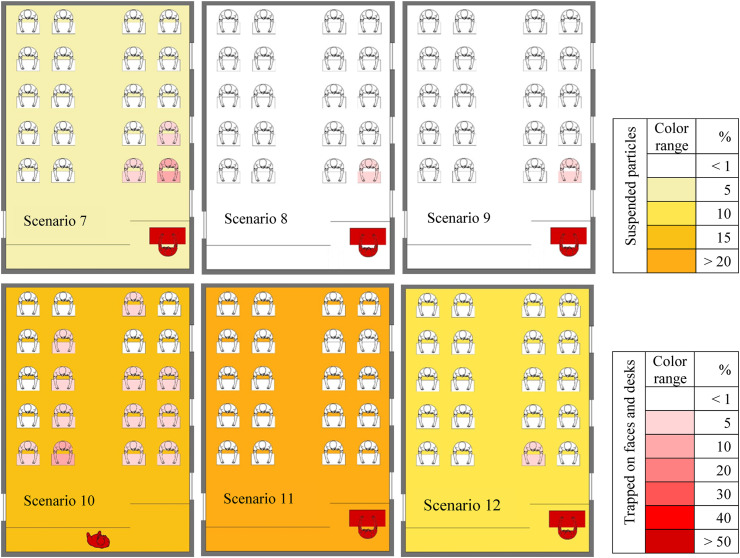
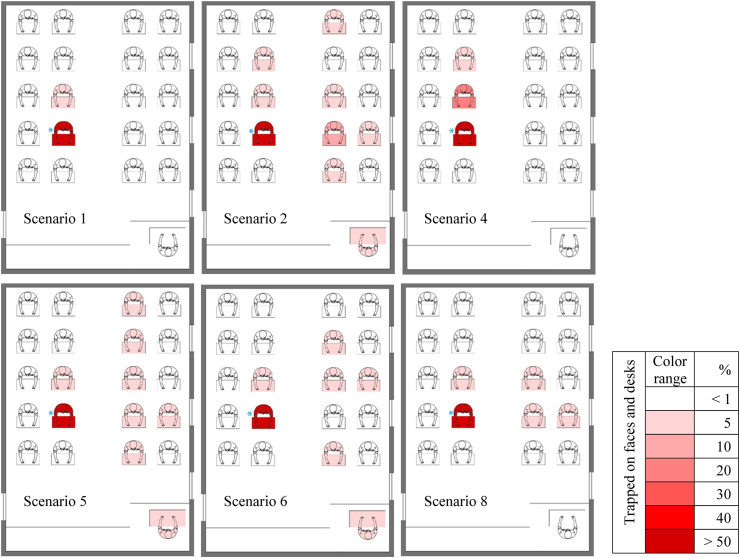
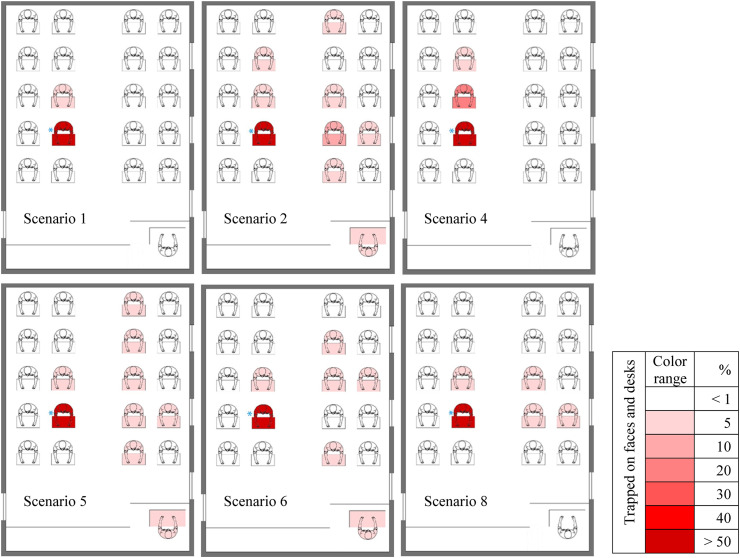
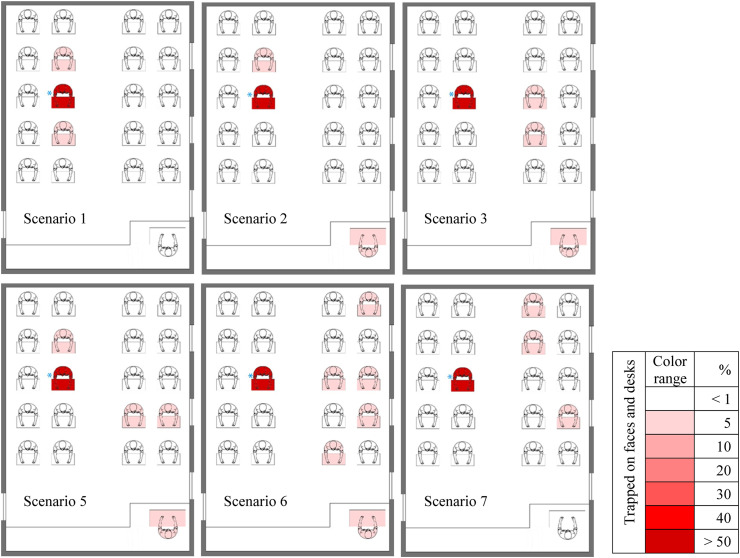
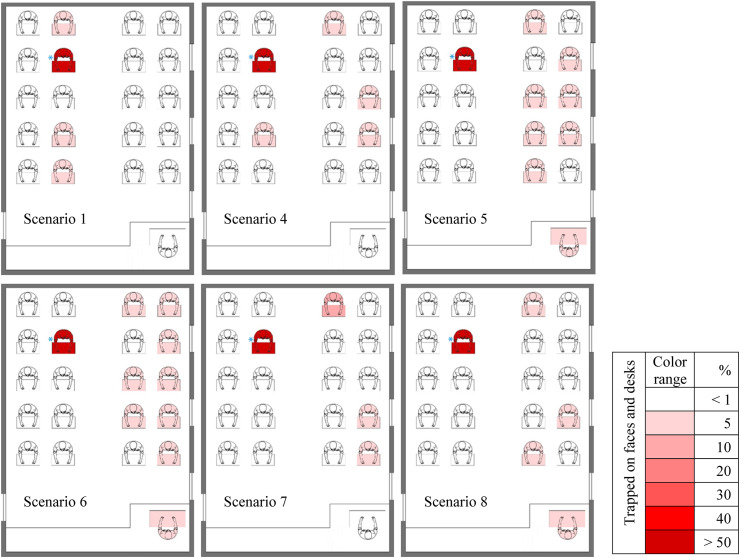
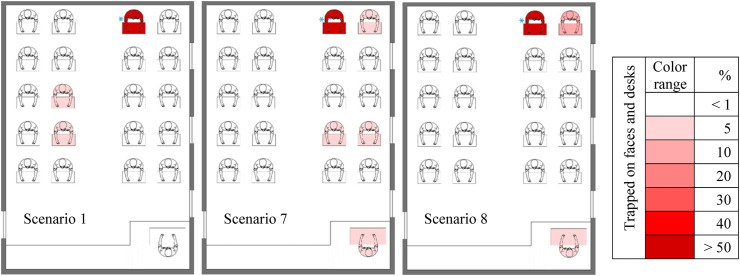
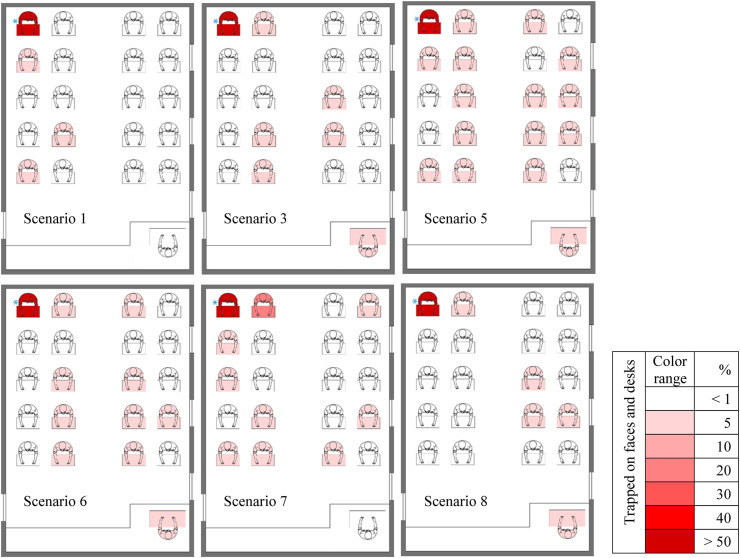
The effect of indoor airflow has been confirmed on the diffusion and transmission of droplets generated when talking or sneezing by a person with a viral respiratory infection such as COVID-19. The present study to investigate the effect of airflow in an indoor environment (a classroom) on the distribution and transmission of droplets emitted from speaking and cough by an infected person. A numerical analysis to investigate the persistence and deposition of particles on the surfaces of desks and the faces of residents (teacher and students) under various scenarios, including the opening of windows. This study puts forward two types of conditions while the teacher is speaking and the cough of some students for the distribution of pathogenic particles. Computational Fluid Dynamics used to conduct the study, using the Euler-Lagrange approach to capture the transport of the particles, and the RANS equations to compute the airflow field in the classroom. The results indicate the significant effect of air conditioning and open window close to the infected person in reducing environmental pathogens. Moreover, the concentrations of virus particles increase greatly near the output; hence, the presence of people in these areas increases the risk of contracting the disease. Furthermore, when all the windows are closed, due to the low output capacity, the particles spread in all areas of the domain and increase the risk of infection. Therefore, it is recommended that the window be open in indoors environment especially the window next to the speaker.
Keywords: CFD; Classroom; Deposition; Eulerian-Lagrangian model; SARS-CoV-2.
© 2021 Published by Elsevier Ltd.
Conflict of interest statement
The authors declare that they have no known competing financial interests or personal relationships that could have appeared to influence the work reported in this paper.
Figures
References
-
- Borro L., et al. ‘The role of air conditioning in the diffusion of Sars-CoV-2 in indoor environments: a first computational fluid dynamic model, based on investigations performed at the Vatican State Children's hospital’. Environ. Res. 2021;193 doi: 10.1016/j.envres.2020.110343. - DOI - PMC - PubMed
LinkOut - more resources
Full Text Sources
Miscellaneous