. 2021 Jun 18:2021:6641838.
doi: 10.1155/2021/6641838. eCollection 2021.

Analysis of Molecular Mechanism of Erxian Decoction in Treating Osteoporosis Based on Formula Optimization Model

Affiliations

Analysis of Molecular Mechanism of Erxian Decoction in Treating Osteoporosis Based on Formula Optimization Model

Lang Yang et al. Oxid Med Cell Longev. .

Abstract

Osteoporosis (OP) is a highly prevalent orthopedic condition in postmenopausal women and the elderly. Currently, OP treatments mainly include bisphosphonates, receptor activator of nuclear factor kappa-B ligand (RANKL) antibody therapy, selective estrogen receptor modulators, teriparatide (PTH1-34), and menopausal hormone therapy. However, increasing evidence has indicated these treatments may exert serious side effects. In recent years, Traditional Chinese Medicine (TCM) has become popular for treating orthopedic disorders. Erxian Decoction (EXD) is widely used for the clinical treatment of OP, but its underlying molecular mechanisms are unclear thanks to its multiple components and multiple target features. In this research, we designed a network pharmacology method, which used a novel node importance calculation model to identify critical response networks (CRNs) and effective proteins. Based on these proteins, a target coverage contribution (TCC) model was designed to infer a core active component group (CACG). This approach decoded the mechanisms underpinning EXD's role in OP therapy. Our data indicated that the drug response network mediated by the CACG effectively retained information of the component-target (C-T) network of pathogenic genes. Functional pathway enrichment analysis showed that EXD exerted therapeutic effects toward OP by targeting PI3K-Akt signaling (hsa04151), calcium signaling (hsa04020), apoptosis (hsa04210), estrogen signaling (hsa04915), and osteoclast differentiation (hsa04380) via JNK, AKT, and ERK. Our method furnishes a feasible methodological strategy for formula optimization and mechanism analysis and also supplies a reference scheme for the secondary development of the TCM formula.


Conflict of interest statement

The authors declare that they have no conflicts of interest.

Figures
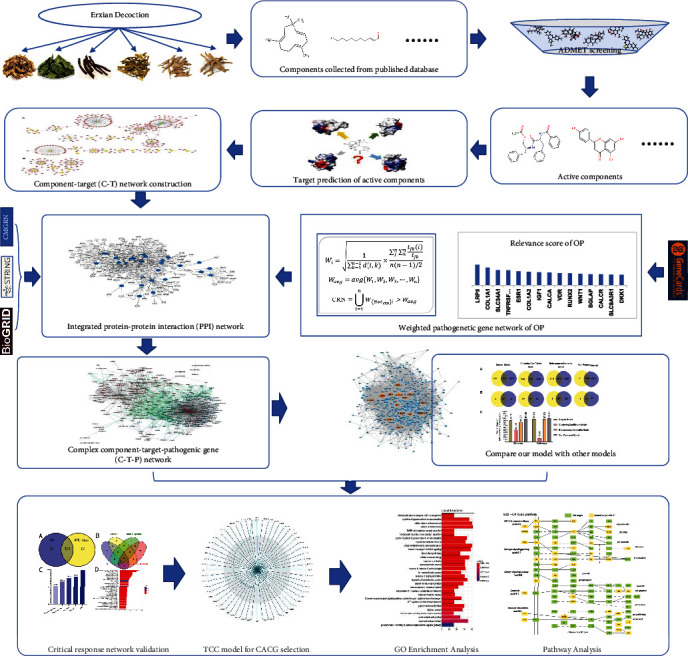
Figure 1
Figure 1
The network pharmacology approach. The following workflow was used in our proposed approach: (1) Known EXD components were collected from databases and active components derived by ADME screening. (2) All target genes of active ingredients were identified by using the prediction tools (SEA, HitPick, and Swiss Target Prediction), and a component-target (C-T) network was constructed. (3) OP pathogenic genes were identified from GeneCards and genes selected with relevance scores > 5 to construct a pathogenic gene network. (4) Through PPI network analysis of the C-T and pathogenic gene networks, a component-target-pathogenic gene (C-T-P) network was derived. (5) A node importance calculation method was then designed to capture the critical response network (CRN) and effective proteins. Then, the Kyoto Encyclopedia of Genes and Genomes pathway and Gene Ontology (GO) analyses were used to validate the CRN and effective proteins. (6) The TCC model was designed to select the core active component group (CACG) from the critical network. (7) Underlying EXD mechanisms for OP were deduced based on CACG.
Figure 2
Figure 2
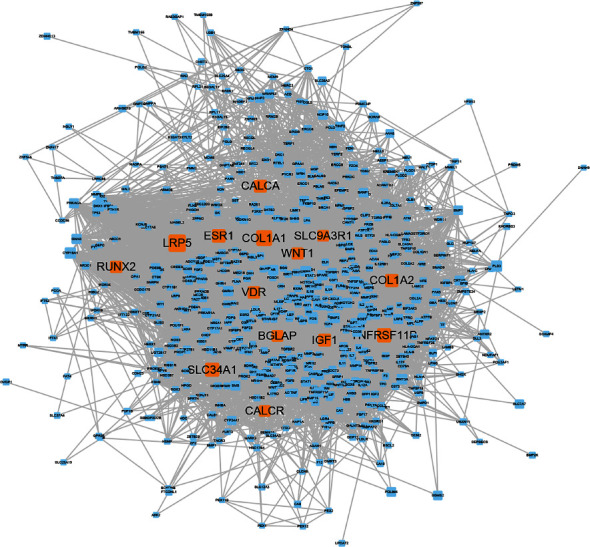
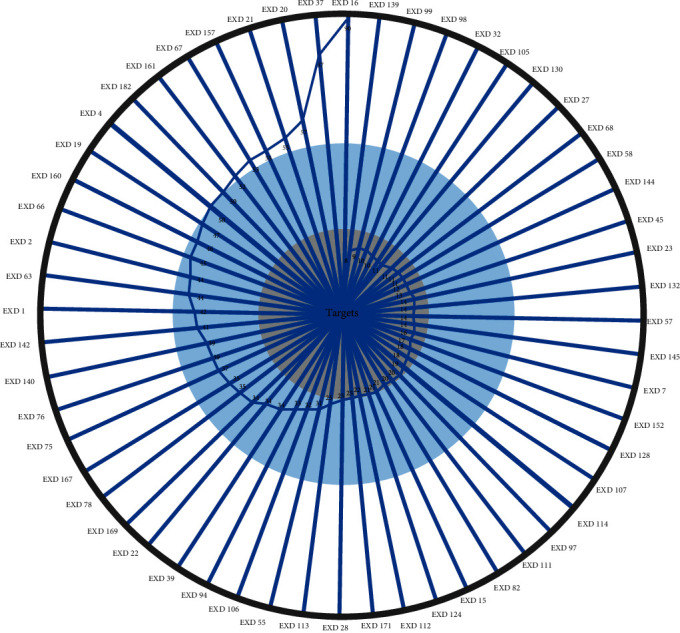
Weighted OP pathogenetic gene network. Node size represents “relevance scores,” and the orange nodes represent relevance scores > 40.
Figure 3
Figure 3
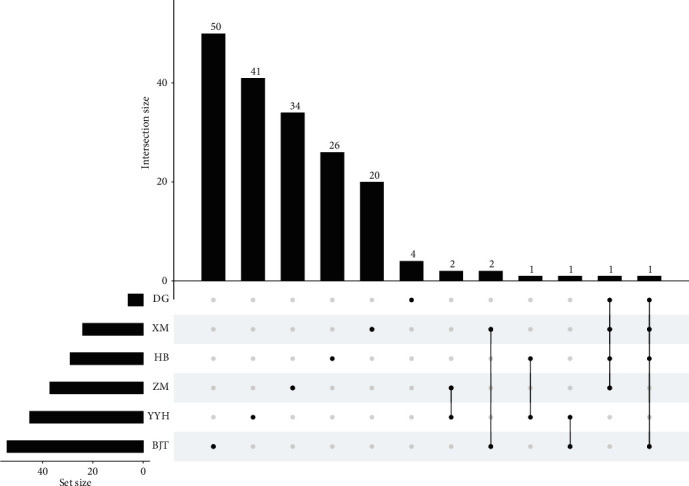
The frequency distributions of common and specific components in six herbs of EXD. UpSetR was used to map and plot points representing herbs, and corresponding histograms represented active component frequencies. Unconnected black dots referred to specific herb components. Linked dots represented shared active components.
Figure 4
Figure 4
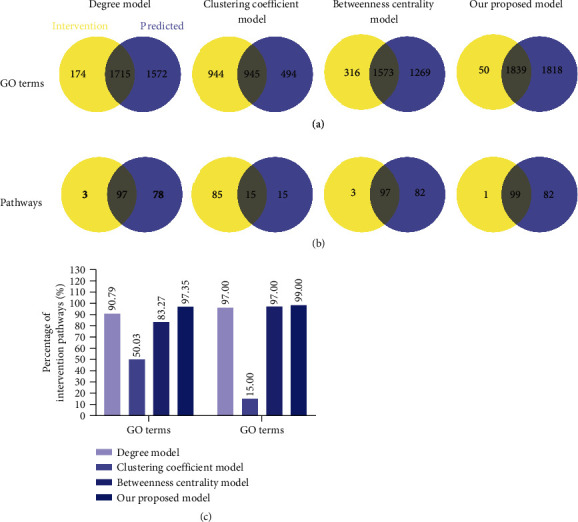
Compare our proposed model with other widely used models. (a) Venn diagrams display the number of overlapped GO terms of four models with main intervention GO terms. (b) Venn diagrams display the number of overlapped pathways of four models with intervention pathways, respectively. (c) Comparison of our model with other models on the intervention pathways and GO terms.
Figure 5
Figure 5
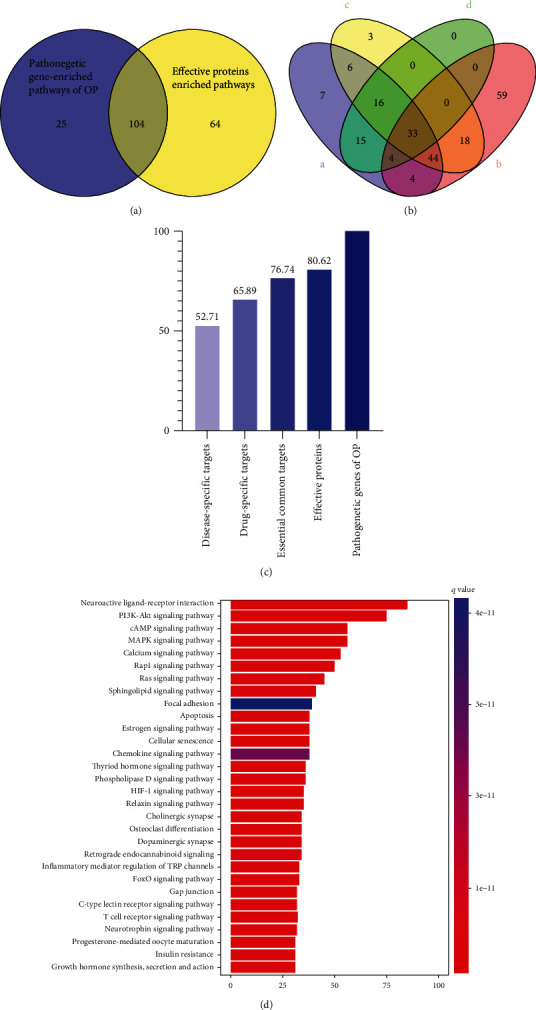
Critical response network validation. (a) Venn diagram shows enriched pathways of effective proteins and pathogenetic genes of OP; (b) Venn diagram displays enrichment pathways of essential component-specific targets, disease-specific targets, essential common targets, and pathogenetic genes of OP; (c) the coverage proportion of component-specific targets, disease-specific targets, common targets, and effective protein-enriched pathways compared with pathogenetic gene-enriched pathways of OP; (d) barplot for effective protein-enriched pathways.
Figure 6
Figure 6
Accumulative TCC scores of EXD active components. TCC scores were calculated according to the cumulative contribution rate of targets.
Figure 7
Figure 7
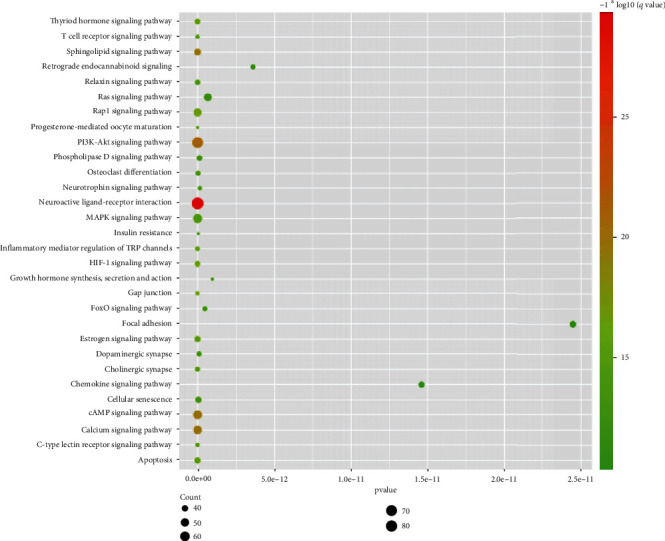
Pathway enrichment analysis of CACG targets for EXD. The list of top 30 enriched pathways.
Figure 8
Figure 8
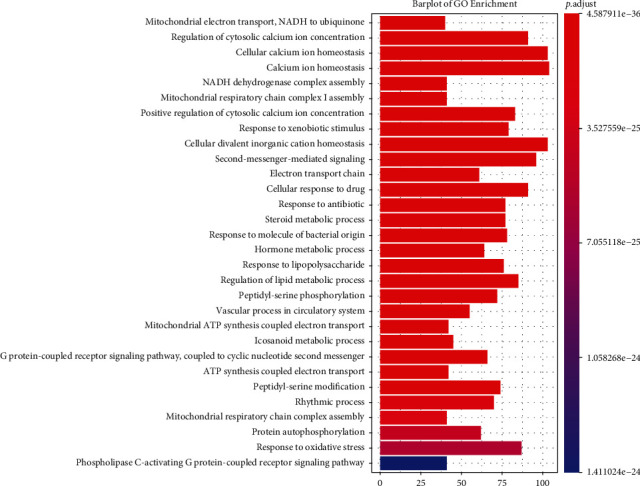
GO enrichment processing of CACG targets. The list of top 30 enriched GO terms.
Figure 9
Figure 9
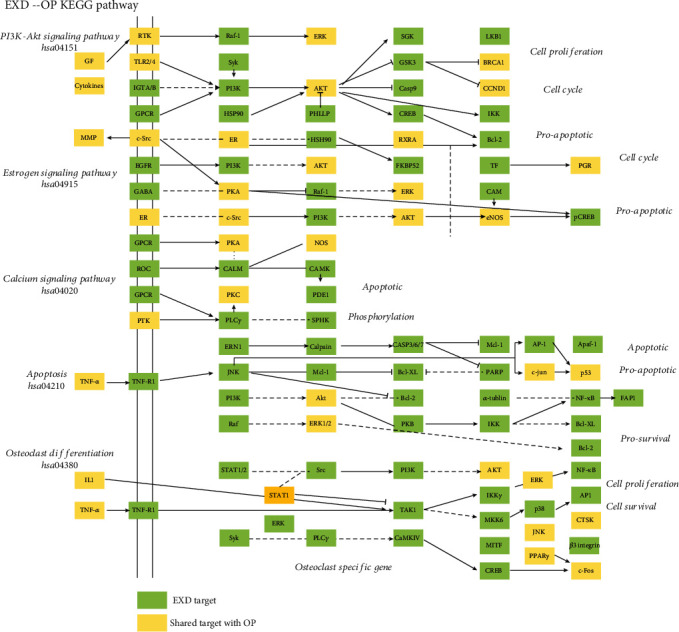
Distribution of CACG targets in EXD on the compressed OP pathway. The green nodes refer to unique CACG targets. Yellow nodes represent common CACG targets and OP pathogenic genes.
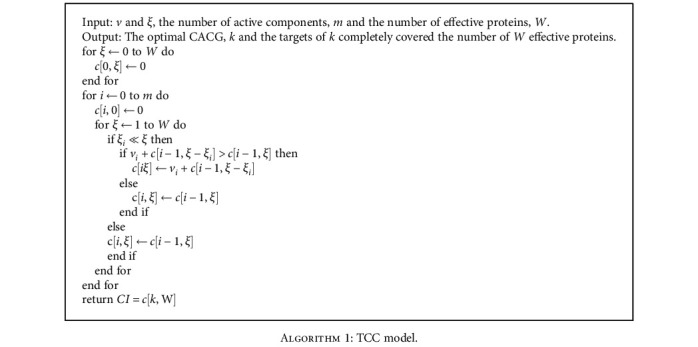
Algorithm 1
Algorithm 1
TCC model.

References

    1. Black D. M., Rosen C. J. Postmenopausal osteoporosis. The New England Journal of Medicine. 2016;374(3):254–262. doi: 10.1056/NEJMcp1513724. - DOI - PubMed
    1. Khosla S., Hofbauer L. C. Osteoporosis treatment: recent developments and ongoing challenges. The lancet Diabetes & Endocrinology. 2017;5(11):898–907. doi: 10.1016/s2213-8587(17)30188-2. - DOI - PMC - PubMed
    1. Wang N., Xin H., Xu P., Yu Z., Shou D. Erxian decoction attenuates TNF-α induced osteoblast apoptosis by modulating the Akt/Nrf2/HO-1 signaling pathway. Frontiers in Pharmacology. 2019;10:p. 988. doi: 10.3389/fphar.2019.00988. - DOI - PMC - PubMed
    1. Wang N., Xu P., Wang X., et al. Integrated pathological cell fishing and network pharmacology approach to investigate main active components of Er-Xian decotion for treating osteoporosis. Journal of Ethnopharmacology. 2019;241, article 111977 doi: 10.1016/j.jep.2019.111977. - DOI - PubMed
    1. Wong K. C., Lee K. S., Luk H. K., et al. Er-xian decoction exerts estrogen-like osteoprotective effects in vivo and in vitro. The American Journal of Chinese Medicine. 2014;42(2):409–426. doi: 10.1142/s0192415x1450027x. - DOI - PubMed