


Exploration of physiological sensors, features, and machine learning models for pain intensity estimation
- PMID: 34242325
- PMCID: PMC8270203
- DOI: 10.1371/journal.pone.0254108
Exploration of physiological sensors, features, and machine learning models for pain intensity estimation
Abstract
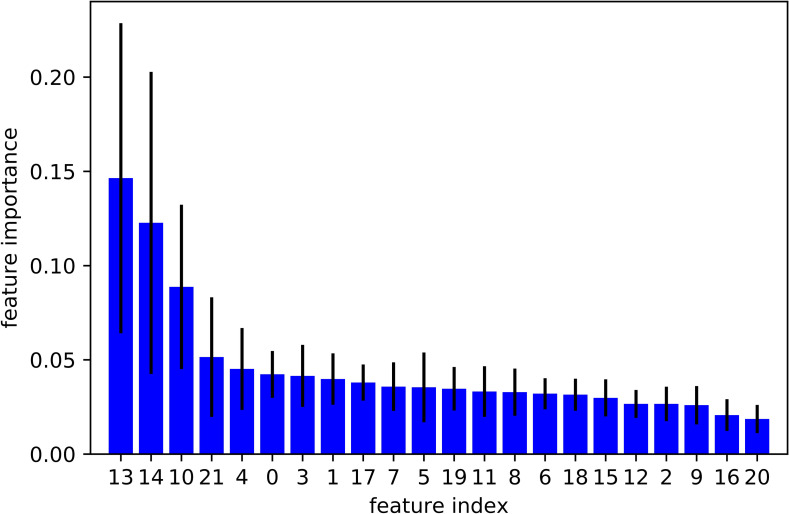
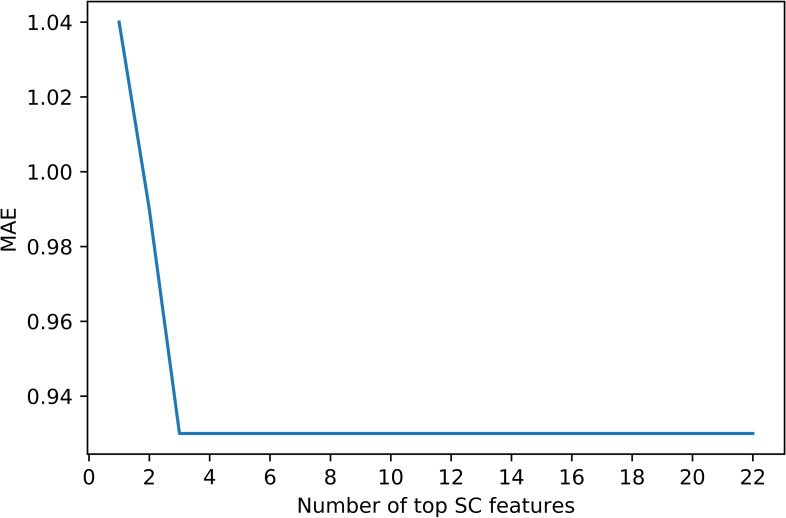
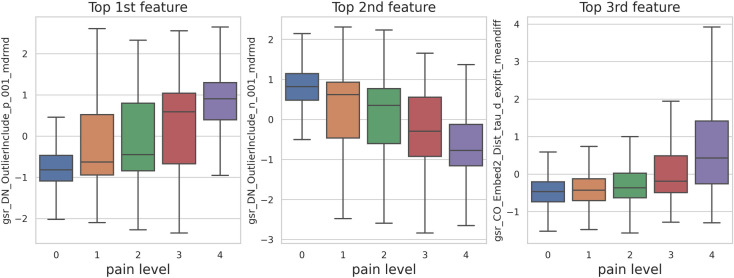
In current clinical settings, typically pain is measured by a patient's self-reported information. This subjective pain assessment results in suboptimal treatment plans, over-prescription of opioids, and drug-seeking behavior among patients. In the present study, we explored automatic objective pain intensity estimation machine learning models using inputs from physiological sensors. This study uses BioVid Heat Pain Dataset. We extracted features from Electrodermal Activity (EDA), Electrocardiogram (ECG), Electromyogram (EMG) signals collected from study participants subjected to heat pain. We built different machine learning models, including Linear Regression, Support Vector Regression (SVR), Neural Networks and Extreme Gradient Boosting for continuous value pain intensity estimation. Then we identified the physiological sensor, feature set and machine learning model that give the best predictive performance. We found that EDA is the most information-rich sensor for continuous pain intensity prediction. A set of only 3 features from EDA signals using SVR model gave an average performance of 0.93 mean absolute error (MAE) and 1.16 root means square error (RMSE) for the subject-independent model and of 0.92 MAE and 1.13 RMSE for subject-dependent. The MAE achieved with signal-feature-model combination is less than 1 unit on 0 to 4 continues pain scale, which is smaller than the MAE achieved by the methods reported in the literature. These results demonstrate that it is possible to estimate pain intensity of a patient using a computationally inexpensive machine learning model with 3 statistical features from EDA signal which can be collected from a wrist biosensor. This method paves a way to developing a wearable pain measurement device.
Conflict of interest statement
The authors have declared that no competing interests exist.
Figures
References
-
- Vila H, Smith RA, Augustyniak MJ, Nagi PA, Soto RG, Ross TW, et al.. The efficacy and safety of pain management before and after implementation of hospital-wide pain management standards: Is patient safety compromised by treatment based solely on numerical pain ratings? Anesth Analg. 2005;101: 474–480. doi: 10.1213/01.ANE.0000155970.45321.A8 - DOI - PubMed
Publication types
MeSH terms
LinkOut - more resources
Full Text Sources
Other Literature Sources
Medical
