


Public health messages on arboviruses transmitted by Aedes aegypti in Brazil
- PMID: 34243740
- PMCID: PMC8272386
- DOI: 10.1186/s12889-021-11339-x
Public health messages on arboviruses transmitted by Aedes aegypti in Brazil
Abstract
Background: The outbreak of Zika virus in Brazil in 2015 followed the arrival of chikungunya in 2014 and a long history of dengue circulation. Vital to the response to these outbreaks of mosquito-borne pathogens has been the dissemination of public health messages, including those promoted through risk communication posters. This study explores the content of a sample of posters circulated in Brazil towards the end of the Zika epidemic in 2017 and analyses their potential effectiveness in inducing behaviour change.
Methods: A content analysis was performed on 37 posters produced in Brazil to address outbreaks of mosquito-borne pathogens. The six variables of the Health Belief Model were used to assess the potential effectiveness of the posters to induce behaviour change.
Results: Three overarching key messages emerged from the posters. These included (i) the arboviruses and their outcomes, (ii) a battle against the mosquito, and (iii) a responsibility to protect and prevent. Among the six variables utilised through the Health Belief Model, cues to action were most commonly featured, whilst the perceived benefits of engaging in behaviours to prevent arbovirus transmission were the least commonly featured.
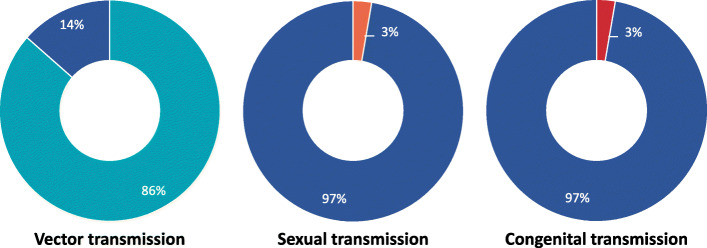
Conclusions: The posters largely focused on mosquito-borne transmission and the need to eliminate breeding sites, and neglected the risk of the sexual and congenital transmission of Zika and the importance of alternative preventive actions. This, we argue, may have limited the potential effectiveness of these posters to induce behaviour change.
Keywords: Arbovirus; Health belief model; Health communication; Poster; Public health messages; Zika.
© 2021. The Author(s).
Conflict of interest statement
The authors declare that they have no competing interests.
Figures

References
-
- Dyer O. Yellow fever stalks Brazil in Zika’s wake. Vol. 356, BMJ (Clinical research ed.). British Medical Journal Publishing Group; 2017. p. j707. 10.1136/bmj.j707. - PubMed
-
- Fernandes RS, O’connor O, Bersot MIL, Girault D, Dokunengo MR, Pocquet N, et al. Vector competence of aedes aegypti, aedes albopictus and culex quinquefasciatus from Brazil and New Caledonia for three zika virus lineages. Pathogens. 2020;9(7):1–17. doi: 10.3390/pathogens9070575. - DOI - PMC - PubMed
Publication types
MeSH terms
LinkOut - more resources
Full Text Sources
Medical
