


High flow nasal cannula for adult acute hypoxemic respiratory failure in the ED setting
- PMID: 34246166
- PMCID: PMC8555976
- DOI: 10.1016/j.ajem.2021.06.074
High flow nasal cannula for adult acute hypoxemic respiratory failure in the ED setting
Abstract
Introduction: High flow nasal cannula (HFNC) is a noninvasive ventilation (NIV) system that has demonstrated promise in the emergency department (ED) setting.
Objective: This narrative review evaluates the utility of HFNC in adult patients with acute hypoxemic respiratory failure in the ED setting.
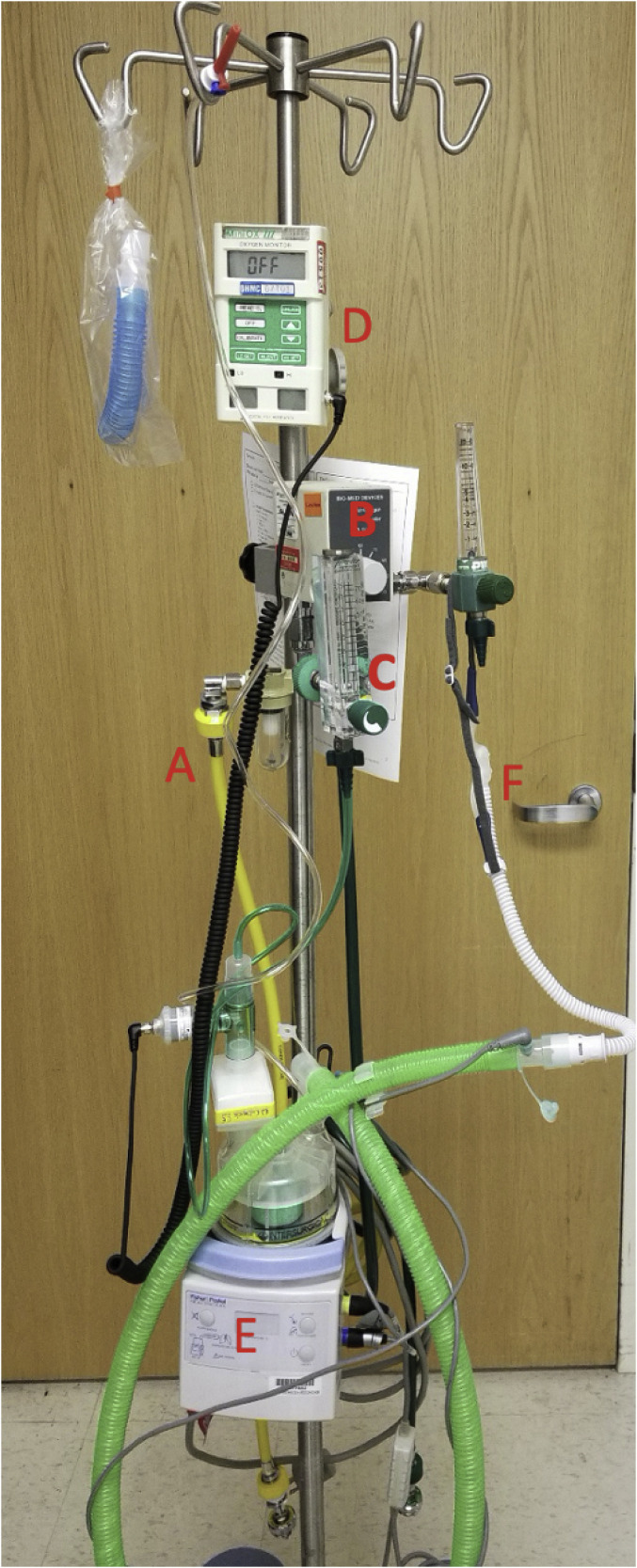
Discussion: HFNC provides warm (37 °C), humidified (100% relative humidity) oxygen at high flows with a reliable fraction of inspired oxygen (FiO2). HFNC can improve oxygenation, reduce airway resistance, provide humidified flow that can flush anatomical dead space, and provide a low amount of positive end expiratory pressure. Recent literature has demonstrated efficacy in acute hypoxemic respiratory failure, including pneumonia, acute respiratory distress syndrome (ARDS), coronavirus disease 2019 (COVID-19), interstitial lung disease, immunocompromised states, the peri-intubation state, and palliative care, with reduced need for intubation, length of stay, and mortality in some of these conditions. Individual patient factors play an important role in infection control risks with respect to the use of HFNC in patients with COVID-19. Appropriate personal protective equipment, adherence to hand hygiene, surgical mask placement over the HFNC device, and environmental controls promoting adequate room ventilation are the foundation for protecting healthcare personnel. Frequent reassessment of the patient placed on HFNC is necessary; those with severe end organ dysfunction, thoracoabdominal asynchrony, significantly increased respiratory rate, poor oxygenation despite HFNC, and tachycardia are at increased risk of HFNC failure and need for further intervention.
Conclusions: HFNC demonstrates promise in several conditions requiring respiratory support. Further randomized trials are needed in the ED setting.
Keywords: Acute hypoxemic respiratory failure; COVID-19; High-flow nasal cannula; Noninvasive ventilation.
Published by Elsevier Inc.
Conflict of interest statement
Declaration of Competing Interest None.
Figures
Comment in
-
High flow nasal cannula in acute exacerbation of chronic obstructive pulmonary disease.Am J Emerg Med. 2021 Oct;48:333-334. doi: 10.1016/j.ajem.2021.08.009. Epub 2021 Aug 8. Am J Emerg Med. 2021. PMID: 34391582 No abstract available.
-
High flow nasal therapy in Acute Exacerbation of COPD: Ready for the prime time?Am J Emerg Med. 2021 Oct;48:331-332. doi: 10.1016/j.ajem.2021.08.011. Epub 2021 Aug 8. Am J Emerg Med. 2021. PMID: 34391583 No abstract available.
-
High flow nasal cannula: The importance of patient selection and monitoring.Am J Emerg Med. 2022 Jul;57:185-186. doi: 10.1016/j.ajem.2021.12.047. Epub 2021 Dec 24. Am J Emerg Med. 2022. PMID: 34969559 No abstract available.
-
Strategies for monitoring and predicting failure to high-flow nasal cannula therapy in the ED.Am J Emerg Med. 2022 Jul;57:183-184. doi: 10.1016/j.ajem.2021.12.046. Epub 2021 Dec 24. Am J Emerg Med. 2022. PMID: 35058084 No abstract available.
References
-
- Drake M.G. High-flow nasal cannula oxygen in adults: an evidence-based assessment. Ann Am Thorac Soc. 2018 Feb;15(2):145–155. - PubMed
-
- Waldau T., Larsen V.H., Bonde J. Evaluation of five oxygen delivery devices in spontaneously breathing subjects by oxygraphy. Anaesthesia. 1998;53:256–263. - PubMed
-
- Puddy A., Younes M. Effect of inspiratory flow rate on respiratory output in normal subjects. Am Rev Respir Dis. 1992;146:787–789. - PubMed
-
- Roca O., Riera J., Torres F., Masclans J.R. High-flow oxygen therapy in acute respiratory failure. Respir Care. 2010;55:408–413. - PubMed
Publication types
MeSH terms
LinkOut - more resources
Full Text Sources
Medical
