


Antioxidant Therapy and Antioxidant-Related Bionanomaterials in Diabetic Wound Healing
- PMID: 34249895
- PMCID: PMC8264455
- DOI: 10.3389/fbioe.2021.707479
Antioxidant Therapy and Antioxidant-Related Bionanomaterials in Diabetic Wound Healing
Abstract
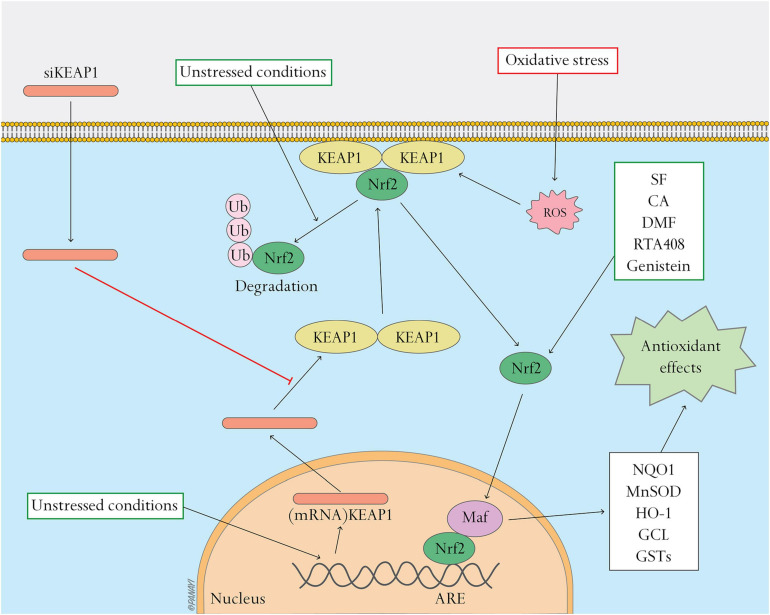
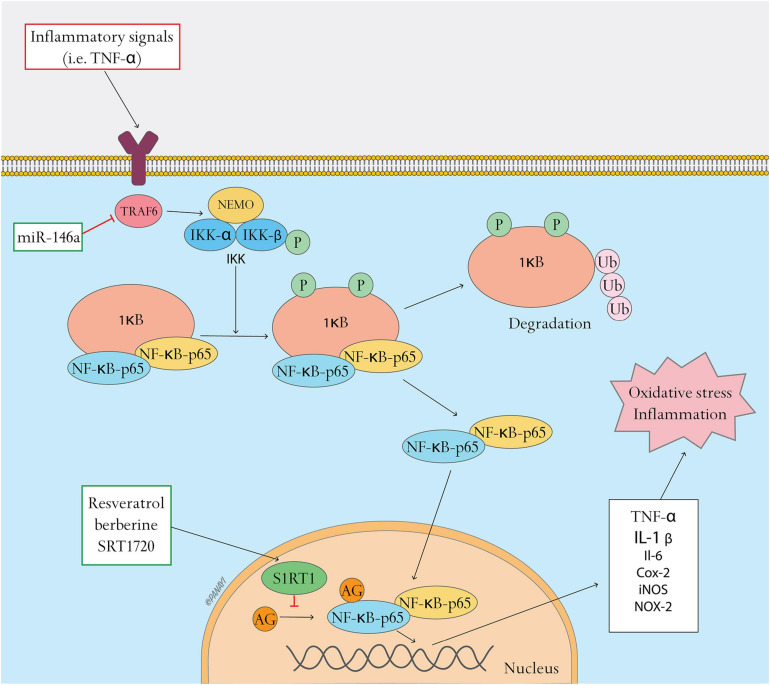
Ulcers are a lower-extremity complication of diabetes with high recurrence rates. Oxidative stress has been identified as a key factor in impaired diabetic wound healing. Hyperglycemia induces an accumulation of intracellular reactive oxygen species (ROS) and advanced glycation end products, activation of intracellular metabolic pathways, such as the polyol pathway, and PKC signaling leading to suppression of antioxidant enzymes and compounds. Excessive and uncontrolled oxidative stress impairs the function of cells involved in the wound healing process, resulting in chronic non-healing wounds. Given the central role of oxidative stress in the pathology of diabetic ulcers, we performed a comprehensive review on the mechanism of oxidative stress in diabetic wound healing, focusing on the progress of antioxidant therapeutics. We summarize the antioxidant therapies proposed in the past 5 years for use in diabetic wound healing, including Nrf2- and NFκB-pathway-related antioxidant therapy, vitamins, enzymes, hormones, medicinal plants, and biological materials.
Keywords: antioxidative therapy; bionanomaterials; diabetes mellitus; oxidative stress; wound healing.
Copyright © 2021 Zhang, Chen, Xiong, Panayi, Abududilibaier, Hu, Yu, Zhou, Sun, Liu, Xue, Hu, Yan, Xie, Lin, Cao, Mi and Liu.
Conflict of interest statement
The authors declare that the research was conducted in the absence of any commercial or financial relationships that could be construed as a potential conflict of interest.
Figures
References
-
- Ahmed O. M., Mohamed T., Moustafa H., Hamdy H., Ahmed R. R., Aboud E. (2018). Quercetin and low level laser therapy promote wound healing process in diabetic rats via structural reorganization and modulatory effects on inflammation and oxidative stress. Biomed. Pharmacother. 101 58–73. 10.1016/j.biopha.2018.02.040 - DOI - PubMed
Publication types
LinkOut - more resources
Full Text Sources
Miscellaneous
