. 2020 Nov;1(11):1041-1053.
doi: 10.1038/s43018-020-00141-0. Epub 2020 Nov 17.

Accelerating precision medicine in metastatic prostate cancer

Affiliations

Accelerating precision medicine in metastatic prostate cancer

Joaquin Mateo et al. Nat Cancer. 2020 Nov.

Abstract

Despite advances in prostate cancer screening and treatment, available therapy options, particularly in later stages of the disease, remain limited and the treatment-resistant setting represents a serious unmet medical need. Moreover, disease heterogeneity and disparities in patient access to medical advances result in significant variability in outcomes across patients. Disease classification based on genomic sequencing is a promising approach to identify patients whose tumors exhibit actionable targets and make more informed treatment decisions. Here we discuss how we can accelerate precision oncology to inform broader genomically-driven clinical decisions for men with advanced prostate cancer, drug development and ultimately contribute to new treatment paradigms.


Conflict of interest statement

Competing Interests Statement. J.M. reports advisory board participation for Amgen, AstraZeneca, Roche, Janssen, MSD and Clovis Oncology; research funding from AstraZeneca and Pfizer Oncology; W.A. reports consulting /advisory for Clovis, Janssen, More Health, ORIC, Daiichi Sankyo; research funding from AstraZeneca, Zenith Epigenetics, Clovis, GlaxoSmithKline, ORIC, Epizyme; travel from GlaxoSmithKline, Clovis, ORIC; and honoraria from CARET. R.R.M. received research funding from Bayer, Pfizer, Tempus; serves on Advisory Board for Bayer, Bristol Myers Squib, Exelixis, Janssen, Novartis, Pfizer, Sanofi, Tempus; is a consultant for Dendreon, Vividion. R.A. reports advisory board participation and research funding from Merck, AstraZeneca, and Janssen; B.M. reports research funding from AstraZeneca, Janssen, Clovis, Astellas, Beigene; M.R. reports consulting: Amgen, Ambryx, Constellation; educational writing and consulting: Plexus; speaking: Bayer, Janssen; funding and clinical research support: Novartis, Astellas, Medivation, Merck; D.B.S. has consulted for/received honoraria from Pfizer, Loxo Oncology, Lilly Oncology, BioBridge, Vivideon Therapeutics, and Illumina; E.V. reports advisory/consulting: Tango Therapeutics, Genome Medical, Invitae, Enara Bio, Janssen, Manifold Bio, Monte Rosa; research support: Novartis, BMS; Equity: Tango Therapeutics, Genome Medical, Syapse, Enara Bio, Manifold Bio, Microsoft, Monte Rosa; travel reimbursement: Roche/Genentech; institutional patents on chromatin mutations and immunotherapy response, and methods for clinical interpretation; D.V. reports honoraria from Clovis Oncology. H.B. reports advisory/consulting from Janssen, Amgen, Astra Zeneca, Pfizer, Astellas, Sanofi Genzyme and research funding from Janssen, Abbvie Stemcentryx, Eli Lilly, Millenium, Astellas. J.V. is employed by the Prostate Cancer Clinical Trials Consortium. H.R.S., J.W.S., and A.K.M. are employed by the Prostate Cancer Foundation.

Figures
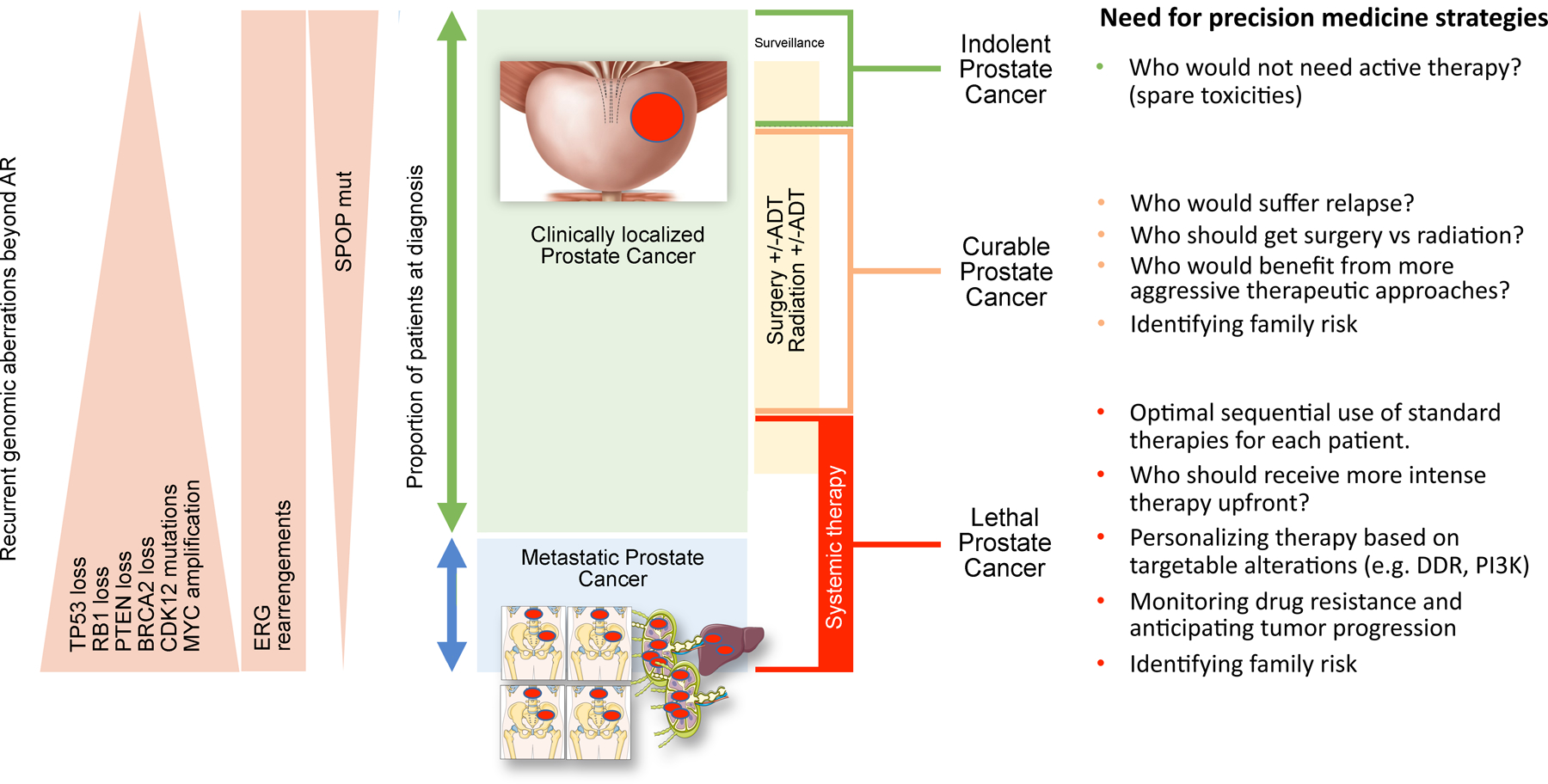
Figure 1.
Figure 1.. The unmet need of precision medicine across different clinical states of prostate cancer.
Prostate cancer encompasses a variety of diseases, ranging from indolent to lethal tumors. Localized prostate cancers are managed with active surveillance or treated with surgery, radiation and/or ADT (androgen deprivation therapy). Metastatic prostate cancer is enriched for loss of tumor suppressor genes and MYC amplification, as depicted in the left panel; some of these alterations may be relevant to predict outcome to targeted therapies. The right panel lists key questions that can be addressed by precision medicine studies across the disease spectrum to improve patient outcome.
Figure 2.
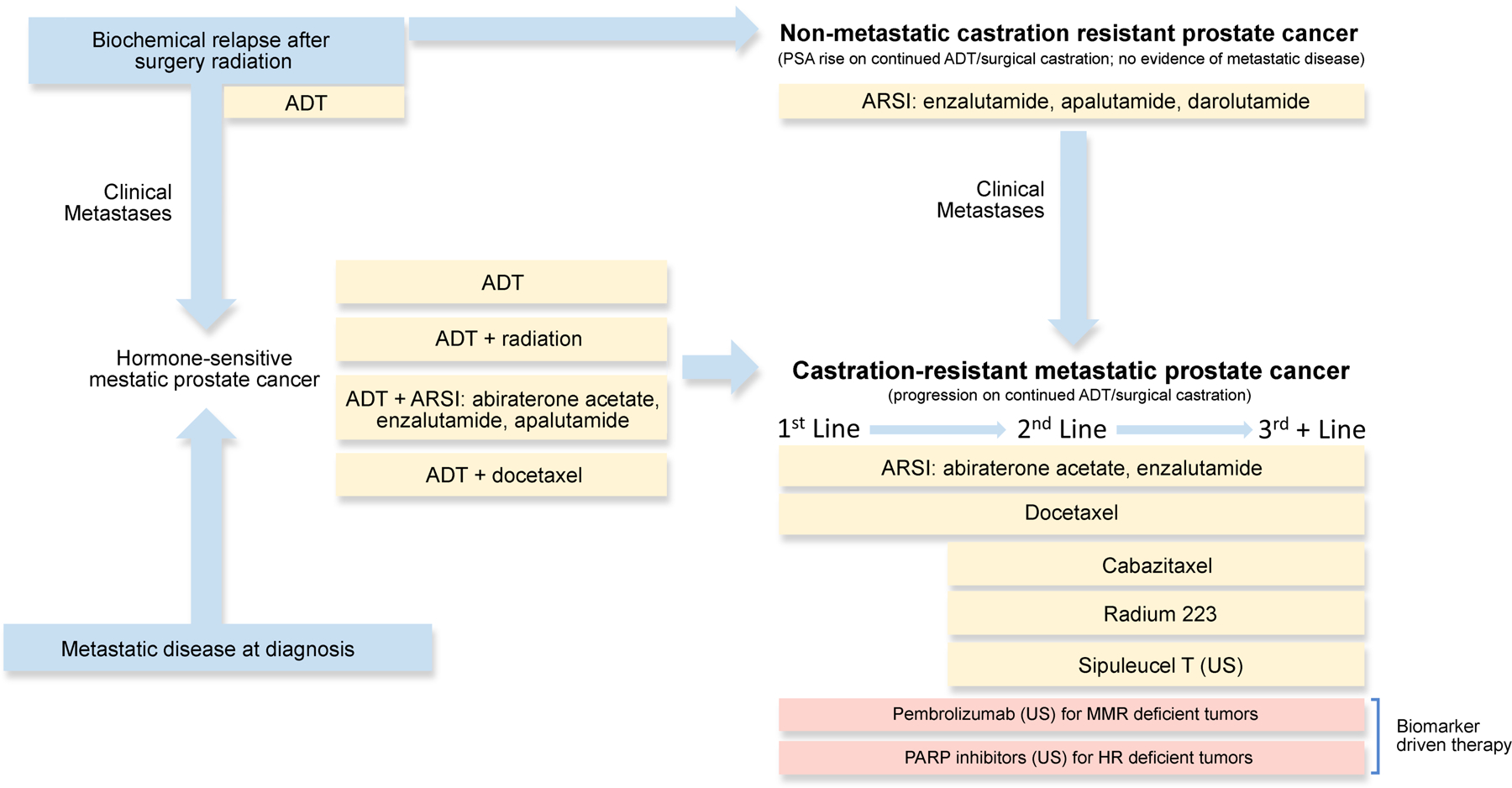
Figure 2.. Current therapeutic landscape for different clinical states of advanced forms of prostate cancer.
Summary of currently approved therapeutic strategies across advanced prostate cancer. Biochemical relapse after local therapy (top left) can evolve towards emergence of metastasis (left, center) or, alternative, the development of castration-resistant disease in the absence of visible metastatic disease (top right) nonmetastatic castration-resistant prostate cancer). Once metastatic castration-resistant prostate cancer (mCRPC, bottom right) ensues, several therapies are available but there are few tools to prioritize them for each individual patient as subsequent lines of therapy. Some of these approvals refer to the United States only (indicated as “US” in brackets) as of Sept-2020. Yellow boxes indicate drugs approved irrespectively of molecular profiling, whereas pink text boxes show biomarker-driven therapies, approved only for molecularly-defined subpopulations. ADT: androgen deprivation therapy; ARSI: androgen receptor signaling inhibitor.
Figure 3.
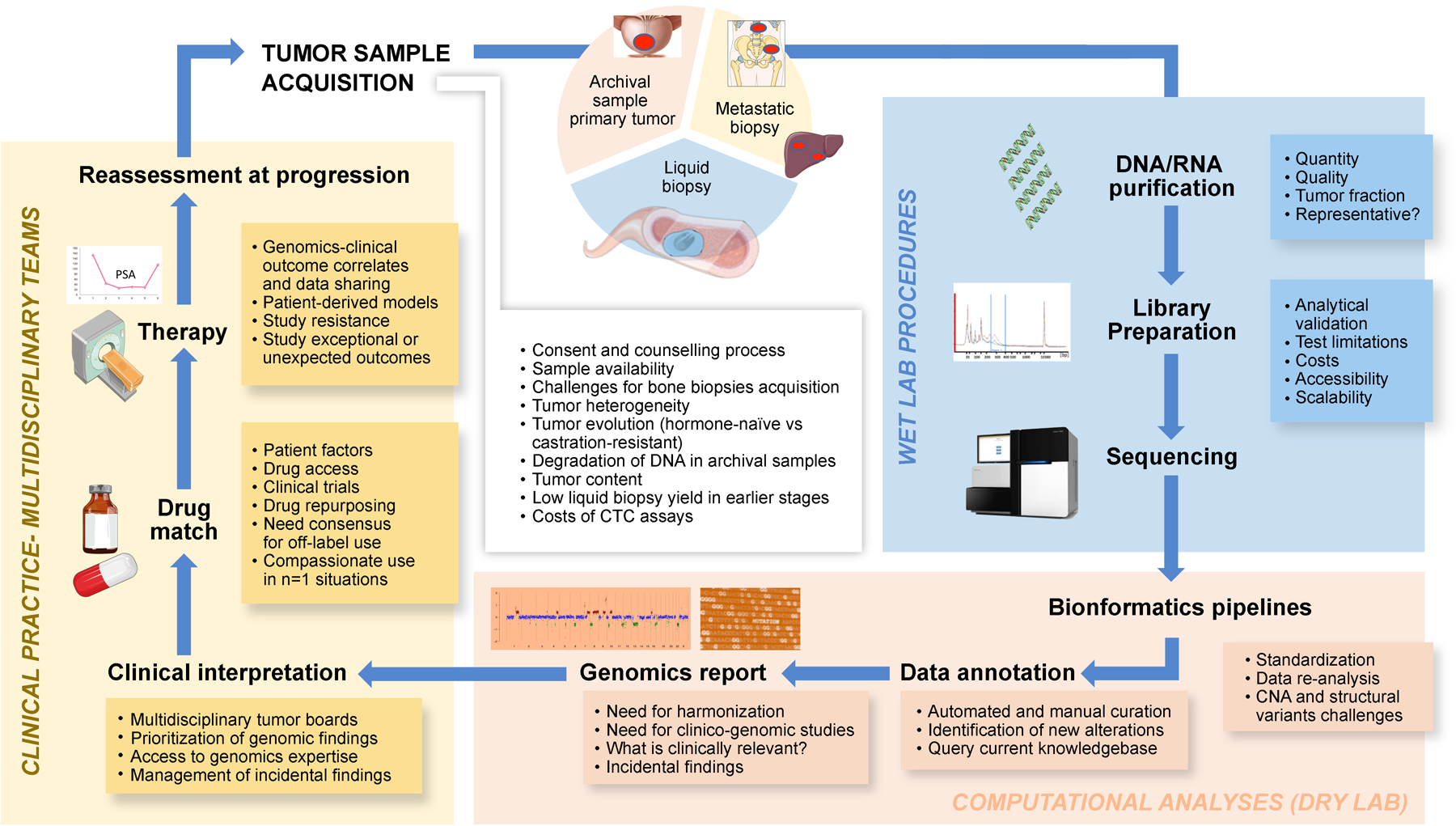
Figure 3.. Proposed workflow for implementation of genomic testing in prostate cancer clinical practice, from sample acquisition to clinical-decision making.
Suitable sources of tumor material for genomic testing include biopsies of the primary or metastatic tumors, or circulating tumor material (top panel). First, tumor DNA/RNA is to be isolated, and sequenced (blue panel); next-generation sequencing (NGS) data is to be processed and reported to physicians (orange panel). These data would then be integrated into the treatment clinical-decision making (yellow panel). The textbox list key concepts to consider at each step of the genomic testing workflow. CTC: circulating tumor cells; CNA: copy-number alterations
Figure 4.
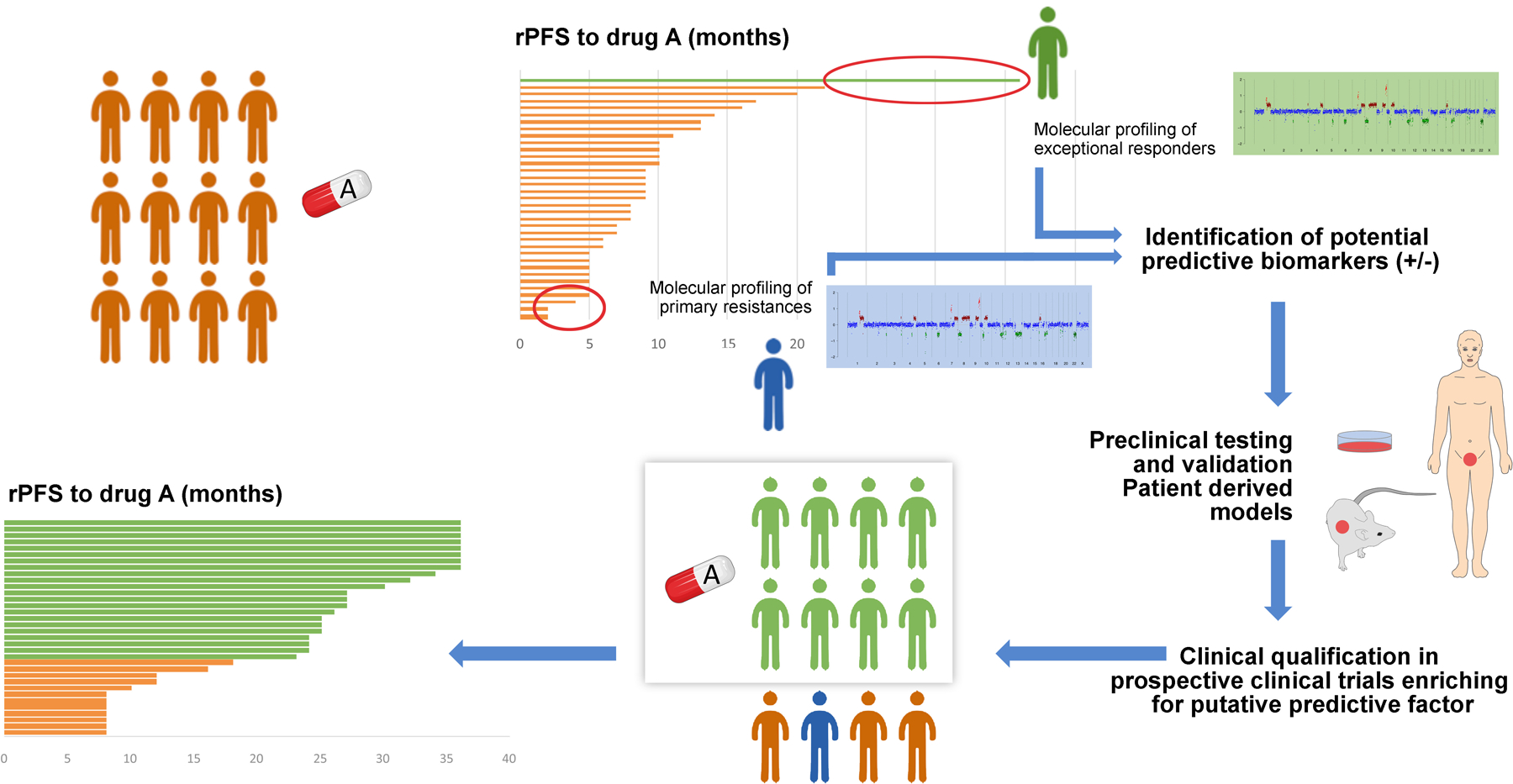
Figure 4.. Learning from exceptional responders.
The diagram represents how the study of exceptional responders can lead to advances in prostate cancer treatment. In the top left, a group of patients with prostate cancer receive treatment “A”. The swimmers plot shows how only some patients (in green) achieve a long-lasting response, whereas other patients (in blue) are primarily resistant to drug “A”. Comparing the molecular profiles of sensitive (green) vs resistant (blue) patients may lead to identification of putative relevant predictive biomarkers of response and resistance, to be validated in functional laboratory studies (right panel). Biologically validated biomarkers would then be tested back in clinical trials for clinical qualification, ideally enriched for those patients presenting the biomarker of interest (“green” patients in the figure). If qualified, this enrichment would lead to improved outcome on treatment “A” for patients with the putative biomarker (waterfall plot in the bottom left panel). rPFS: radiographic progression-free survival

References

    1. Bray F et al. , Global cancer statistics 2018: GLOBOCAN estimates of incidence and mortality worldwide for 36 cancers in 185 countries. CA Cancer J Clin 68, 394–424 (2018). - PubMed
    1. Eggener SE et al. , Molecular Biomarkers in Localized Prostate Cancer: ASCO Guideline. J Clin Oncol 38, 1474–1494 (2020). - PubMed
    1. Sonni I et al. , Impact of. J Nucl Med, (2020).
    1. Klotz L et al. , Active Surveillance Magnetic Resonance Imaging Study (ASIST): Results of a Randomized Multicenter Prospective Trial. Eur Urol 75, 300–309 (2019). - PubMed

    1. Kasivisvanathan V et al. , MRI-Targeted or Standard Biopsy for Prostate-Cancer Diagnosis. N Engl J Med 378, 1767–1777 (2018). - PMC - PubMed

Publication types

Substances