


Predictors of osteoradionecrosis following irradiated tooth extraction
- PMID: 34261515
- PMCID: PMC8278595
- DOI: 10.1186/s13014-021-01851-0
Predictors of osteoradionecrosis following irradiated tooth extraction
Abstract
Background: Tooth extraction post radiotherapy is one of the most important risk factors of osteoradionecrosis of the jawbones. The objective of this study was to determine the predictors of osteoradionecrosis (ORN) which were associated with a dental extraction post radiotherapy.
Methods: A retrospective analysis of medical records and dental panoramic tomogram (DPT) of patients with a history of head and neck radiotherapy who underwent dental extraction between August 2005 to October 2019 was conducted.
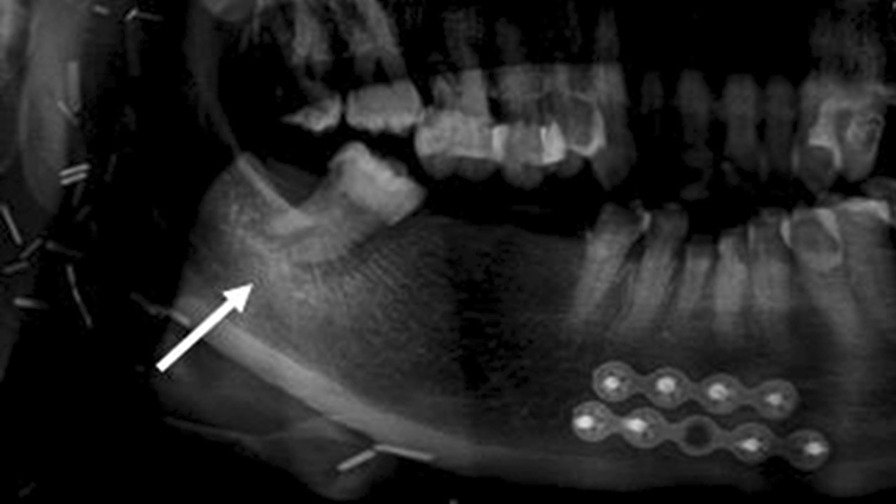
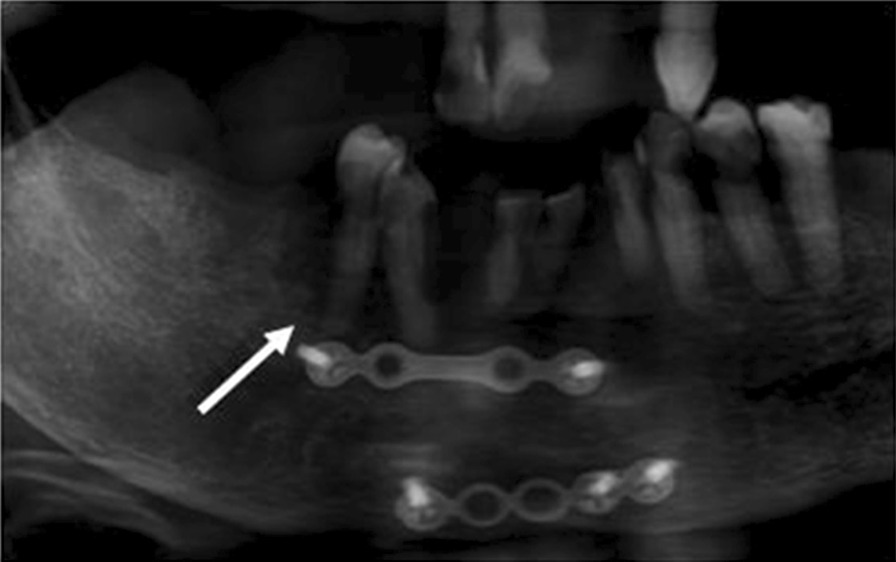
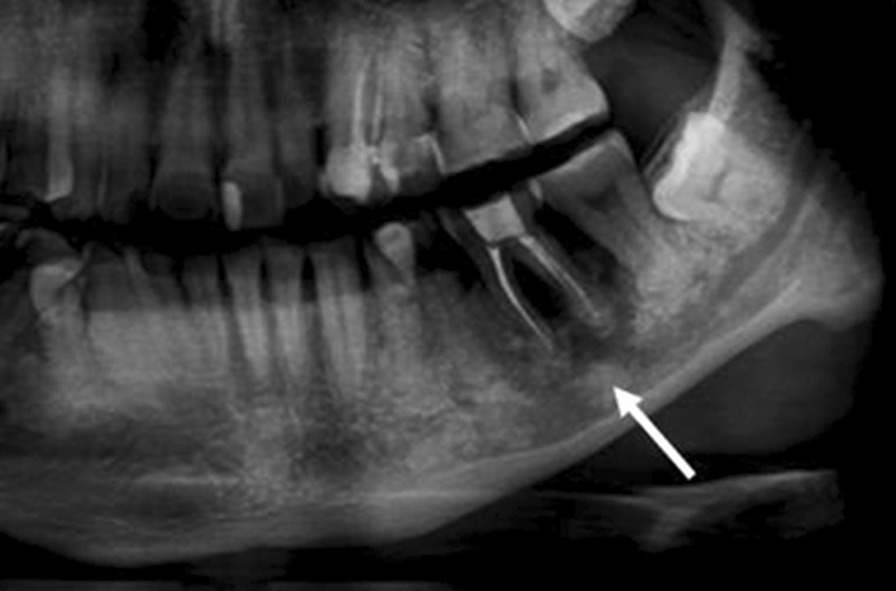
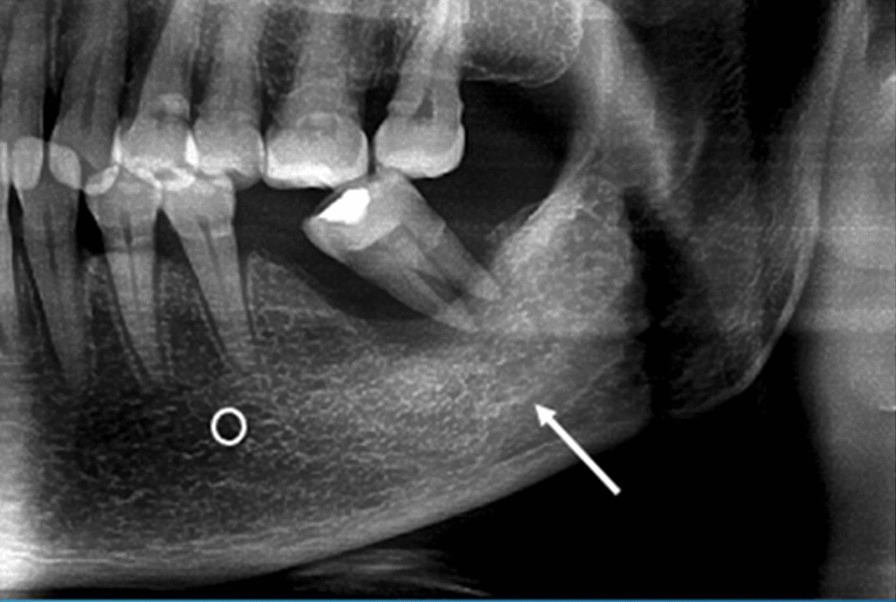
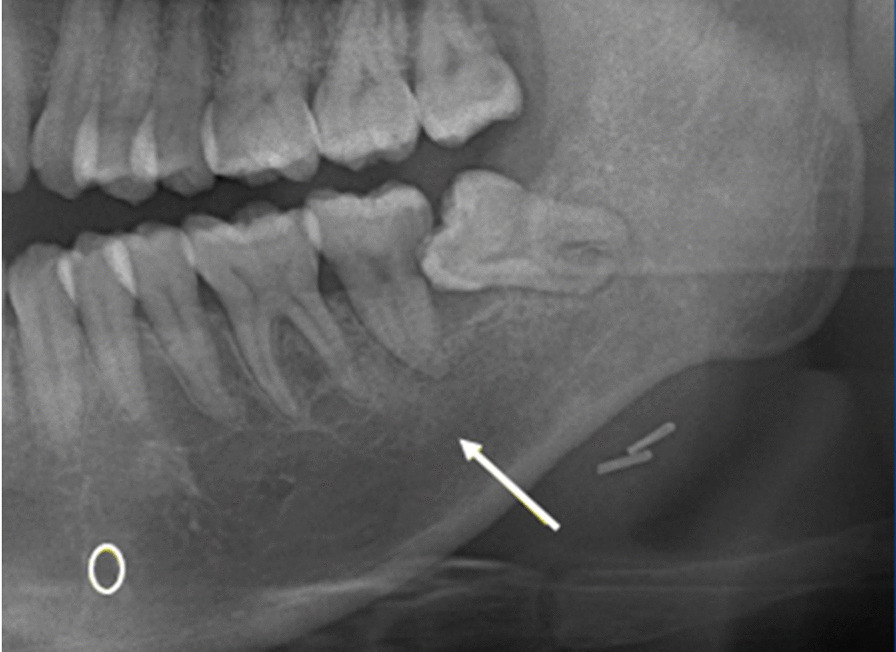
Results: Seventy-three patients fulfilled the inclusion criteria. 16 (21.9%) had ORN post dental extraction and 389 teeth were extracted. 33 sockets (8.5%) developed ORN. Univariate analyses showed significant associations with ORN for the following factors: tooth type, tooth pathology, surgical procedure, primary closure, target volume, total dose, timing of extraction post radiotherapy, bony changes at extraction site and visibility of lower and upper cortical line of mandibular canal. Using multivariate analysis, the odds of developing an ORN from a surgical procedure was 6.50 (CI 1.37-30.91, p = 0.02). Dental extraction of more than 5 years after radiotherapy and invisible upper cortical line of mandibular canal on the DPT have the odds of 0.06 (CI 0.01-0.25, p < 0.001) and 9.47 (CI 1.61-55.88, p = 0.01), respectively.
Conclusion: Extraction more than 5 years after radiotherapy, surgical removal procedure and invisible upper cortical line of mandibular canal on the DPT were the predictors of ORN.
Keywords: Dental extraction; Osteoradionecrosis; Post radiotherapy; Predictors.
© 2021. The Author(s).
Conflict of interest statement
The authors declare that they have no competing interests.
Figures
References
MeSH terms
LinkOut - more resources
Full Text Sources
Medical
