


Ankle and syndesmosis instability: consensus and controversies
- PMID: 34267932
- PMCID: PMC8246108
- DOI: 10.1302/2058-5241.6.210017
Ankle and syndesmosis instability: consensus and controversies
Abstract
Ankle sprains are mainly benign lesions, but if not well addressed can evolve into permanent disability. A non-treated lateral, syndesmotic or medial ankle instability can evolve into ankle osteoarthritis. For this reason, diagnosis and treatment of these entities is of extreme importance.In general, acute instabilities undergo conservative treatment, while chronic instabilities are better addressed with surgical treatment. It is important to identify which acute instabilities are better treated with early surgical treatment.Syndesmosis injuries are frequently overlooked and represent a cause for persistent pain in ankle sprains. Unstable syndesmotic lesions are always managed by surgery.Non-treated deltoid ligament ruptures can evolve into a progressive valgus deformity of the hindfoot, due to its links with the spring ligament complex. This concept would give new importance to the diagnosis and treatment of acute medial ligament lesions.Multi-ligament lesions are usually unstable and are better treated with early surgery. A high suspicion rate is required, especially for combined syndesmotic and medial lesions or lateral and medial lesions.Ankle arthroscopy is a powerful tool for both diagnostic and treatment purposes. It is becoming mandatory in the management of ankle instabilities and multiple arthroscopic lateral/syndesmotic/medial repair techniques are emerging. Cite this article: EFORT Open Rev 2021;6:420-431. DOI: 10.1302/2058-5241.6.210017.
Keywords: ankle instability; ankle sprains; arthroscopy; deltoid ligament lesion; lateral instability; medial instability; syndesmosis instability; syndesmotic instability.
© 2021 The author(s).
Conflict of interest statement
ICMJE Conflict of interest statement: NCR reports consultancy for Arthrex, payment for lectures including service on speakers’ bureaus for Arthrex and Stryker, and payment for development of educational presentations from Arthrex, Stryker and Sociedade Portuguesa de Medicina Desportiva, all outside the submitted work. JC declares no conflict of interest relevant to this work.
Figures
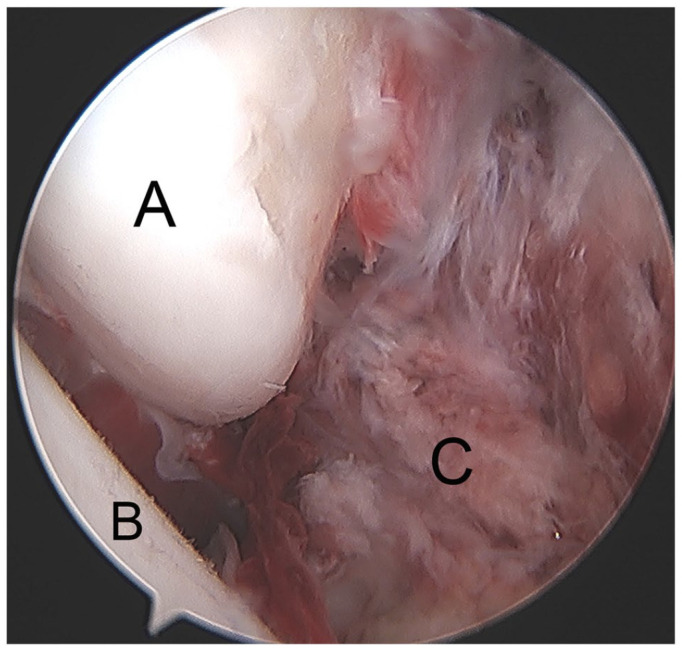
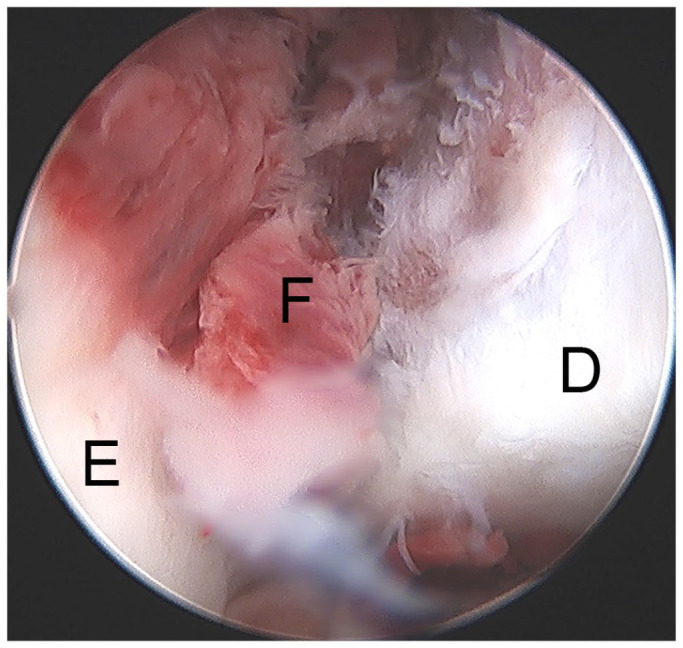
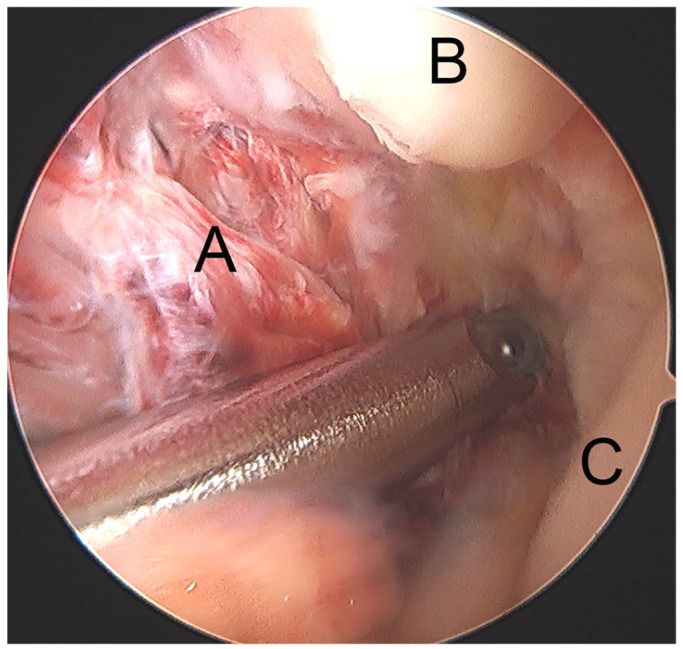
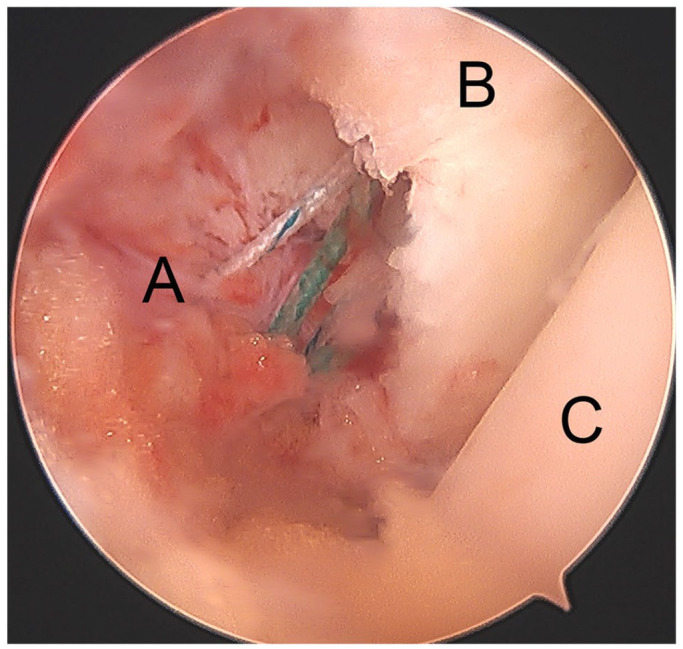
References
-
- van Rijn RM, van Os AG, Bernsen RMD, Luijsterburg PA, Koes BW, Bierma-Zeinstra SMA. What is the clinical course of acute ankle sprains? A systematic literature review. Am J Med 2008;121:324–331.e6. - PubMed
-
- Fong DTP, Hong Y, Chan LK, Yung PSH, Chan KM. A systematic review on ankle injury and ankle sprain in sports. Sports Med 2007;37:73–94. - PubMed
-
- Peters JW, Trevino SG, Renstrom PA. Current topic review chronic lateral ankle instability. Foot Ankle 1991;12:182–191. - PubMed
-
- Molinier F, Benoist J, Colin F, et al. Does antero-lateral ankle impingement exist? Orthop Traumatol Surg Res 2017;103:S249–S252. - PubMed
-
- Freeman MA. Instability of the foot after injuries to the lateral ligament of the ankle. J Bone Joint Surg Br 1965;47:669–677. - PubMed
Publication types
LinkOut - more resources
Full Text Sources
Medical
