


Action potential-coupled Rho GTPase signaling drives presynaptic plasticity
- PMID: 34269176
- PMCID: PMC8285108
- DOI: 10.7554/eLife.63756
Action potential-coupled Rho GTPase signaling drives presynaptic plasticity
Abstract
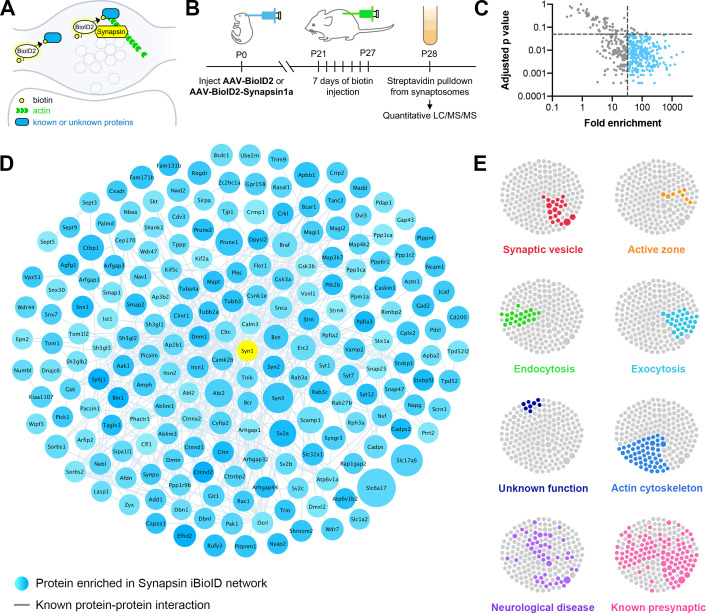
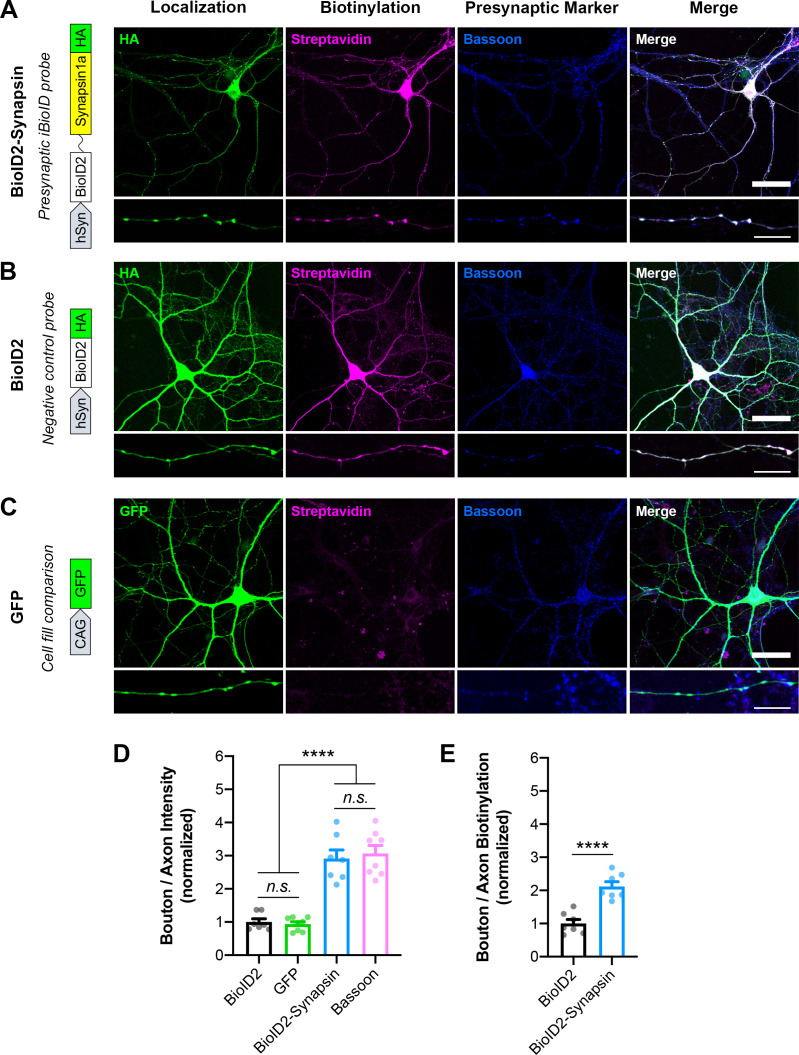
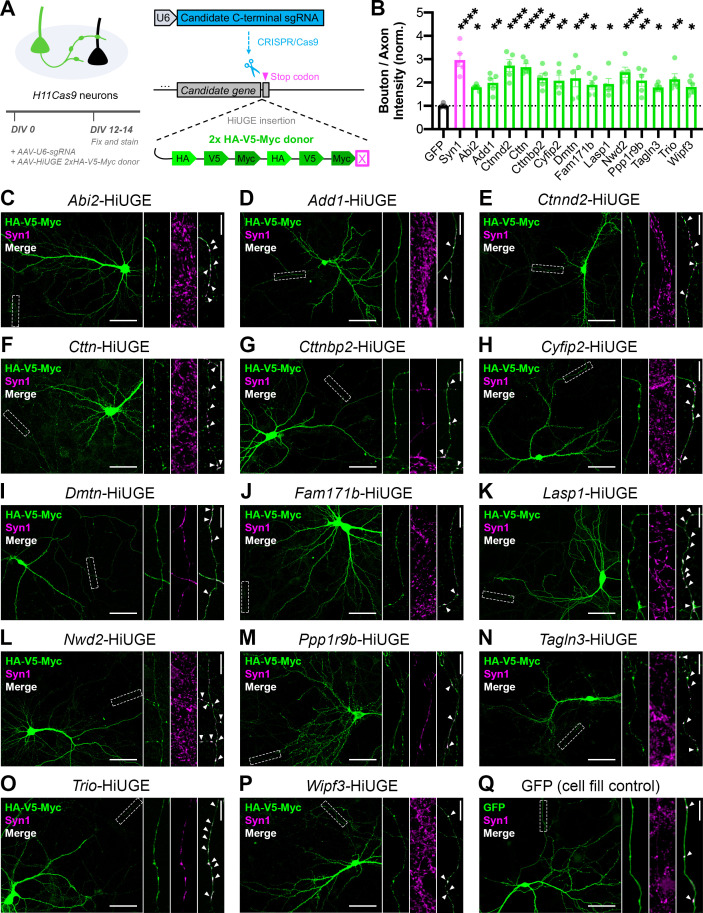
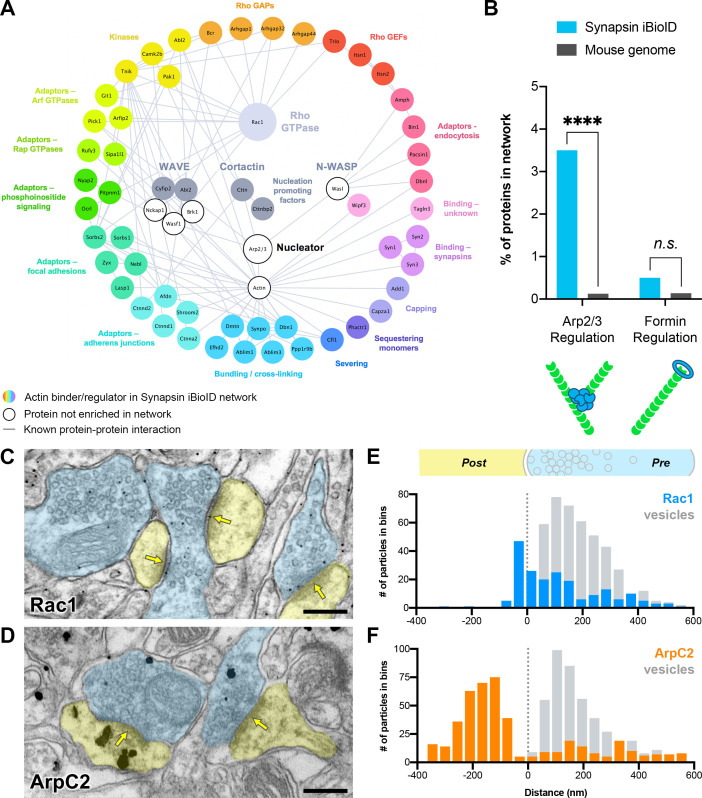
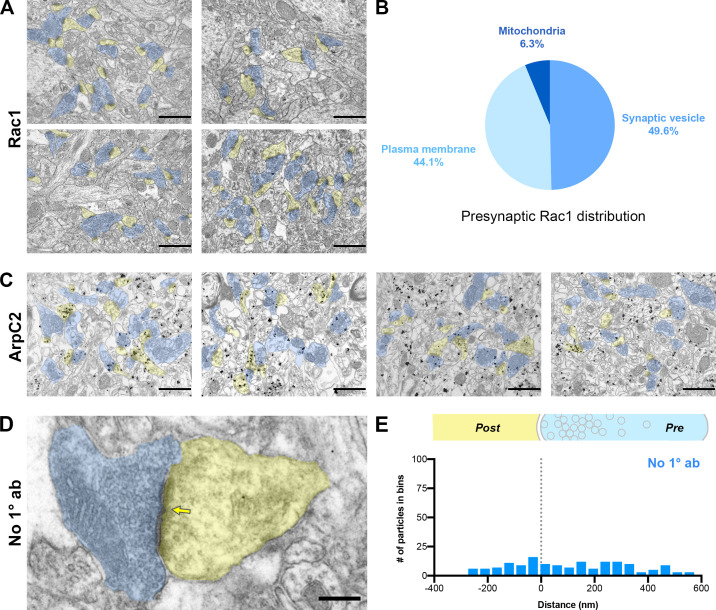
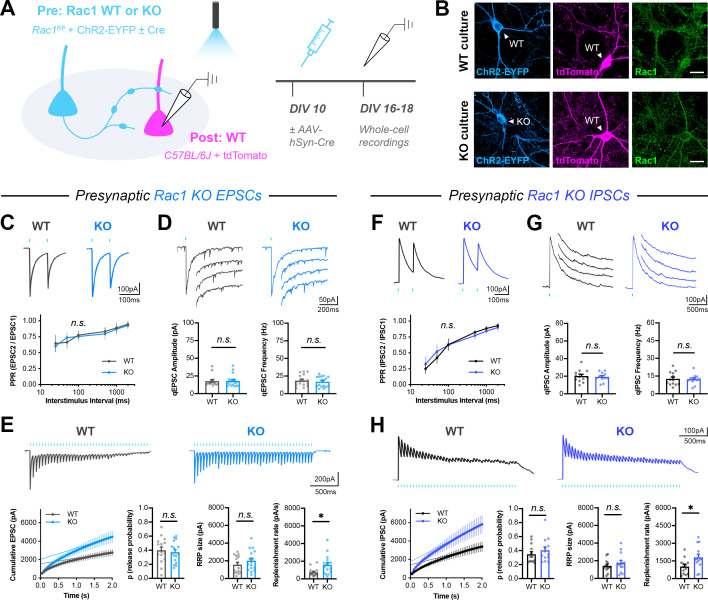
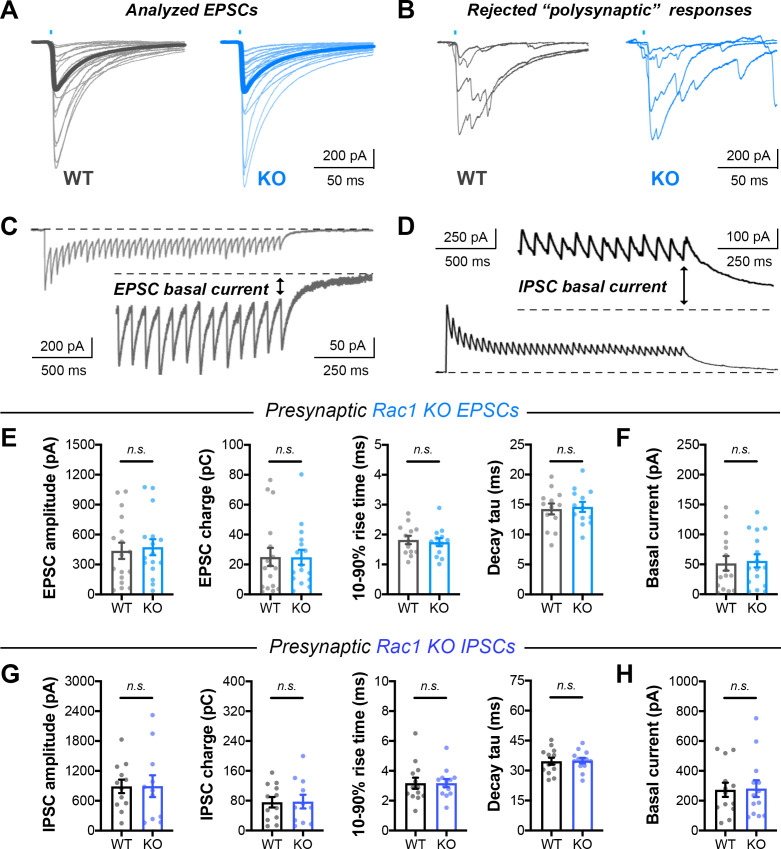
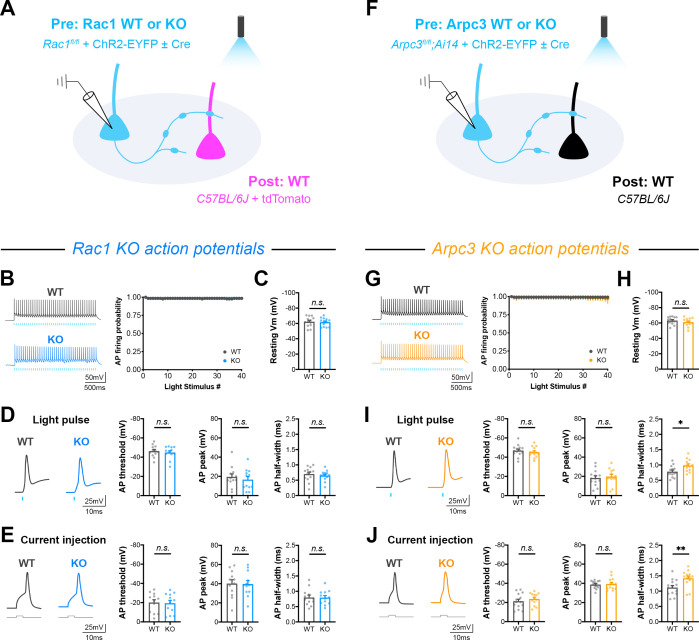
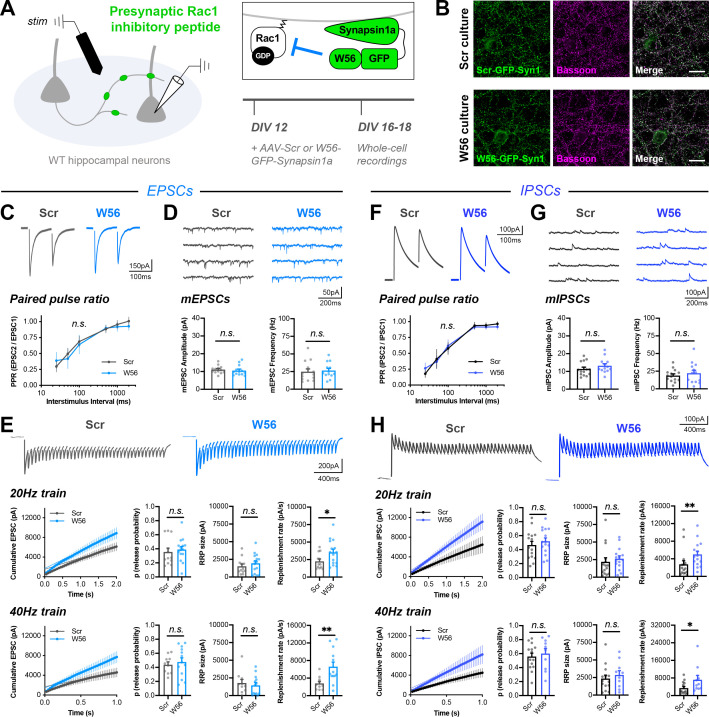
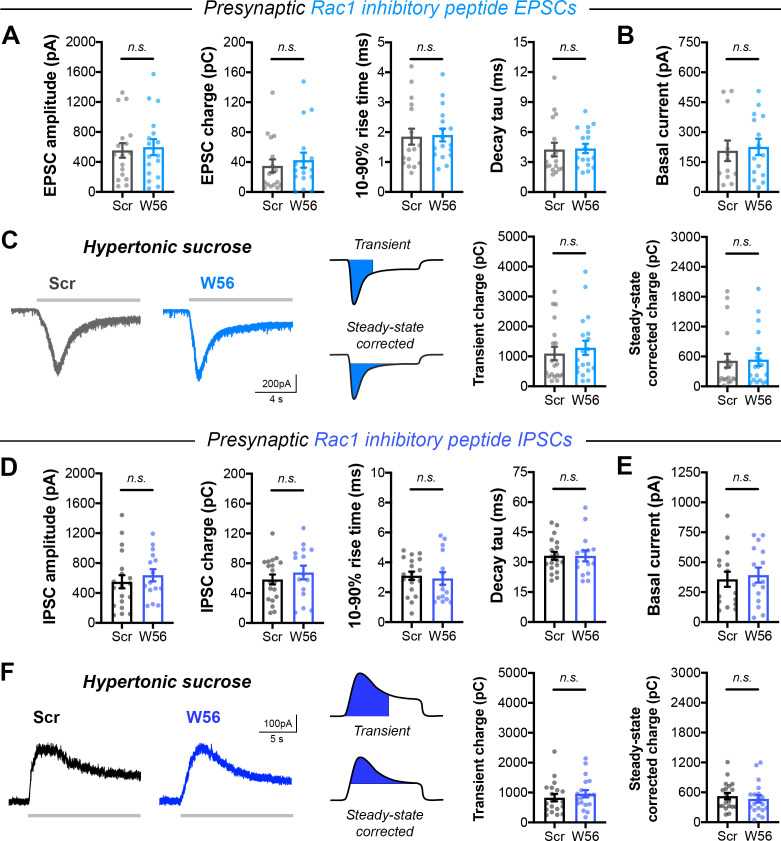
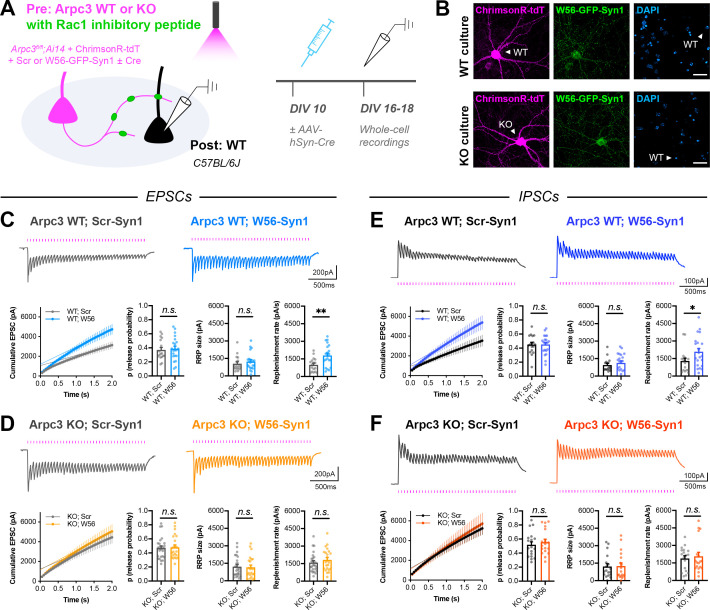
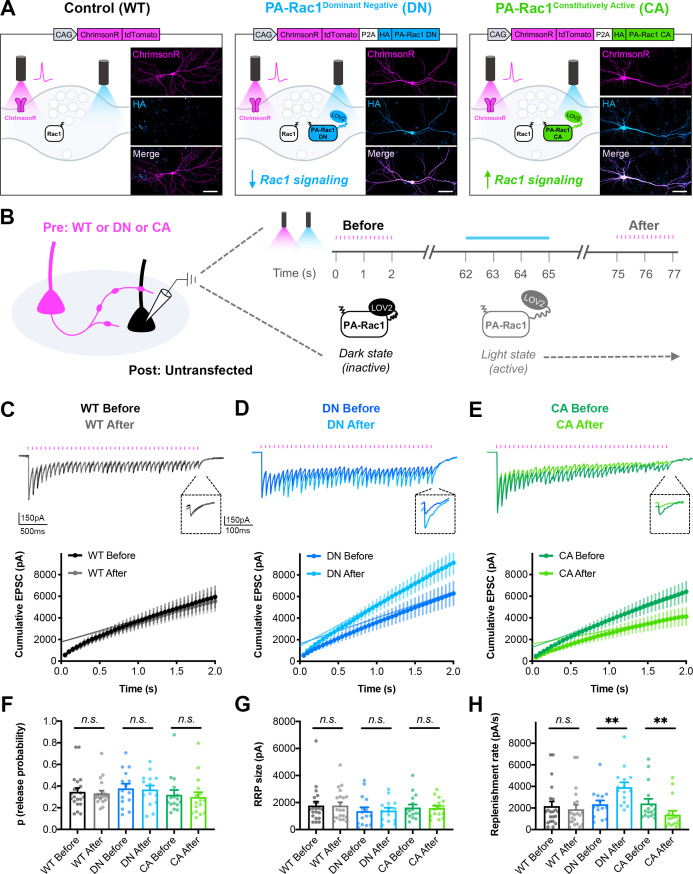
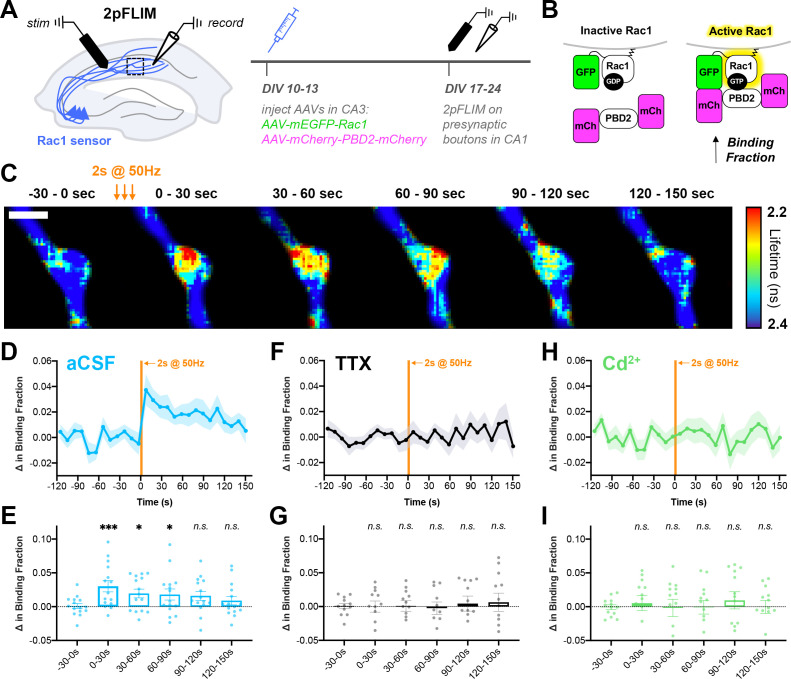
In contrast to their postsynaptic counterparts, the contributions of activity-dependent cytoskeletal signaling to presynaptic plasticity remain controversial and poorly understood. To identify and evaluate these signaling pathways, we conducted a proteomic analysis of the presynaptic cytomatrix using in vivo biotin identification (iBioID). The resultant proteome was heavily enriched for actin cytoskeleton regulators, including Rac1, a Rho GTPase that activates the Arp2/3 complex to nucleate branched actin filaments. Strikingly, we find Rac1 and Arp2/3 are closely associated with synaptic vesicle membranes in adult mice. Using three independent approaches to alter presynaptic Rac1 activity (genetic knockout, spatially restricted inhibition, and temporal optogenetic manipulation), we discover that this pathway negatively regulates synaptic vesicle replenishment at both excitatory and inhibitory synapses, bidirectionally sculpting short-term synaptic depression. Finally, we use two-photon fluorescence lifetime imaging to show that presynaptic Rac1 activation is coupled to action potentials by voltage-gated calcium influx. Thus, this study uncovers a previously unrecognized mechanism of actin-regulated short-term presynaptic plasticity that is conserved across excitatory and inhibitory terminals. It also provides a new proteomic framework for better understanding presynaptic physiology, along with a blueprint of experimental strategies to isolate the presynaptic effects of ubiquitously expressed proteins.
Keywords: 2pFLIM; Rac1; cell biology; cytoskeleton; mouse; neuroscience; presynapse; proteomics; short-term plasticity.
© 2021, O'Neil et al.
Conflict of interest statement
SO, BR, WB, ES No competing interests declared, YG has filed a patent application (16/968,904) related to the HiUGE technology, and the IP has been licensed to CasTag Biosciences. RY is a Reviewing Editor for eLife and is also a founder and shareholder of Florida Lifetime Imaging LLC, a company that helps people set up FLIM. SS has filed a patent application (16/968,904) related to the HiUGE technology, and the IP has been licensed to CasTag Biosciences, and is a founder of CasTag Biosciences. Duke as an institution holds equity in CasTag Biosciences.
Figures
References
-
- Aurnhammer C, Haase M, Muether N, Hausl M, Rauschhuber C, Huber I, Nitschko H, Busch U, Sing A, Ehrhardt A, Baiker A. Universal real-time PCR for the detection and quantification of adeno-associated virus serotype 2-derived inverted terminal repeat sequences. Human Gene Therapy Methods. 2012;23:18–28. doi: 10.1089/hgtb.2011.034. - DOI - PubMed
Publication types
MeSH terms
Substances
Grants and funding
LinkOut - more resources
Full Text Sources
Other Literature Sources
Molecular Biology Databases
Research Materials
