


Complementary Feeding Methods-A Review of the Benefits and Risks
- PMID: 34281101
- PMCID: PMC8297117
- DOI: 10.3390/ijerph18137165
Complementary Feeding Methods-A Review of the Benefits and Risks
Abstract
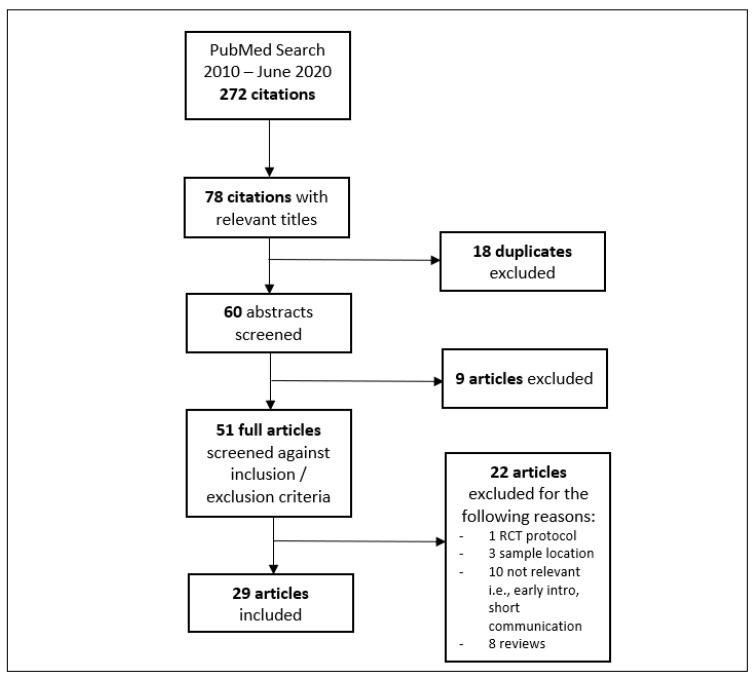
Complementary feeding methods have the potential to not only ensure a diet of nutritional adequacy but also promote optimal food-related behaviours and skills. While the complementary feeding practice known as baby-led weaning (BLW) has gained popularity, evidence supporting the potential benefits and/or risks for infant growth, development, and health warrants consideration. A review of 29 studies was conducted with findings indicating that parents who implement BLW typically have higher levels of education, breastfeed for longer, and differ in other personality traits. Fear of choking was an important factor in parents' decision not to implement BLW; however, this fear was not supported by the literature. Benefits of BLW included lower food fussiness, higher food enjoyment, lower food responsiveness, and higher satiety responsiveness. While this profile of eating behaviours confers a reduced obesity risk, few studies have examined the relationship between BLW and infant growth robustly. BLW does not seem to increase the risk of inadequate zinc or iron intake; however, emphasis needs to be given to ensuring adequate intake of these micronutrients among all infants. A better understanding of the impacts of BLW is needed to inform evidence-based recommendations to support and guide parents in complementary feeding methods.
Keywords: baby-led weaning; complementary feeding; infant feeding.
Conflict of interest statement
The authors declare no conflict of interest.
References
-
- Brofenbrenner U. Toward an experimental ecology of human development. Am. Psychol. 1977;32:513–531. doi: 10.1037/0003-066X.32.7.513. - DOI
Publication types
MeSH terms
LinkOut - more resources
Full Text Sources
Medical
