


Efficacy of Photobiomodulation in the Treatment of Cancer Chemotherapy-Induced Oral Mucositis: A Meta-Analysis with Trial Sequential Analysis
- PMID: 34299869
- PMCID: PMC8307997
- DOI: 10.3390/ijerph18147418
Efficacy of Photobiomodulation in the Treatment of Cancer Chemotherapy-Induced Oral Mucositis: A Meta-Analysis with Trial Sequential Analysis
Abstract
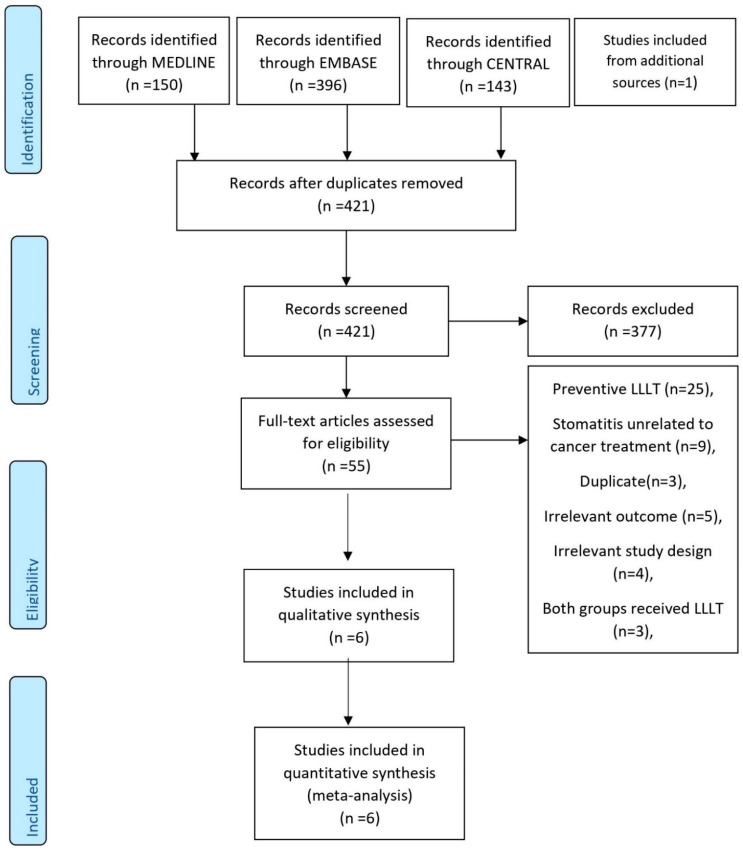
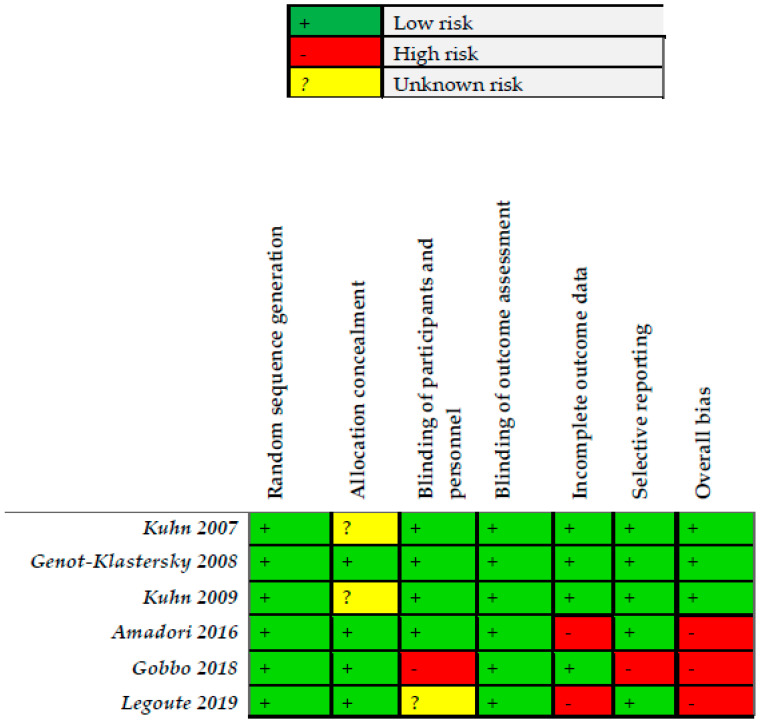
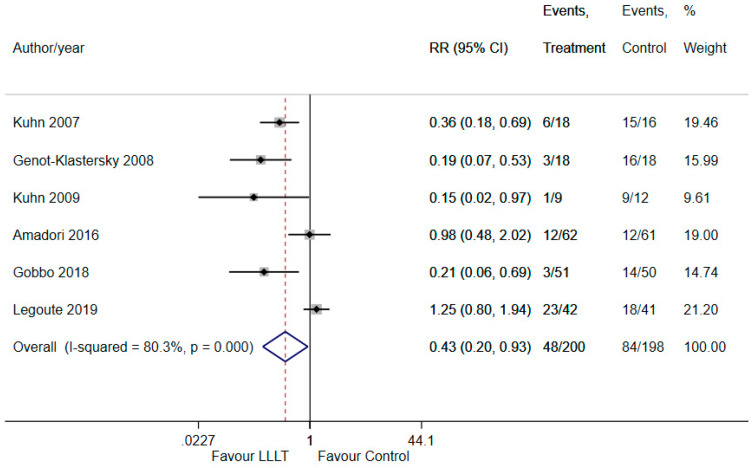
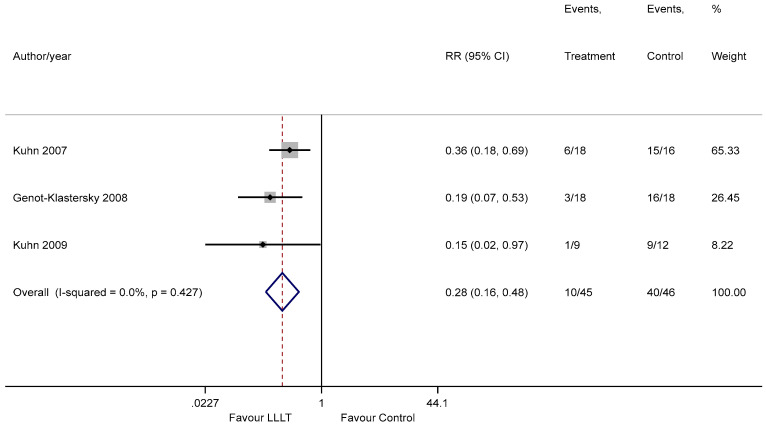
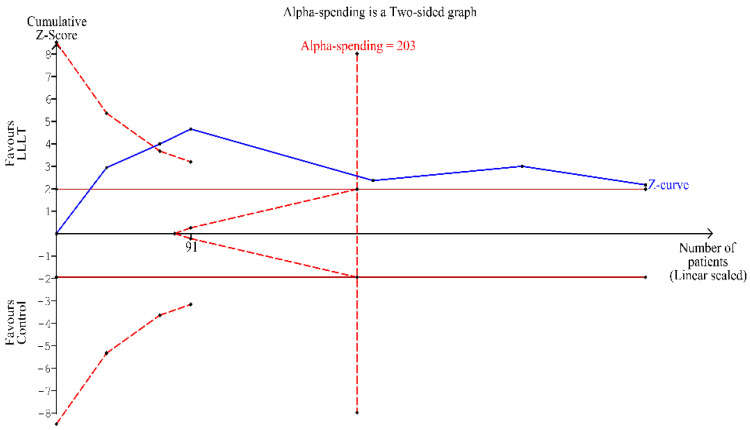
Oral mucositis is a debilitating complication of chemotherapy, characterized by erythema, ulcers and oedema of the oral mucosa. This review aimed to evaluate the efficacy of Photobiomodulation in the treatment of oral mucositis using meta-analysis and trial sequential analysis, and also to assess the quality of the results by Grading of Recommendations, Assessment, Development and Evaluation (GRADE). A comprehensive search of three databases, including Embase, Medline and Central, was performed to identify randomized controlled trials studying the efficacy of Photobiomodulation in the treatment of cancer chemotherapy-induced oral mucositis. The primary outcome was reduction in the severity of oral mucositis. Secondary outcomes were pain relief, duration of oral mucositis and adverse effects. The meta-analysis was performed using the random-effects model, and random errors of the meta-analyses were detected by trial sequential analysis. A total of 6 randomized controlled trials with 398 participants were included in our analysis. Photobiomodulation significantly reduced the severity of oral mucositis when compared to sham radiation (RR 0.43, 95% CI 0.20 to 0.93; p < 0.05). Sensitivity analysis by excluding trials with high risk of bias reiterated the robustness of our results (RR 0.28, 95% CI 0.16 to 0.48). Trial sequential analysis illustrated that the evidence from the meta-analysis was conclusive. The result of the meta-analyses with trial sequential analysis illustrated that Photobiomodulation is an effective therapeutic intervention for the treatment of oral mucositis, and the evidence gathered can be considered conclusive with a moderate level of certainty according to GRADE. Further trials are recommended to standardize the laser parameters required for the optimal effect.
Keywords: Photobiomodulation; RCTs; chemotherapy-induced oral mucositis; low-level laser; meta-analysis; trial sequential analysis.
Conflict of interest statement
The authors declare no conflict of interest.
Figures
References
-
- Keefe D.M., Schubert M.M., Elting L.S., Sonis S.T., Epstein J.B., Raber-Durlacher J.E., Migliorati C.A., McGuire D.B., Hutchins R.D., Peterson D.E., et al. Updated Clinical Practice Guidelines for the Prevention and Treatment of Mucositis. Cancer. 2007;109:820–831. doi: 10.1002/cncr.22484. - DOI - PubMed
-
- Sonis S.T., Elting L.S., Keefe D., Peterson D.E., Schubert M., Hauer-Jensen M., Bekele B.N., Raber-Durlacher J., Donnelly J.P., Rubenstein E.B., et al. Perspectives on Cancer Therapy-Induced Mucosal Injury: Pathogenesis, Measurement, Epidemiology, and Consequences for Patients. Cancer. 2004;100:1995–2025. doi: 10.1002/cncr.20162. - DOI - PubMed
Publication types
MeSH terms
Substances
LinkOut - more resources
Full Text Sources
Medical
