


Drug repositioning based on network-specific core genes identifies potential drugs for the treatment of autism spectrum disorder in children
- PMID: 34306572
- PMCID: PMC8280514
- DOI: 10.1016/j.csbj.2021.06.046
Drug repositioning based on network-specific core genes identifies potential drugs for the treatment of autism spectrum disorder in children
Abstract
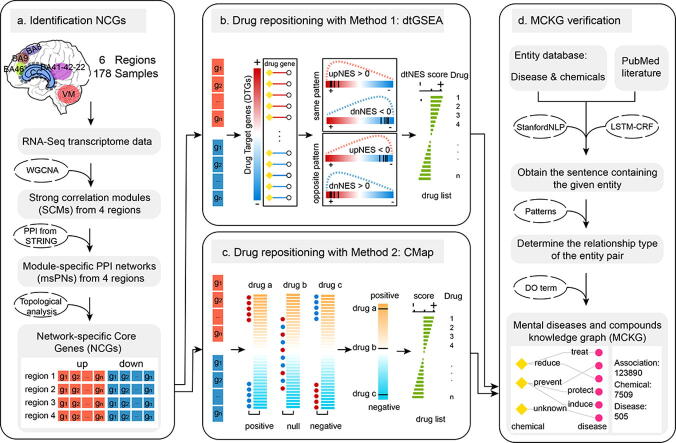
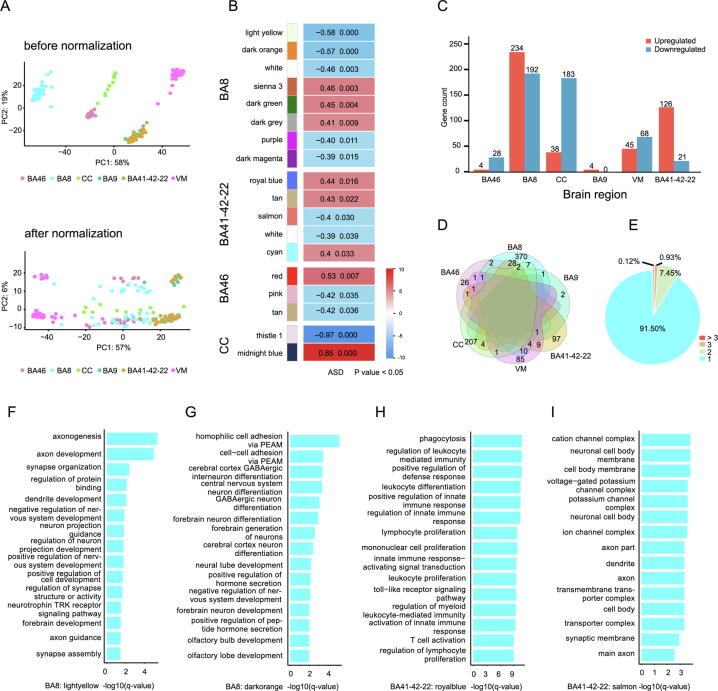
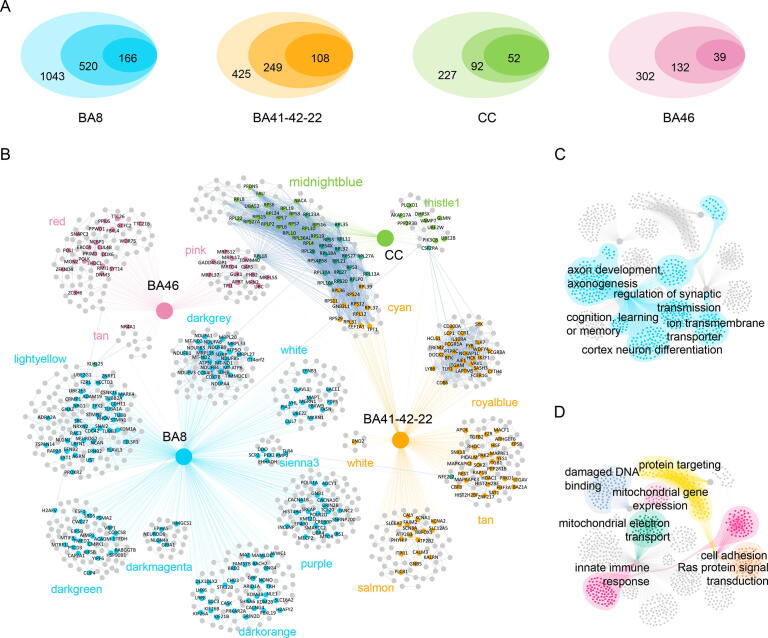
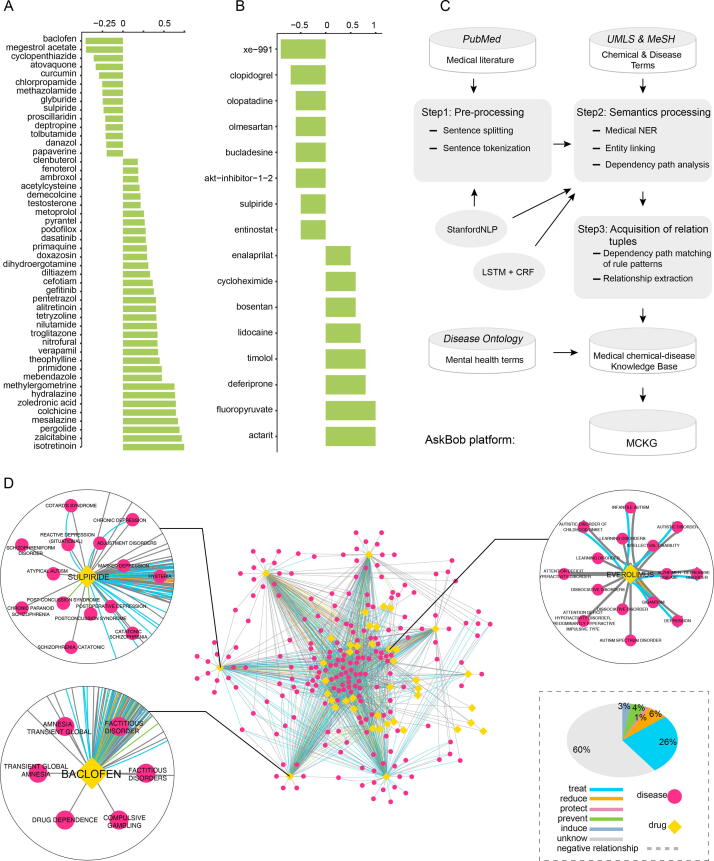
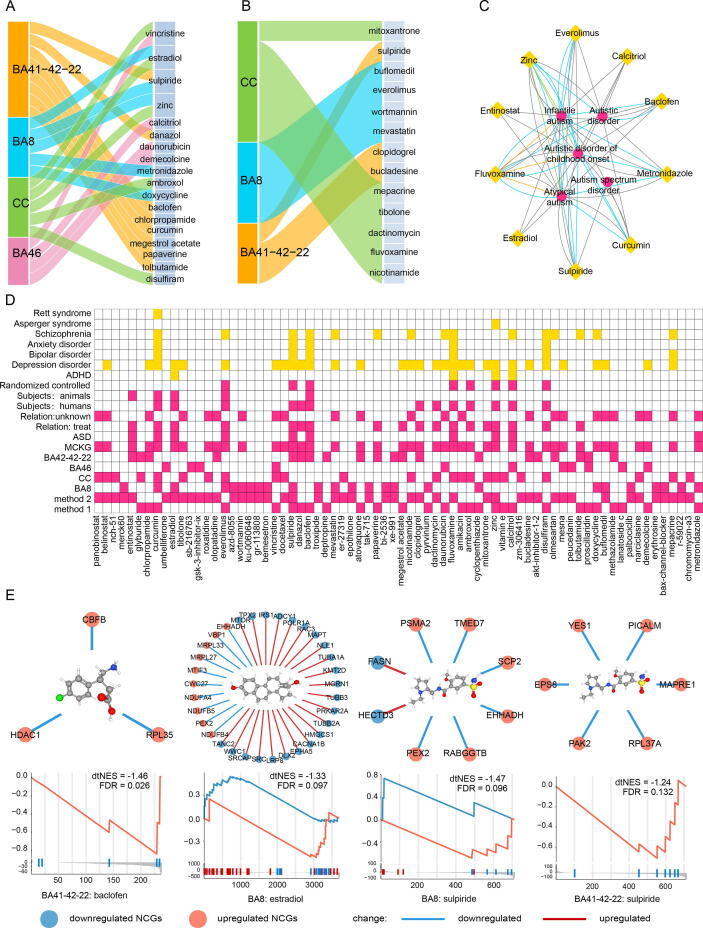
Identification of exact causative genes is important for in silico drug repositioning based on drug-gene-disease relationships. However, the complex polygenic etiology of the autism spectrum disorder (ASD) is a challenge in the identification of etiological genes. The network-based core gene identification method can effectively use the interactions between genes and accurately identify the pathogenic genes of ASD. We developed a novel network-based drug repositioning framework that contains three steps: network-specific core gene (NCG) identification, potential therapeutic drug repositioning, and candidate drug validation. First, through the analysis of transcriptome data for 178 brain tissues, gene network analysis identified 365 NCGs in 18 coexpression modules that were significantly correlated with ASD. Second, we evaluated two proposed drug repositioning methods. In one novel approach (dtGSEA), we used the NCGs to probe drug-gene interaction data and identified 35 candidate drugs. In another approach, we compared NCG expression patterns with drug-induced transcriptome data from the Connectivity Map database and found 46 candidate drugs. Third, we validated the candidate drugs using an in-house mental diseases and compounds knowledge graph (MCKG) that contained 7509 compounds, 505 mental diseases, and 123,890 edges. We found a total of 42 candidate drugs that were associated with mental illness, among which 10 drugs (baclofen, sulpiride, estradiol, entinostat, everolimus, fluvoxamine, curcumin, calcitriol, metronidazole, and zinc) were postulated to be associated with ASD. This study proposes a powerful network-based drug repositioning framework and also provides candidate drugs as well as potential drug targets for the subsequent development of ASD therapeutic drugs.
Keywords: Autism spectrum disorder; Coexpression network; Drug repositioning; Knowledge graph; Natural language processing.
© 2021 The Authors.
Conflict of interest statement
The authors declare that they have no known competing financial interests or personal relationships that could have appeared to influence the work reported in this paper.
Figures
References
-
- Ecker C., Bookheimer S.Y., Murphy D.G.M. Neuroimaging in autism spectrum disorder: brain structure and function across the lifespan. Lancet Neurol. 2015;14(11):1121–1134. - PubMed
-
- Ji N.Y., Findling R.L. An update on pharmacotherapy for autism spectrum disorder in children and adolescents. Curr Opin Psychiatr. 2015;28(2):91–101. - PubMed
-
- Mazzone L., Giovagnoli G., Siracusano M., Postorino V., Curatolo P. Drug treatments for core symptoms of autism spectrum disorder: unmet needs and future directions. J Pediatr Neurol. 2017;15(03):134–142.
LinkOut - more resources
Full Text Sources