


ESC working group on cardiac cellular electrophysiology position paper: relevance, opportunities, and limitations of experimental models for cardiac electrophysiology research
- PMID: 34313298
- PMCID: PMC11636574
- DOI: 10.1093/europace/euab142
ESC working group on cardiac cellular electrophysiology position paper: relevance, opportunities, and limitations of experimental models for cardiac electrophysiology research
Abstract
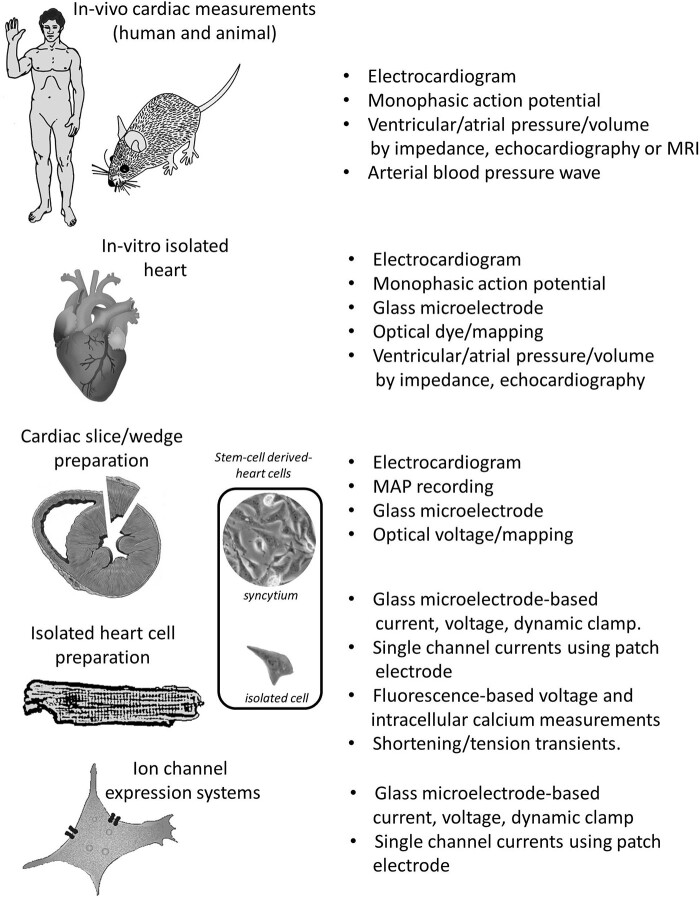
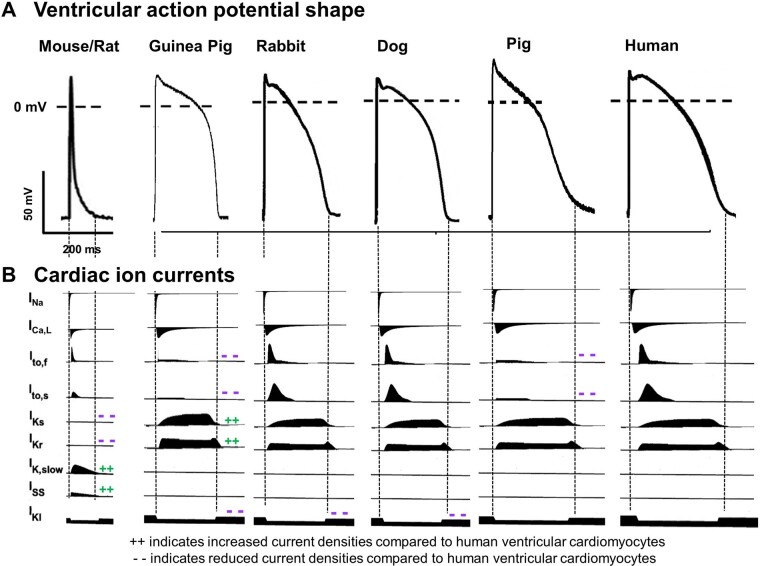
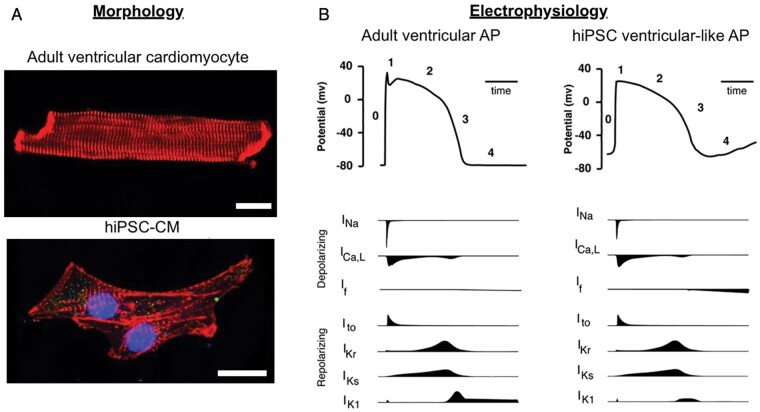
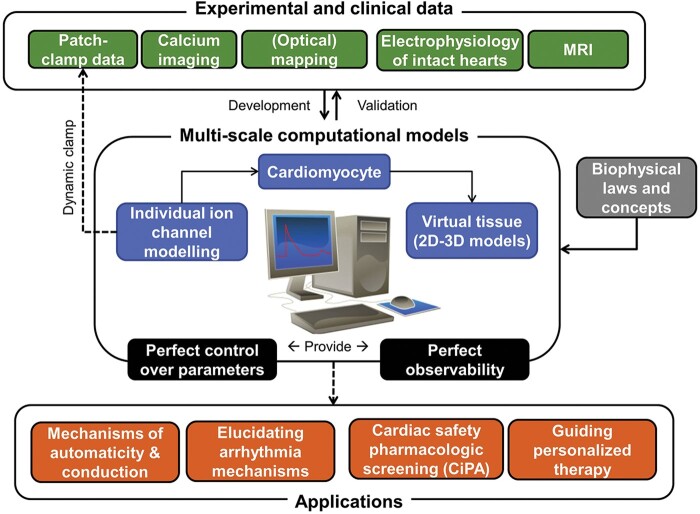
Cardiac arrhythmias are a major cause of death and disability. A large number of experimental cell and animal models have been developed to study arrhythmogenic diseases. These models have provided important insights into the underlying arrhythmia mechanisms and translational options for their therapeutic management. This position paper from the ESC Working Group on Cardiac Cellular Electrophysiology provides an overview of (i) currently available in vitro, ex vivo, and in vivo electrophysiological research methodologies, (ii) the most commonly used experimental (cellular and animal) models for cardiac arrhythmias including relevant species differences, (iii) the use of human cardiac tissue, induced pluripotent stem cell (hiPSC)-derived and in silico models to study cardiac arrhythmias, and (iv) the availability, relevance, limitations, and opportunities of these cellular and animal models to recapitulate specific acquired and inherited arrhythmogenic diseases, including atrial fibrillation, heart failure, cardiomyopathy, myocarditis, sinus node, and conduction disorders and channelopathies. By promoting a better understanding of these models and their limitations, this position paper aims to improve the quality of basic research in cardiac electrophysiology, with the ultimate goal to facilitate the clinical translation and application of basic electrophysiological research findings on arrhythmia mechanisms and therapies.
Keywords: Animal models; Arrhythmias; Atrial fibrillation; Cardiac electrophysiology; Cellular electrophysiology; Experimental models; Ion channels; Mechanisms; Position paper.
Published on behalf of the European Society of Cardiology. All rights reserved. © The Author(s) 2021. For permissions, please email: journals.permissions@oup.com.
Figures
References
-
- Goette A, Auricchio A, Boriani G, Braunschweig F, Terradellas JB, Burri H et al.; ESC Scientific Document Group. EHRA White Paper: knowledge gaps in arrhythmia management-status 2019. Europace 2019;21:993–4. - PubMed
-
- Kaese S, Frommeyer G, Verheule S, van Loon G, Gehrmann J, Breithardt G et al. The ECG in cardiovascular-relevant animal models of electrophysiology. Herzschrittmacherther Elektrophysiol 2013;24:84–91. - PubMed
-
- Killingsworth CR, Ritscher DE, Walcott GP, Rollins DL, Ideker RE, Smith WM. Continuous telemetry from a chronic canine model of sudden cardiac death. J Cardiovasc Electrophysiol 2000;11:1333–41. - PubMed
Publication types
MeSH terms
LinkOut - more resources
Full Text Sources
Medical
