


Platelet and myeloid cell phenotypes in a rat model of Fabry disease
- PMID: 34320241
- PMCID: PMC8341388
- DOI: 10.1096/fj.202001727RR
Platelet and myeloid cell phenotypes in a rat model of Fabry disease
Abstract
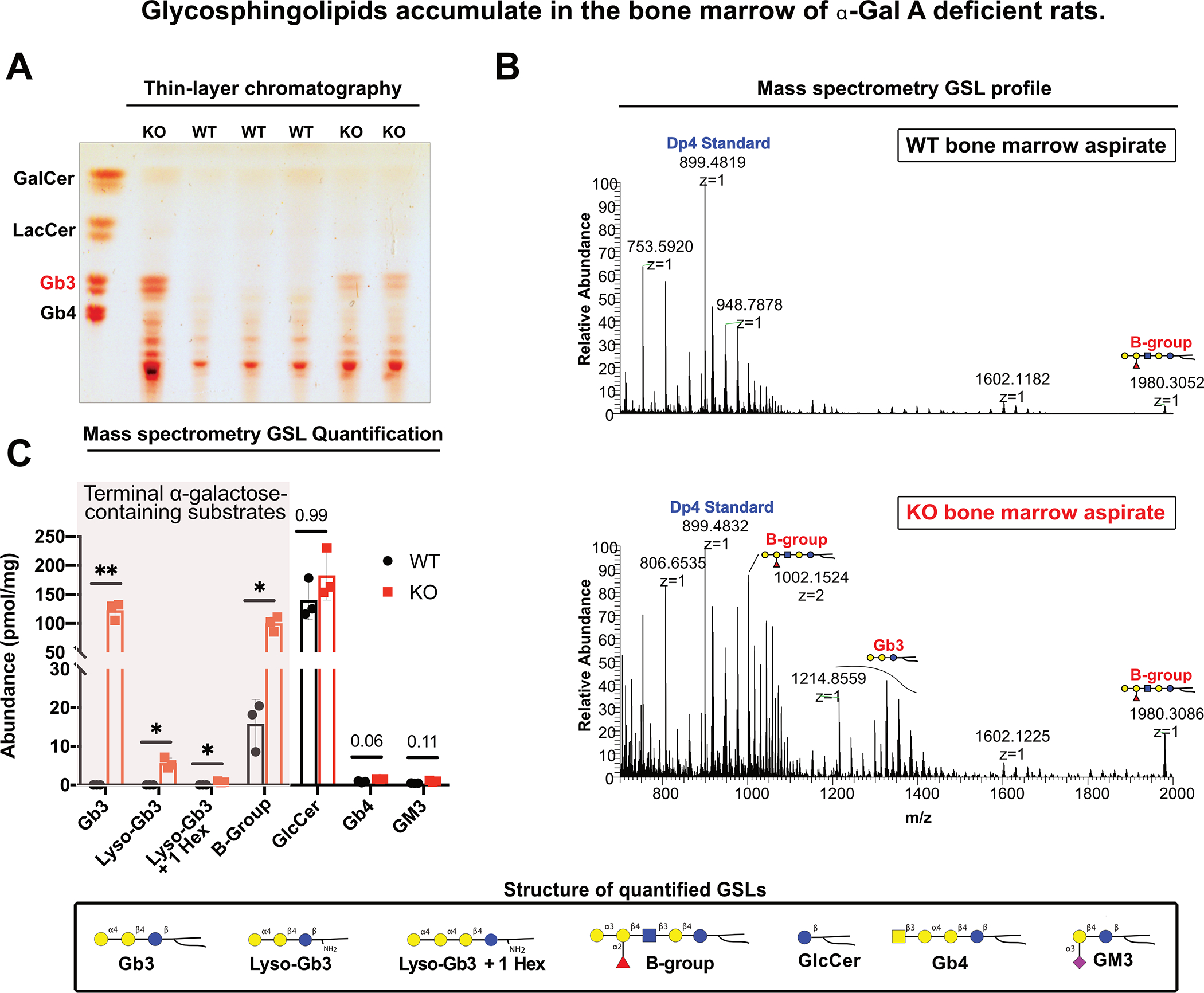
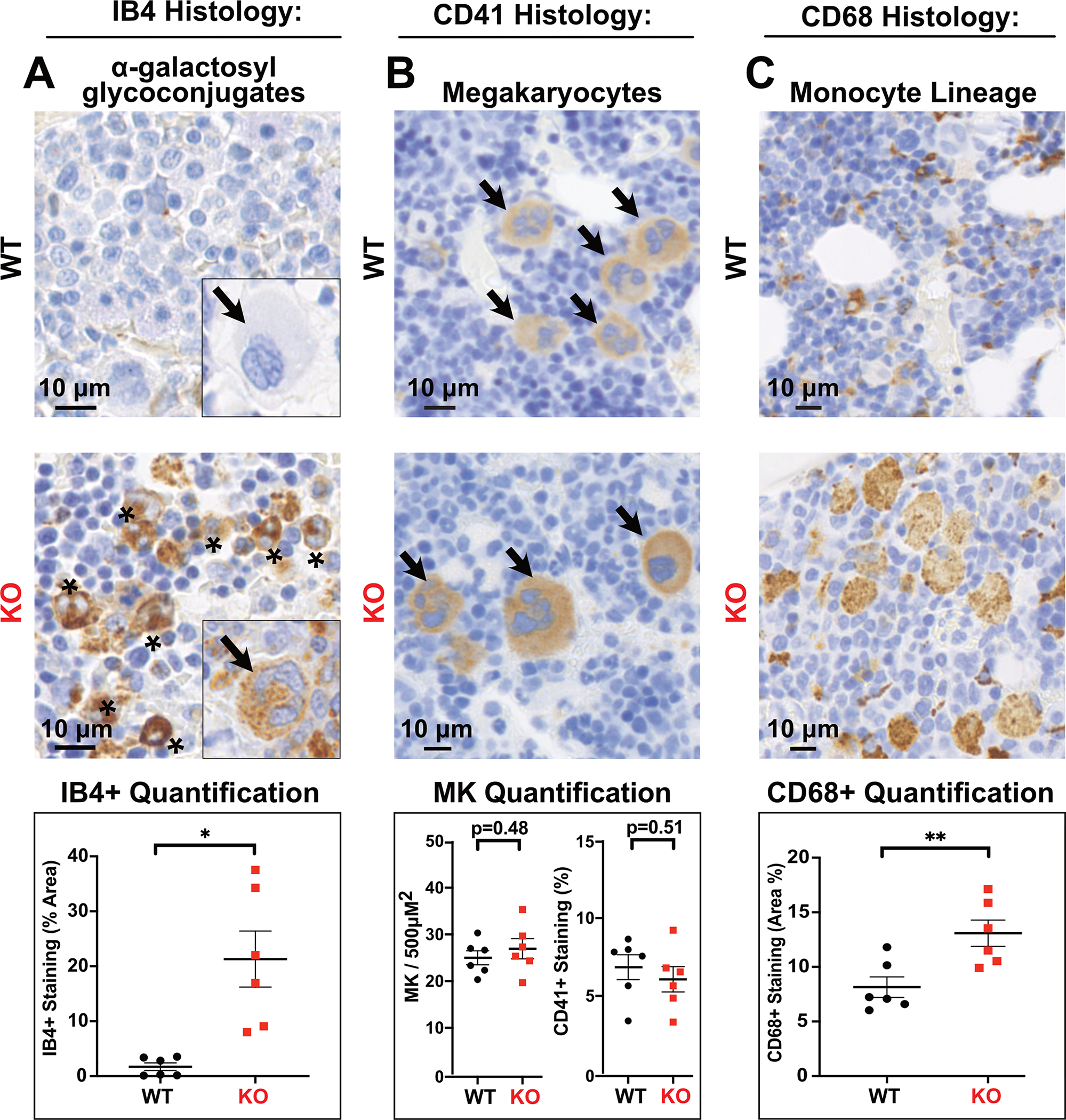
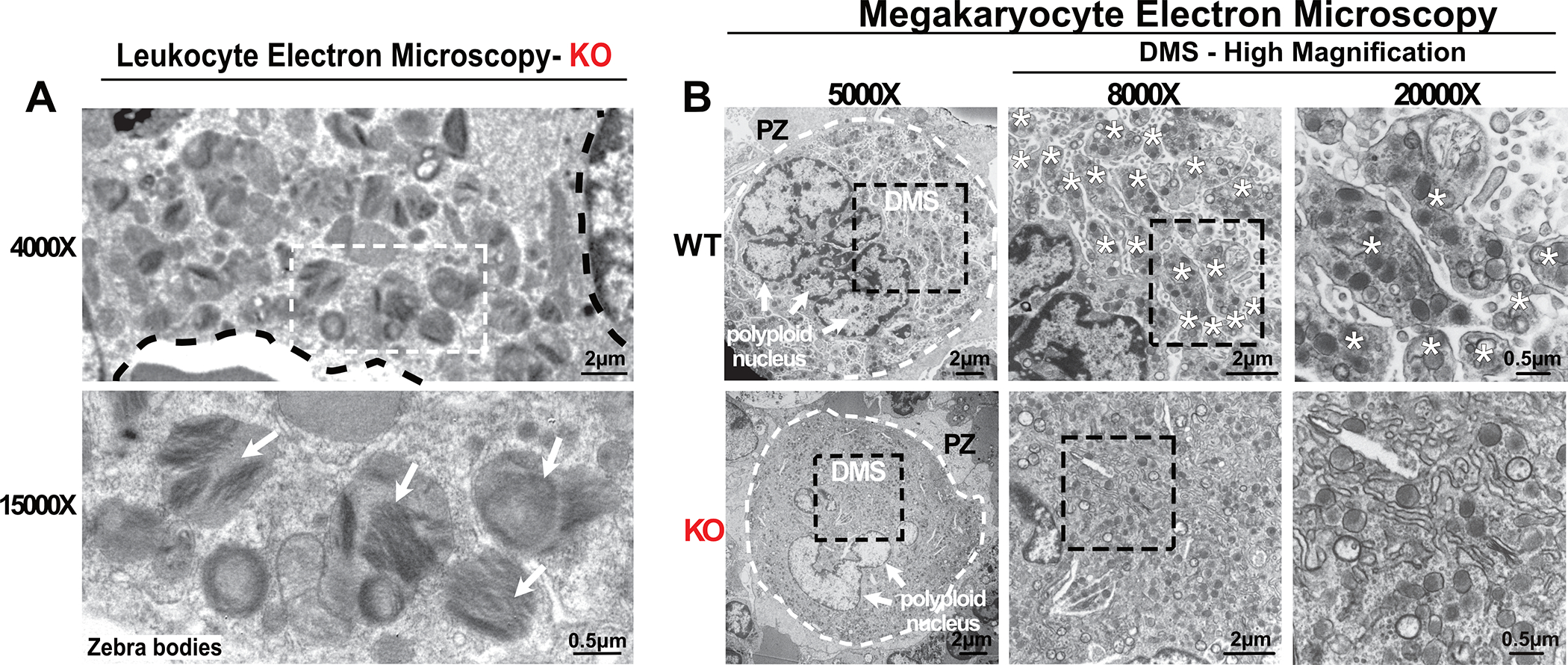
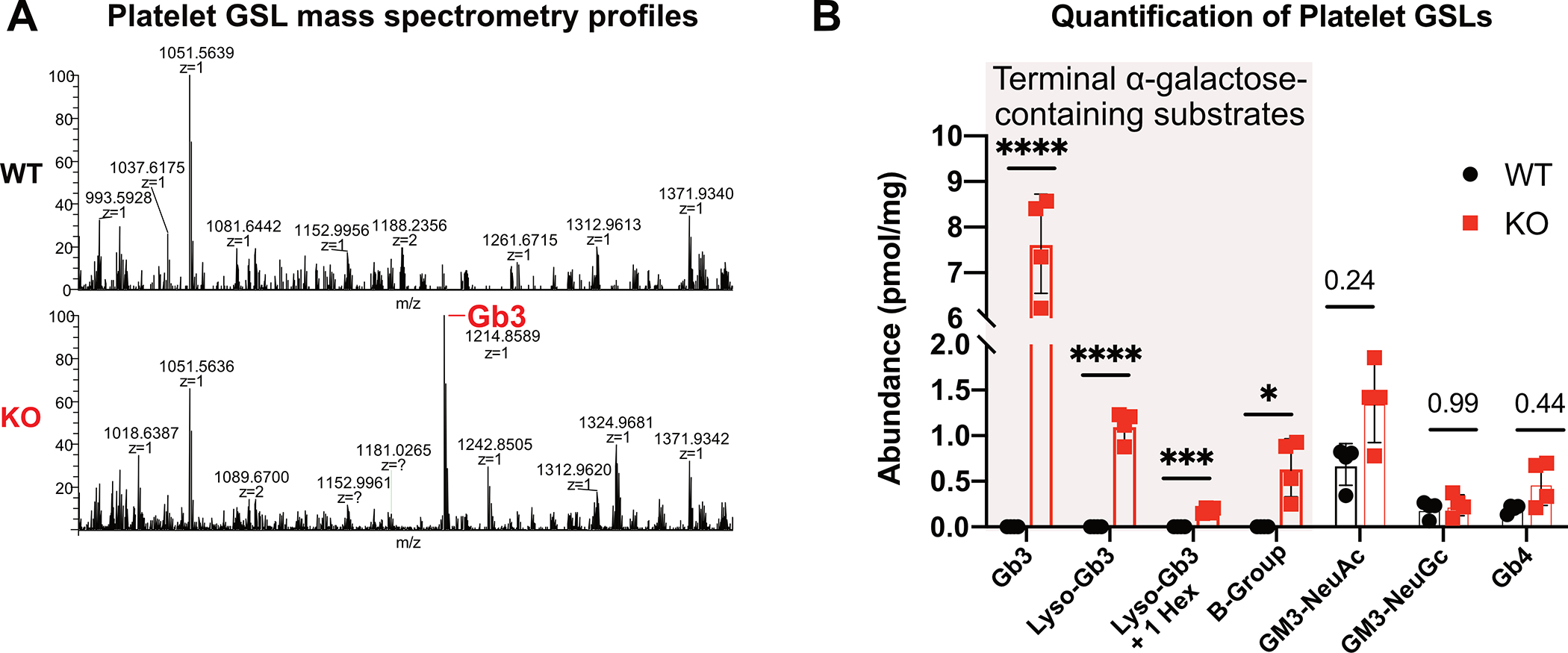
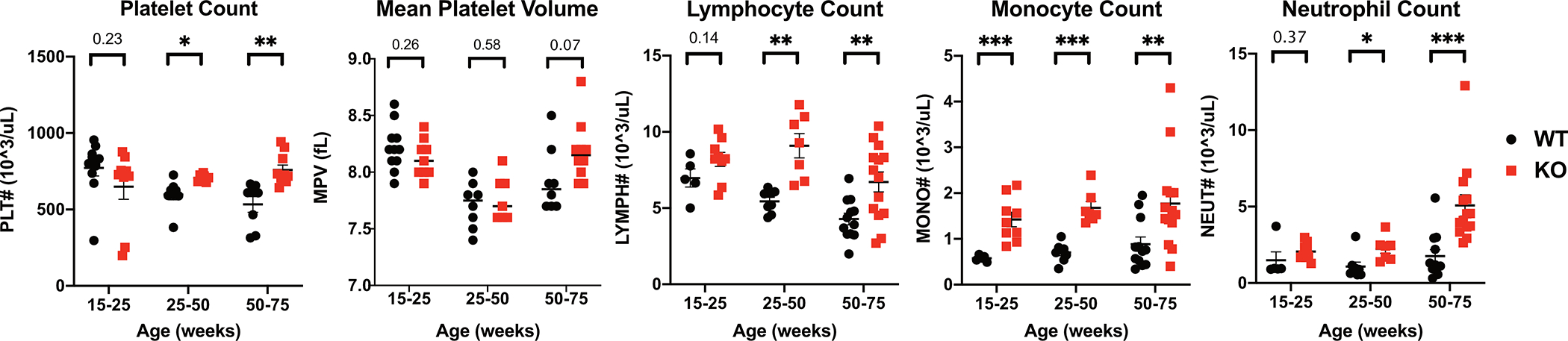
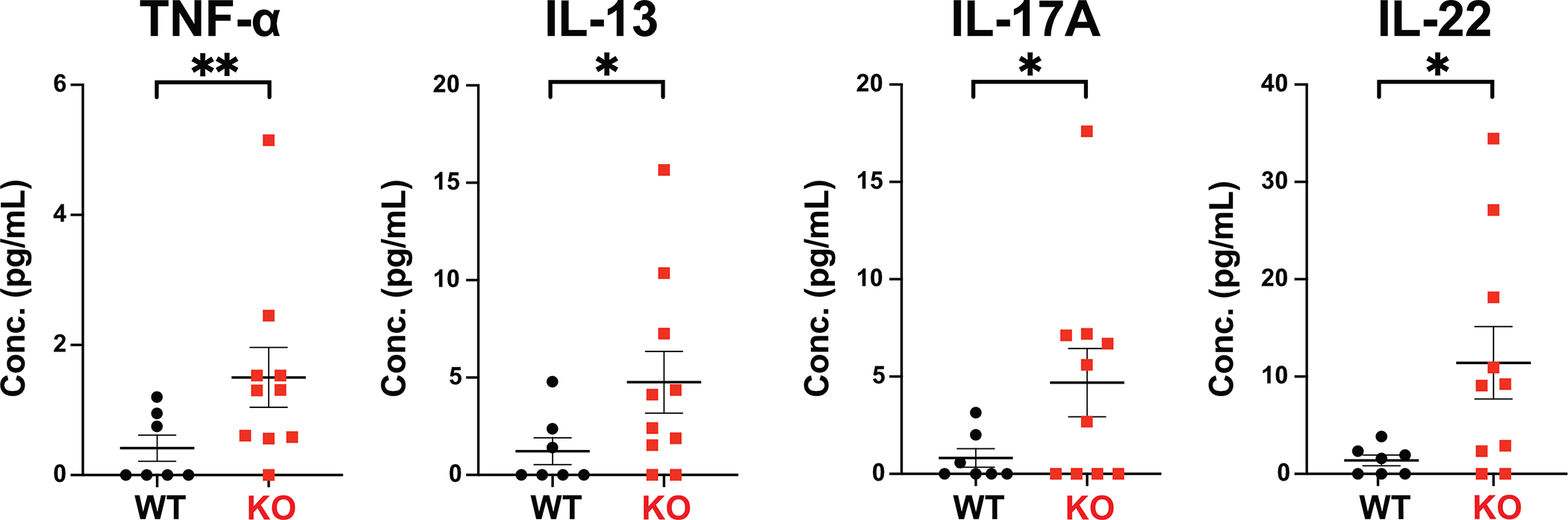
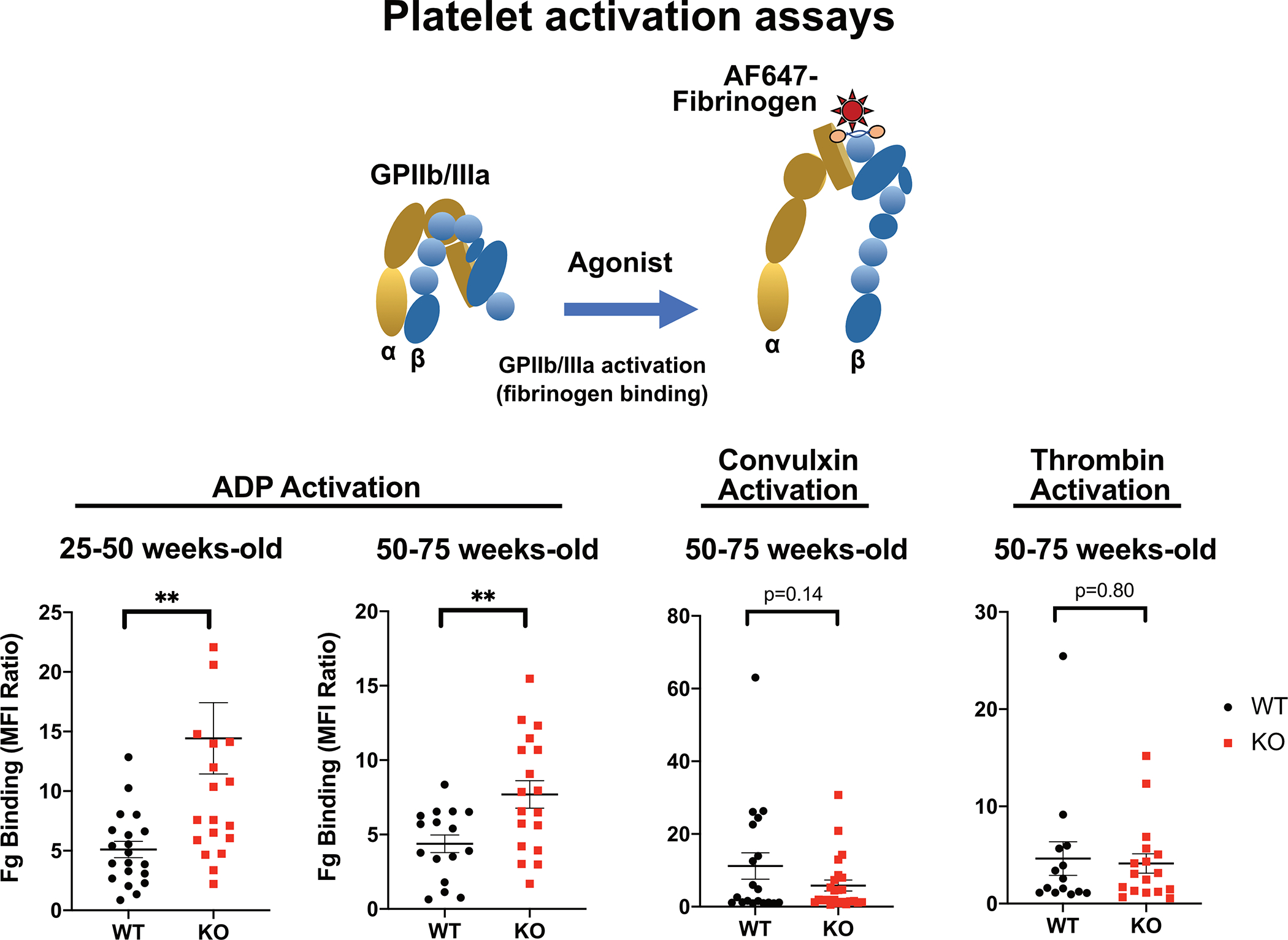
Fabry disease results from a deficiency of the lysosomal enzyme ⍺-Galactosidase-A (⍺-Gal A) and is estimated to occur in approximately 1:4100 live births. Characteristic of the disease is the accumulation of α-Gal-A substrates, primarily the glycosphingolipids (GSLs) globotriaosylceramide and globotriaosylsphingosine. Thrombotic events are a significant concern for Fabry patients, with strokes contributing to a significant decrease in overall lifespan. Currently, the mechanisms underlying the increased risk of thrombotic events experienced by Fabry patients are incompletely defined. Using a rat model of Fabry disease, we provide an improved understanding of the mechanisms linking GSL accumulation to thrombotic risk. We found that ⍺-Gal A-deficient rats accumulate myeloid-derived leukocytes at sites of GSL accumulation, including in the bone marrow and circulation, and that myeloid-derived leukocyte and megakaryocyte populations were prominent among cell types that accumulated GSLs. In the circulation, ⍺-Gal A-deficient rats had increases in cytokine-producing cell types and a corresponding elevation of pro-inflammatory cytokines. Lastly, circulating platelets from ⍺-Gal A-deficient rats accumulated a similar set of ⍺-Galactosidase-A substrates as was observed in megakaryocytes in the bone marrow, and exhibited increased platelet binding to fibrinogen in microfluidic and flow cytometric assays.
Keywords: animal model; glycobiology; glycosphingolipids; lysosomal storage disease.
© 2021 Federation of American Societies for Experimental Biology.
Conflict of interest statement
CONFLICT OF INTEREST
The authors declare no conflicts of interest with the contents of this article.
Figures


References
-
- Navarro C, Teijeira S, Dominguez C, Fernandez JM, Rivas E, Fachal C, Barrera S, Rodriguez C, Iranzo P. Fabry disease: an ultrastructural comparative study of skin in hemizygous and heterozygous patients. Acta Neuropathol. 2006;111(2):178–85. Epub 2006/02/08. doi: 10.1007/s00401-005-0026-8. - DOI - PubMed
Publication types
MeSH terms
Substances
Grants and funding
- R01 DK042667/DK/NIDDK NIH HHS/United States
- R21AI129873/Division of Intramural Research, National Institute of Allergy and Infectious Diseases (DIR, NIAID)
- P41GM103490/HHS | NIH | National Institute of General Medical Sciences (NIGMS)
- K12 HL141954/HL/NHLBI NIH HHS/United States
- R01DK042667/HHS | NIH | National Institute of Diabetes and Digestive and Kidney Diseases (NIDDK)
LinkOut - more resources
Full Text Sources
