


Drug resistance and combating drug resistance in cancer
- PMID: 34322663
- PMCID: PMC8315569
- DOI: 10.20517/cdr.2019.10
Drug resistance and combating drug resistance in cancer
Abstract
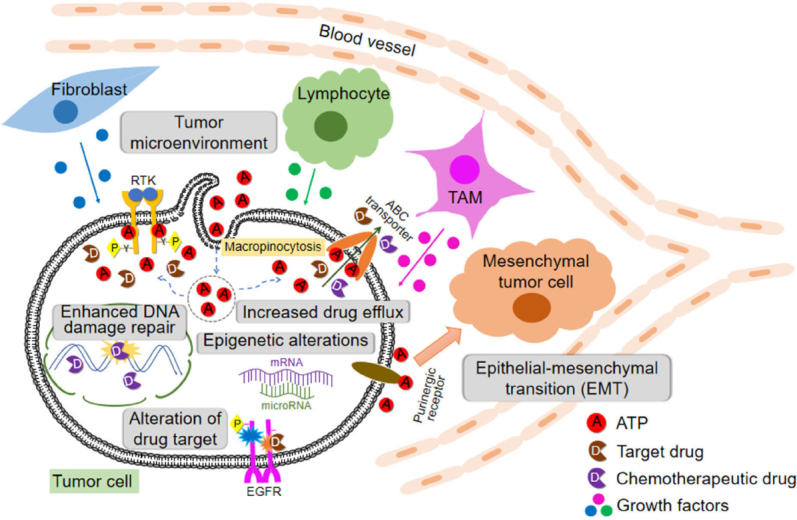
Cancer is the second leading cause of death in the US. Current major treatments for cancer management include surgery, cytotoxic chemotherapy, targeted therapy, radiation therapy, endocrine therapy and immunotherapy. Despite the endeavors and achievements made in treating cancers during the past decades, resistance to classical chemotherapeutic agents and/or novel targeted drugs continues to be a major problem in cancer therapies. Drug resistance, either existing before treatment (intrinsic) or generated after therapy (acquired), is responsible for most relapses of cancer, one of the major causes of death of the disease. Heterogeneity among patients and tumors, and the versatility of cancer to circumvent therapies make drug resistance more challenging to deal with. Better understanding the mechanisms of drug resistance is required to provide guidance to future cancer treatment and achieve better outcomes. In this review, intrinsic and acquired resistance will be discussed. In addition, new discoveries in mechanisms of drug resistance will be reviewed. Particularly, we will highlight roles of ATP in drug resistance by discussing recent findings of exceptionally high levels of intratumoral extracellular ATP as well as intracellular ATP internalized from extracellular environment. The complexity of drug resistance development suggests that combinational and personalized therapies, which should take ATP into consideration, might provide better strategies and improved efficacy for fighting drug resistance in cancer.
Keywords: ATP binding cassette transporters; Cancer stem cells; epigenetics; epithelial mesenchymal transition; extracellular ATP; macropinocytosis; microRNA.
Conflict of interest statement
Conflicts of interest All authors declared that there are no conflicts of interest.
Figures
References
-
- National Center for Health Statistics. Health, United States, 2015: with special feature on racial and ethnic health disparities. Hyattsville, MD: 2016. - PubMed
-
- American Cancer Society. Cancer Facts & Figures 2017. Atlanta: American Cancer Society; 2017.
Grants and funding
LinkOut - more resources
Full Text Sources
Other Literature Sources
Miscellaneous