


Impact of SARS-CoV-2 on neuropsychiatric disorders
- PMID: 34327127
- PMCID: PMC8311516
- DOI: 10.5498/wjp.v11.i7.347
Impact of SARS-CoV-2 on neuropsychiatric disorders
Abstract
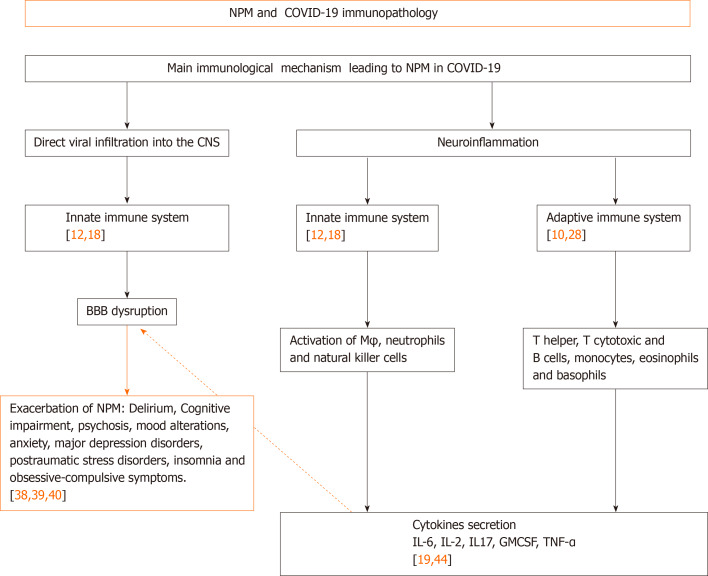
Evolving data show a variable expression of clinical neurological manifestations in patients suffering with coronavirus disease 2019 (COVID-19) from early disease onset. The most frequent symptoms and signs are fatigue, dizziness, impaired consciousness, ageusia, anosmia, radicular pain, and headache, as well as others. Based on the high number of series of cases reported, there is evidence for the implication of the immune system in the pathological mechanism of COVID-19. Although the exact role of the immunological mechanism is not elucidated, two main mechanisms are suggested which implicate the direct effect of severe acute respiratory syndrome coronavirus 2 infection in the central nervous system and neuroinflammation. In the context of neurological manifestations associated with COVID-19, neuropsychiatric disorders show an exacerbation and are described by symptoms and signs such as depression, anxiety, mood alterations, psychosis, post-traumatic stress disorder, delirium, and cognitive impairment, which appear to be common in COVID-19 survivors. A worsened score on psychopathological measures is seen in those with a history of psychiatric comorbidities. We review the neuropsychiatric manifestations associated with COVID-19 and some critical aspects of the innate and adaptive immune system involved in mental health disorders occurring in COVID-19.
Keywords: Adaptive immune response; COVID-19; Cytokine storm; Immunological mechanism; Innate immune response; Neuropsychiatric manifestation.
©The Author(s) 2021. Published by Baishideng Publishing Group Inc. All rights reserved.
Conflict of interest statement
Conflict-of-interest statement: Authors declare no conflict of interests for this article.
Figures
References
-
- Wohleb ES, Delpech JC. Dynamic cross-talk between microglia and peripheral monocytes underlies stress-induced neuroinflammation and behavioral consequences. Prog Neuropsychopharmacol Biol Psychiatry. 2017;79:40–48. - PubMed
Publication types
LinkOut - more resources
Full Text Sources
Miscellaneous
