


Consideration of antimicrobial resistance and contextual factors in infectious disease guidelines: a systematic survey
- PMID: 34330853
- PMCID: PMC8327810
- DOI: 10.1136/bmjopen-2020-046097
Consideration of antimicrobial resistance and contextual factors in infectious disease guidelines: a systematic survey
Abstract
Objectives: Guidelines that include antimicrobial recommendations should explicitly consider contextual factors that influence antimicrobial resistance and their downstream effects on resistance selection. The objectives were to analyse (1) how, and to what extent, tuberculosis, gonorrhoea and respiratory tract infection guidelines are considering antimicrobial resistance; (2) are of acceptable quality and (3) if they can be easily contextualised to fit the needs of specific populations and health systems.
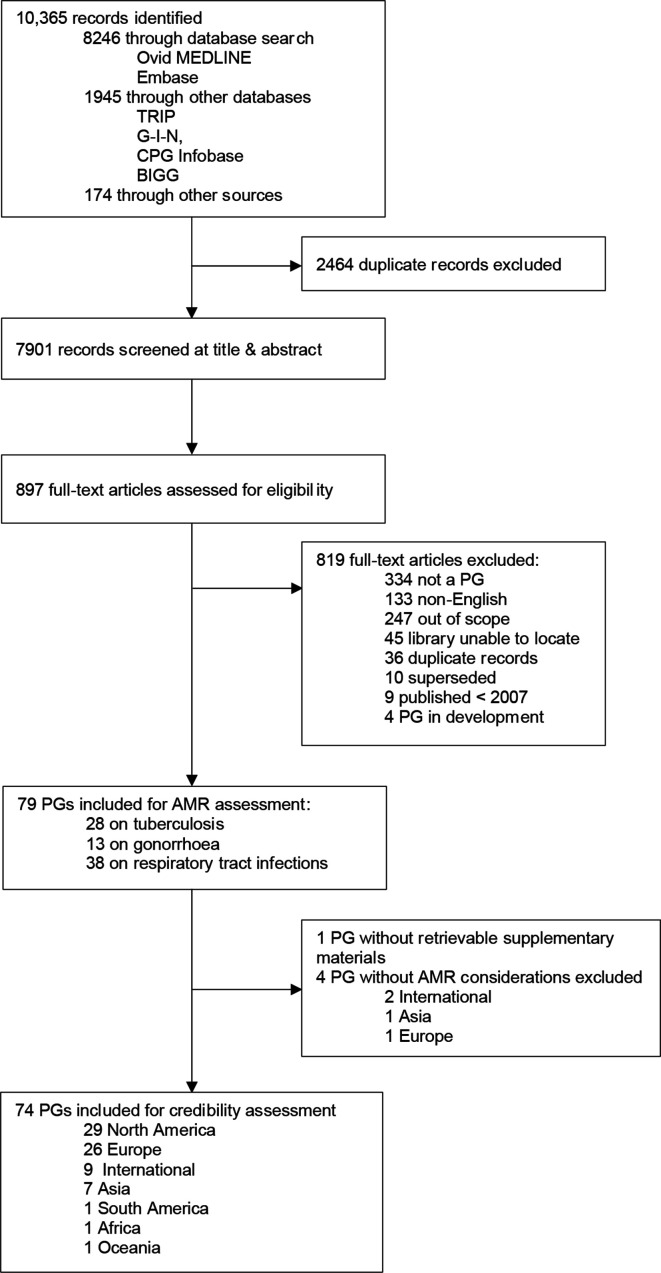
Methods: We conducted a systematic review and searched Ovid MEDLINE and Embase from 1 January 2007 to 7 June 2019 for tuberculosis, gonorrhoea and respiratory tract infection guidelines published in English. We also searched guideline databases, key websites and reference lists. We identified guidelines and recommendations that considered contextual factors including antimicrobial resistance, values, resource use, equity, acceptability and feasibility. We assessed quality of the guidelines using the Appraisal of Guidelines for Research and Evaluation II tool focusing on the domains scope and purpose, rigour of development, and editorial independence.
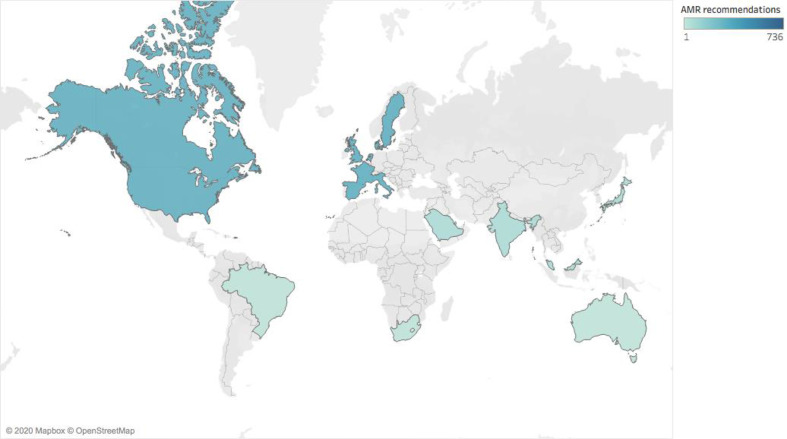
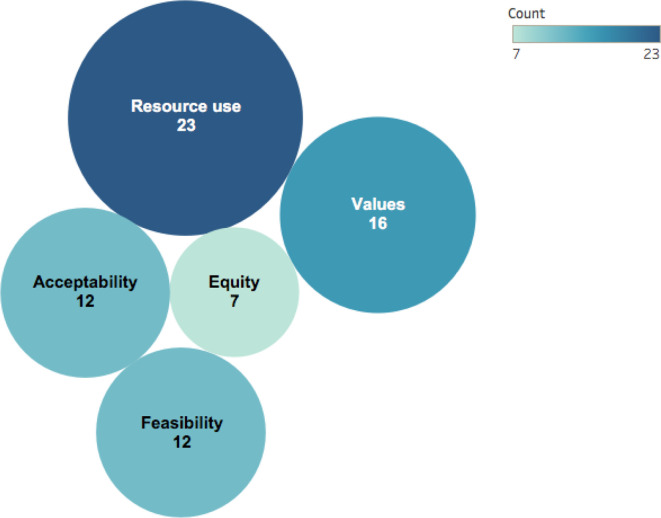
Results: We screened 10 365 records, of which 74 guidelines met inclusion criteria. Of these guidelines, 39% (n=29/74) met acceptable quality scores. Approximately two-thirds of recommendations considered antimicrobial resistance at the population and/or outcome level. Five of the 29 guidelines reported all factors required for recommendation contextualisation. Equity was the least considered across guidelines.
Discussion: Relatively few guidelines for highly prevalent infectious diseases are considering resistance at a local level, and many do not consider contextual factors necessary for appropriate antimicrobial use. Improving the quality of guidelines targeting specific regional areas is required.
Prospero registration number: CRD42020145235.
Keywords: Antimicrobial resistance; GRADE; contexts; gonorrhoea; guidelines; recommendations; respiratory tract infections; tuberculosis.
© Author(s) (or their employer(s)) 2021. Re-use permitted under CC BY-NC. No commercial re-use. See rights and permissions. Published by BMJ.
Conflict of interest statement
Competing interests: None declared.
Figures

References
-
- Organization WH . Global action plan on antimicrobial resistance, 2015. ISBN: 978 92 4 150976 3.
Publication types
MeSH terms
Substances
Grants and funding
LinkOut - more resources
Full Text Sources
Medical
Miscellaneous
