


The prevalence of olfactory and gustatory dysfunction in covid-19 - A systematic review
- PMID: 34332803
- PMCID: PMC8279934
- DOI: 10.1016/j.anl.2021.07.007
The prevalence of olfactory and gustatory dysfunction in covid-19 - A systematic review
Abstract
Objectives: Loss of smell or taste are early symptoms of COVID-19. Given the high asymptomatic rate of COVID-19, as well as unreliable temperature checking and contact history taking, it is important to understand the role of olfactory and gustatory dysfunction (OGD) in the diagnosis of COVID-19. The aim of this study is to determine how initial symptoms of OGD can be used to screen patients for COVID-19 laboratory testing.
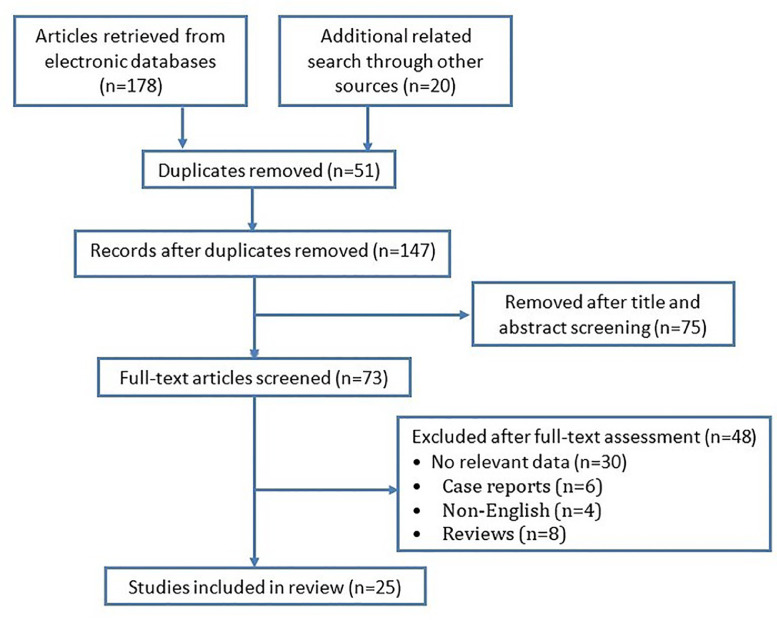
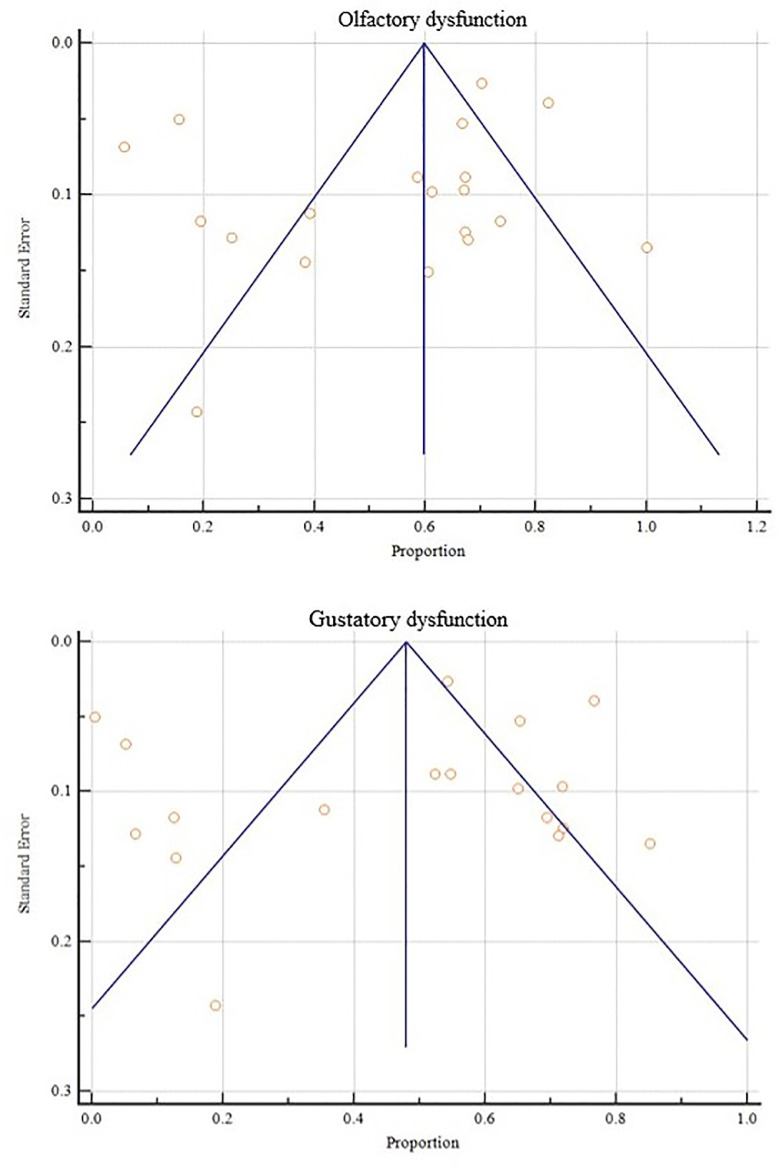
Methods: We followed recommendations from the Preferred Reporting Items for Systemic Reviews and Meta-analysis (PRISMA) statement to conduct this systematic review study. We used OGD-related key words to search for literature published between January 1, 2020 and September 30, 2020 on Pubmed, Ovid Medline databases. We estimated the prevalence of OGD and compared it with that of other OGD-related symptoms. The weighted summary proportion under the fixed and random effects model was assessed using MedCalc statistical software. Whenever there was heterogeneity, a random effects model was selected. Publication bias was assessed by funnel plot asymmetry and Egger's regression test.
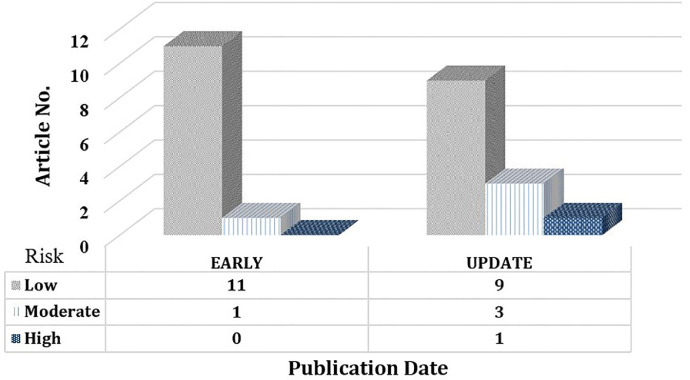
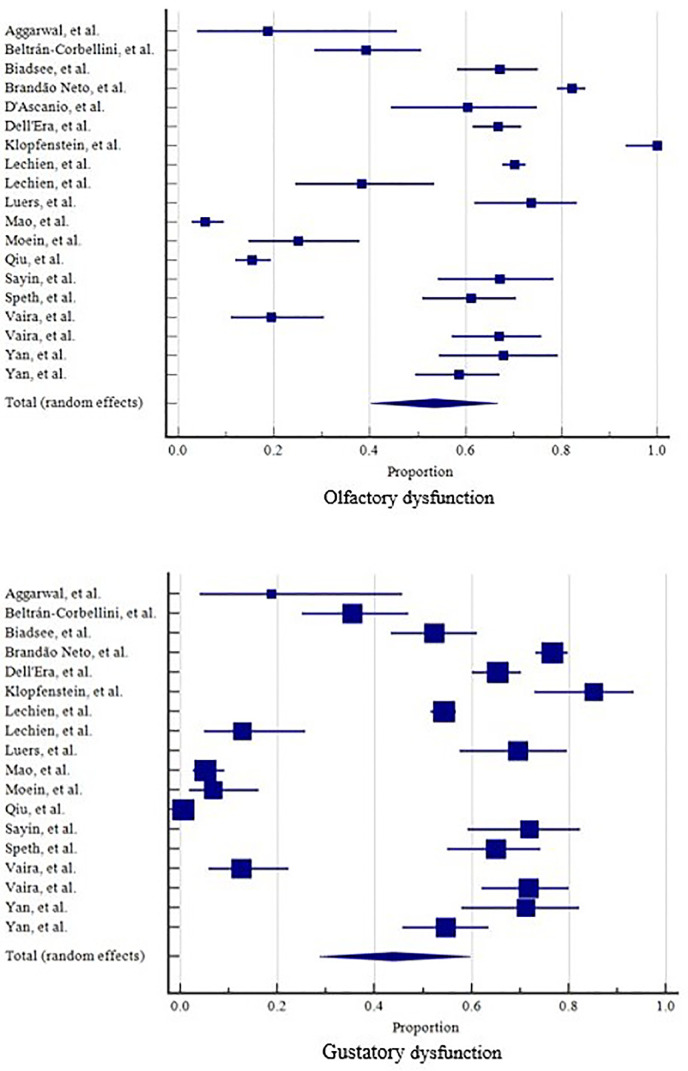
Results: A total of 25 articles (evidence level III:5; IV:20) were identified and reviewed. Data synthesis of 19 articles revealed that the pooled prevalence of olfactory dysfunction in COVID-19 is 53.56% (range 5.6-100%, 95% CI 40.25-66.61%). The pooled prevalence of gustatory dysfunction in COVID-19 is 43.93% (range 1.5-85.18%, 95% CI 28.72-59.74%), just behind fever (62.22%, range 18.18-95.83%, 95% CI 54.82-69.33%), cough (64.74%, range 38.89-87.5%, 95% CI 57.97-71.22%), and fatigue (56.74%, range 6.25-93.62%, 95% CI 32.53-79.35%). The prevalence of gustatory dysfunction in subgroup with objective evaluation is lower than those without (9.91% vs. 49.21%, relive risk 2.82, p<0.001).
Conclusion: Our updated systematic review attests that OGD is an important early symptom of COVID-19 infection. Screening for OGD should be further emphasized to prioritize patients for laboratory test.
Keywords: COVID-19; Meta-analysis; Nasal symptoms; Olfactory and gustatory dysfunction (OGD); Systematic review.
Copyright © 2021 Japanese Society of Otorhinolaryngology-Head and Neck Surgery, Inc. Published by Elsevier B.V. All rights reserved.
Conflict of interest statement
Declaration of Competing Interest The Author(s) declare(s) that there is no conflict of interest.
Figures
References
-
- Seladi-Schulman J. Coronavirus vs. SARS: How Do They Differ? Healthline Web sites. Available at: https://www.healthline.com/health/coronavirus-vs-sars. Accessed September 6, 2020.
Publication types
MeSH terms
LinkOut - more resources
Full Text Sources
Medical
