


Effect of Carnosine or β-Alanine Supplementation on Markers of Glycemic Control and Insulin Resistance in Humans and Animals: A Systematic Review and Meta-analysis
- PMID: 34333586
- PMCID: PMC8634390
- DOI: 10.1093/advances/nmab087
Effect of Carnosine or β-Alanine Supplementation on Markers of Glycemic Control and Insulin Resistance in Humans and Animals: A Systematic Review and Meta-analysis
Abstract
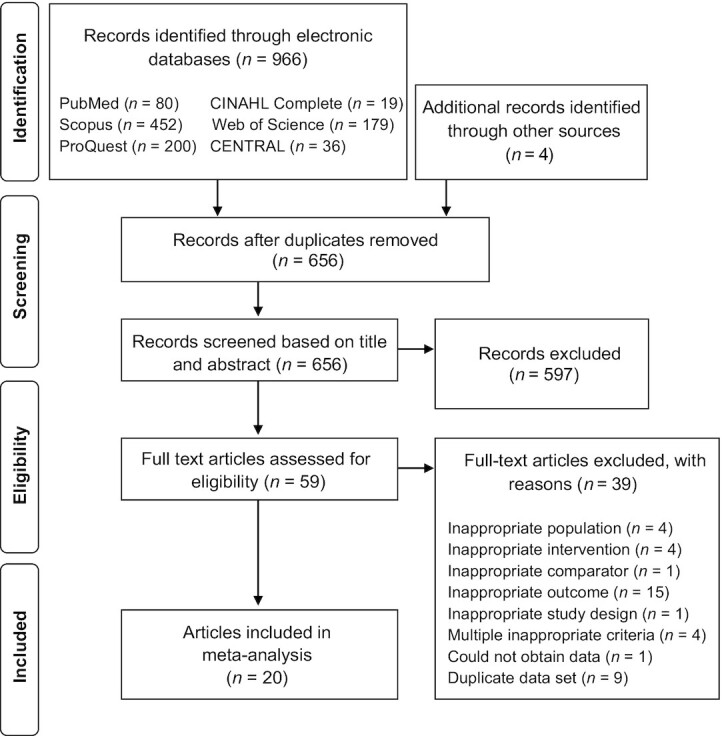
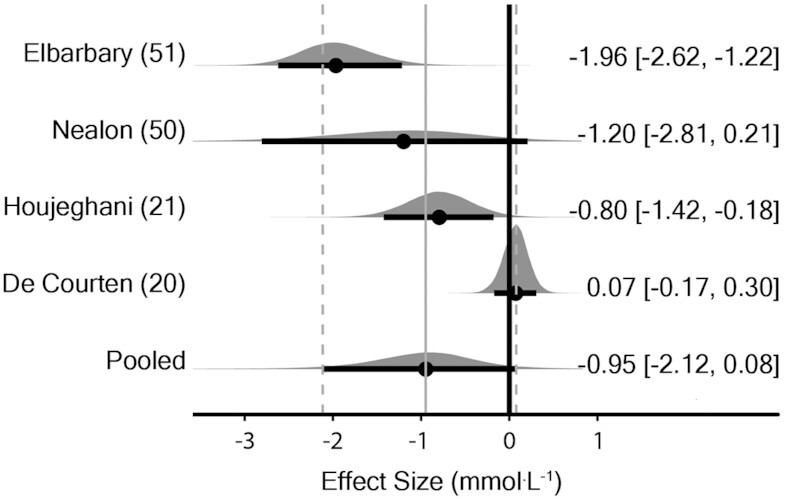
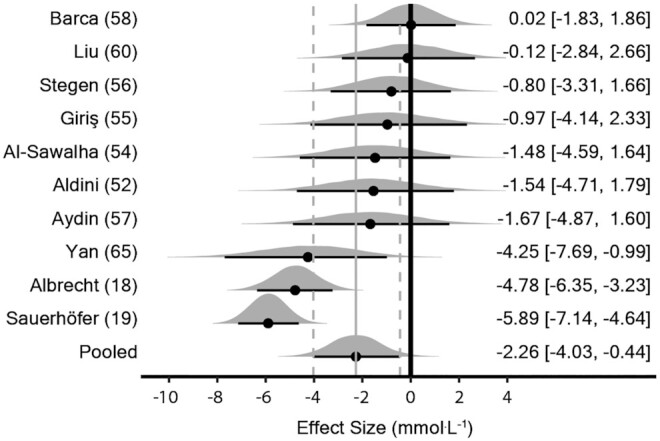
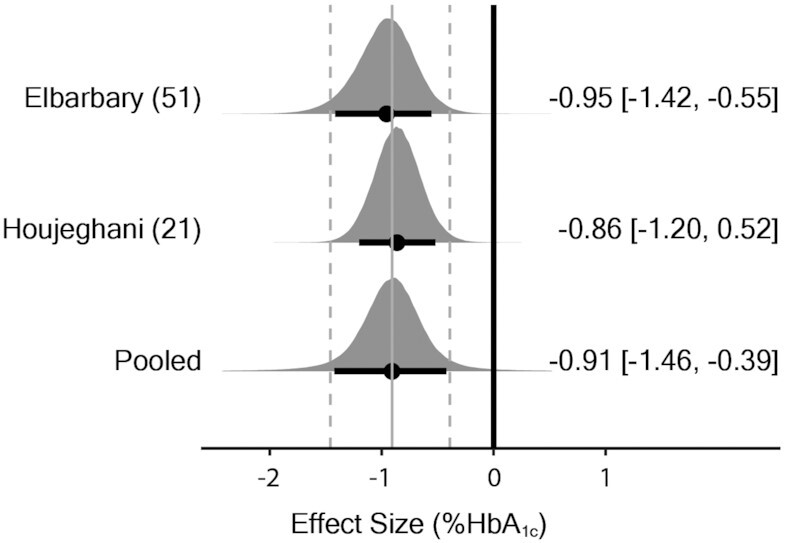
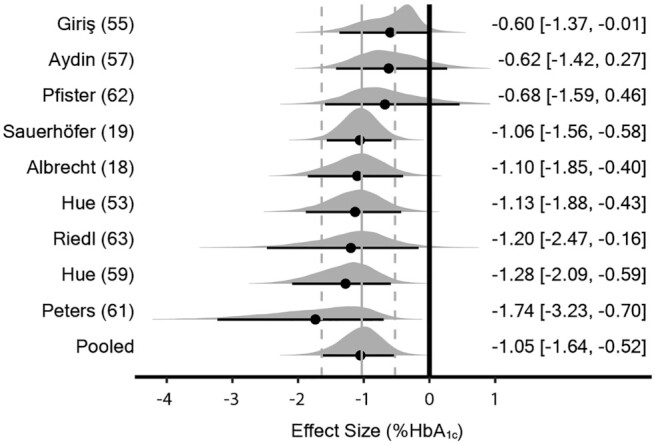
There is growing evidence that supplementation with carnosine, or its rate-limiting precursor β-alanine, can ameliorate aspects of metabolic dysregulation that occur in diabetes and its related conditions. The purpose of this systematic review and meta-analysis was to evaluate the effect of carnosine or β-alanine supplementation on markers of glycemic control and insulin resistance in humans and animals. We performed a systematic search of 6 electronic databases up to 31 December 2020. Primary outcomes were changes in 1) fasting glucose, 2) glycated hemoglobin (HbA1c), and 3) 2-h glucose following a glucose-tolerance test. A set of additional outcomes included fasting insulin and homeostatic model assessment of β-cell function (HOMA-β) and insulin resistance (HOMA-IR). We assessed risk of bias using the Cochrane risk of bias (RoB) 2.0 (human studies) and the Systematic Review Center for Laboratory Animal Experimentation (SYRCLE) RoB (animal studies) tools; and used the Grading of Recommendations Assessment, Development, and Evaluation (GRADE) approach to assess certainty. We used Bayesian hierarchical random-effects models, with informative priors for human data and noninformative priors for animal data. Inferences were made on posterior samples generated by Hamiltonian Markov Chain Monte Carlo using 90% credible intervals (90% CrI) and calculated probabilities. Twenty studies (n = 4 human, n = 16 rodent) were included, providing data for 2 primary outcomes (fasting glucose and HbA1c) and 3 additional outcomes (fasting insulin, HOMA-β, and HOMA-IR). The model provides evidence that supplementation decreases fasting glucose [humans: mean difference (MD)0.5 = -0.95 mmol · L-1 (90% CrI: -2.1, 0.08); rodent: MD0.5 = -2.26 mmol · L-1 (90% CrI: -4.03, -0.44)], HbA1c [humans: MD0.5 = -0.91% (90% CrI: -1.46, -0.39); rodents: MD0.5 = -1.05% (90% CrI: -1.64, -0.52)], HOMA-IR [humans: standardized mean difference (SMD)0.5 = -0.41 (90% CrI: -0.82, -0.07); rodents: SMD0.5 = -0.63 (90% CrI: -1.98, 0.65)], and fasting insulin [humans: SMD0.5 = -0.41 (90% CrI: -0.77, -0.07)]. GRADE assessment showed our certainty in the effect estimate of each outcome to be moderate (human outcomes) or very low (rodent outcomes). Supplementation with carnosine or β-alanine may reduce fasting glucose, HbA1c, and HOMA-IR in humans and rodents, and fasting insulin in humans; both compounds show potential as therapeutics to improve glycemic control and insulin resistance. This review was registered at PROSPERO as CRD42020191588.
Keywords: endocrinology; histidine; metabolic health; metabolism; nutrition; obesity.
© The Author(s) 2021. Published by Oxford University Press on behalf of the American Society for Nutrition.
Figures
References
-
- Saeedi P, Petersohn I, Salpea P, Malanda B, Karuranga S, Unwin N, Colagiuri S, Guariguata L, Motala AA, Ogurtsova Ket al. Global and regional diabetes prevalence estimates for 2019 and projections for 2030 and 2045: results from the International Diabetes Federation Diabetes Atlas. 9th ed. Diabetes Res Clin Pract. 2019;157:107843. - PubMed
-
- Kahn SE. The relative contributions of insulin resistance and beta-cell dysfunction to the pathophysiology of type 2 diabetes. Diabetologia. 2003;46(1):3–19. - PubMed
-
- Ligthart S, van Herpt TTW, Leening MJG, Kavousi M, Hofman A, Stricker BHC, van Hoek M, Sijbrands EJG, Franco OH, Dehghan Aet al. Lifetime risk of developing impaired glucose metabolism and eventual progression from prediabetes to type 2 diabetes: a prospective cohort study. Lancet Diabetes Endocrinol. 2016;4(1):44–51. - PubMed
-
- Lindahl B, Nilssön TK, Borch-Johnsen K, Røder ME, Söderberg S, Widman L, Johnson O, Hallmans G, Jansson JH. A randomized lifestyle intervention with 5-year follow-up in subjects with impaired glucose tolerance: pronounced short-term impact but long-term adherence problems. Scand J Public Health. 2009;37(4):434–42. - PubMed
-
- Artioli GG, Sale C, Jones RL. Carnosine in health and disease. EJSS. 2019;19(1):30–9. - PubMed
