


Teleneurorehabilitation program (virtual reality) for patients with balance disorders: descriptive study
- PMID: 34340687
- PMCID: PMC8330090
- DOI: 10.1186/s13102-021-00314-z
Teleneurorehabilitation program (virtual reality) for patients with balance disorders: descriptive study
Abstract
Background: Balance disorders are common in patients with neurological or vestibular diseases. Telerehabilitation program is a treatment to be as safe as conventional treatment. One of the most used methods to perform telerehabilitation is the incorporation of Virtual Reality. In general, rehabilitation programs train predictive postural control, so the patient does not always acquire the necessary autonomy to react to situations of instability. On the other hand, the objective and systematic supervision and measurement of these programs is limited, making it necessary to create clinical protocols with precise and measurable rehabilitation objectives. This study present the training selection methodology and clinical protocol for patients with balance disorders inserted in a Telerehabilitation Program based on Virtual Reality.
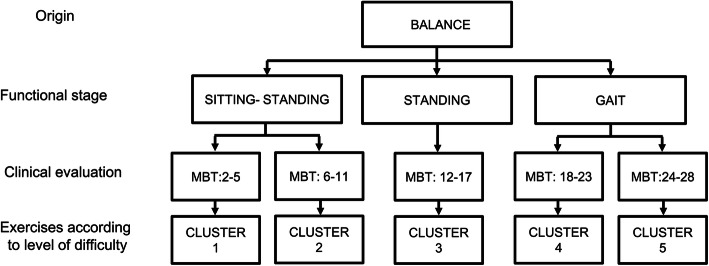
Methods: Descriptive study where physiotherapists were trained to use RehaMetrics®. To evaluate their level of agreement in the selection of the exercise clusters developed, the Interobserver Reliability was measured through the kappa statistic. Subsequently, the exercises were applied to a group of patients recruited with sedentary trunk control (Berg Balance Scale = 3 points in item 3), mild or normal cognitive level (Montreal Cognitive Assessment> 21 points), and prescribed for tele-rehabilitation by a doctor.
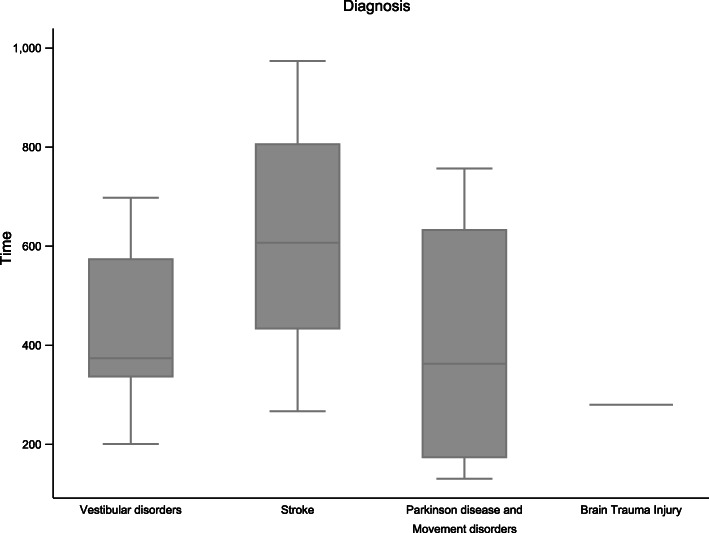
Results: The agreement among the expert physiotherapists irrespective of the cluster exceeds 80%, which indicates a very good strength of agreement, while the novices reached a level of agreement of 45%, which suggests a moderate strength of agreement. All clinical outcomes showed statistically significant differences between the median times, as did the Maximum Width Left Side (MWLS) (cm). The average number of minutes of training was 485.81 (SD 246.49 min), and the number of sessions performed during the 4 weeks of intervention was 17 (SD 7.15 sessions).
Conclusions: This analysis what had excellent interobserver reliability with trained physiotherapists. Regarding the second phase of the study, the results show a statistically significant difference between the initial and final evaluation of the clinical tests, which could result in better performance in aspects such as: balance, gait functionality, meter walked and cognition. Telerehabilitation Program based on Virtual Reality is an excellent alternative to provide continuity of treatment to patients with balance disorders.
Keywords: Balance; Clinical outcomes; Reliability; Telerehabilitation; Virtual reality.
© 2021. The Author(s).
Conflict of interest statement
The authors declare that they have no competing interests.
Figures


References
LinkOut - more resources
Full Text Sources
