


Molecular bacterial load assay versus culture for monitoring treatment response in adults with tuberculosis
- PMID: 34349999
- PMCID: PMC8287413
- DOI: 10.1177/20503121211033470
Molecular bacterial load assay versus culture for monitoring treatment response in adults with tuberculosis
Abstract
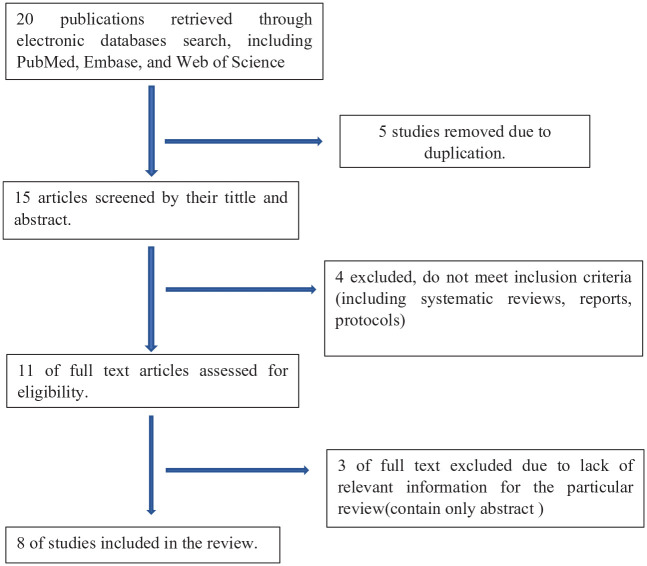
The lack of rapid, sensitive, and deployable tuberculosis diagnostic tools is hampering the early diagnosis of tuberculosis and early detection of treatment failures. The conventional sputum smear microscopy or Xpert MTB/RIF assay cannot distinguish between alive and dead bacilli and the culture method delays providing results. Tuberculosis molecular bacterial load assay is a reverse transcriptase real-time quantitative polymerase chain reaction that quantifies viable tuberculosis bacillary load as a marker of treatment response for patients on anti-tuberculosis therapy. However, results are not synthesized enough to inform its comparative advantage to tuberculosis culture technique which is yet the gold standard of care. With this review, we searched electronic databases, including PubMed, Embase, and Web of Science, from March 2011 up to February 2021 for clinical trials or prospective cohort studies that compared tuberculosis molecular bacterial load assay with tuberculosis culture in adults. We included eight studies that meet the inclusion criteria. Tuberculosis molecular bacterial load assay surpasses culture in monitoring patients with tuberculosis during the first few weeks of anti-tuberculosis treatment. It is more desirable over culture for its shorter time to results, almost zero rates of contamination, need for less expertise on the method, early rate of decline, lower running cost, and reproducibility. Its rapid and specific tuberculosis treatment monitoring competency benefits patients and healthcare providers to monitor changes of bacillary load among isolates with drug-susceptible or resistance to anti-tuberculosis regimens. Despite of the high installing cost of the tuberculosis molecular bacterial load assay method, molecular expertise, and a well-equipped laboratory, tuberculosis molecular bacterial load assay is a cost-effective method with comparison to culture in operational running. To achieve maximum utility in high tuberculosis burden settings, an intensive initial investment in nucleic acid extraction and polymerase chain reaction equipment, training in procedures, and streamlining laboratory supply procurement systems are crucial. More evidence is needed to demonstrate the potential large-scale and sustainable use of tuberculosis molecular bacterial load assay over culture in resource-constrained settings.
Keywords: Tuberculosis; culture; treatment monitoring; tuberculosis molecular bacterial load assay.
© The Author(s) 2021.
Conflict of interest statement
Declaration of conflicting interests: The author(s) declared no potential conflicts of interest with respect to the research, authorship, and/or publication of this article.
References
-
- Visca D, Centis R, Munoz-Torrico M, et al. Post-tuberculosis sequelae: the need to look beyond treatment outcome. Int J Tuberc Lung Dis 2020; 24(8): 761–762. - PubMed
-
- Alemu A, Bitew ZW, Worku T. Poor treatment outcome and its predictors among drug-resistant tuberculosis patients in Ethiopia: a systematic review and meta-analysis. Int J Infect Dis 2020; 98: 420–439. - PubMed
-
- Chedid C, Kokhreidze E, Tukvadze N, et al. Association of baseline white blood cell counts with tuberculosis treatment outcome: a prospective multicentered cohort study. Int J Infect Dis 2020; 100: 199–206. - PubMed
-
- Manyazewal T, Marinucci F, Belay G, et al. Implementation and evaluation of a blended learning course on tuberculosis for front-line health care professionals. Am J Clin Pathol 2017; 147(3): 285–291. - PubMed
Publication types
Grants and funding
LinkOut - more resources
Full Text Sources
