


Strawberry and Ginger Silver Nanoparticles as Potential Inhibitors for SARS-CoV-2 Assisted by In Silico Modeling and Metabolic Profiling
- PMID: 34356745
- PMCID: PMC8300822
- DOI: 10.3390/antibiotics10070824
Strawberry and Ginger Silver Nanoparticles as Potential Inhibitors for SARS-CoV-2 Assisted by In Silico Modeling and Metabolic Profiling
Abstract
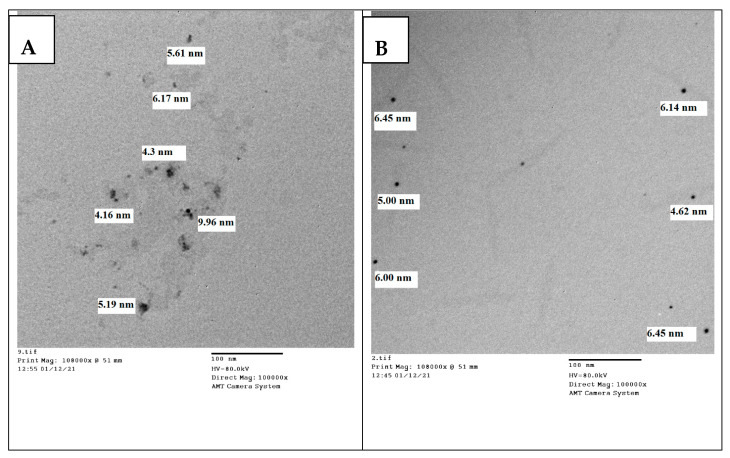
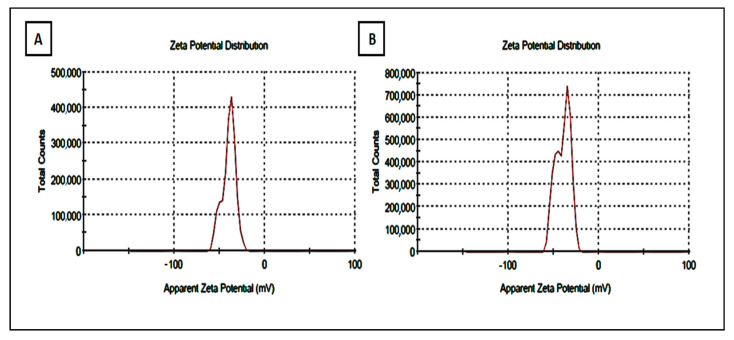
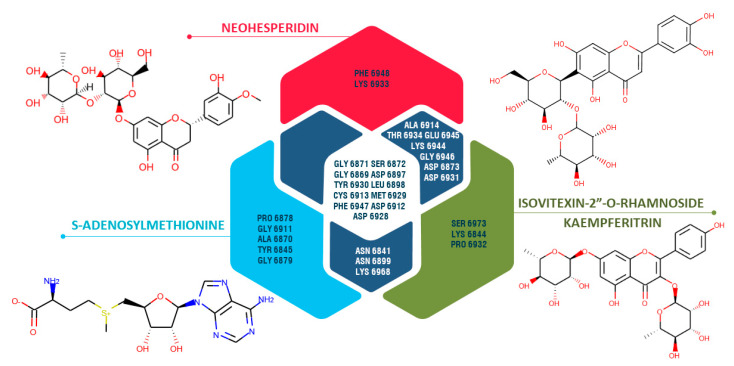
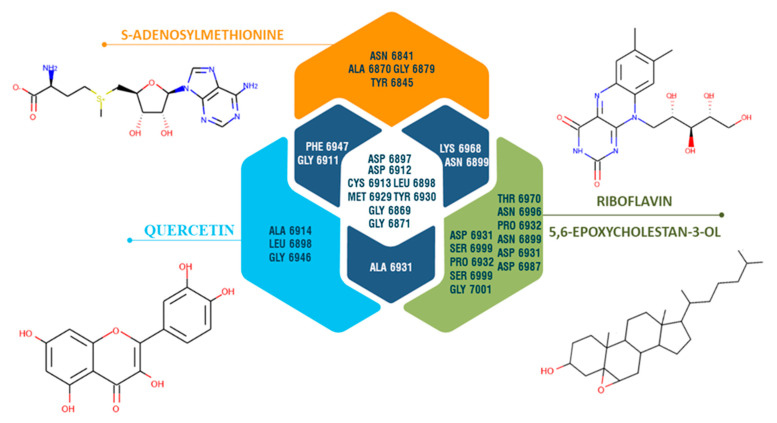
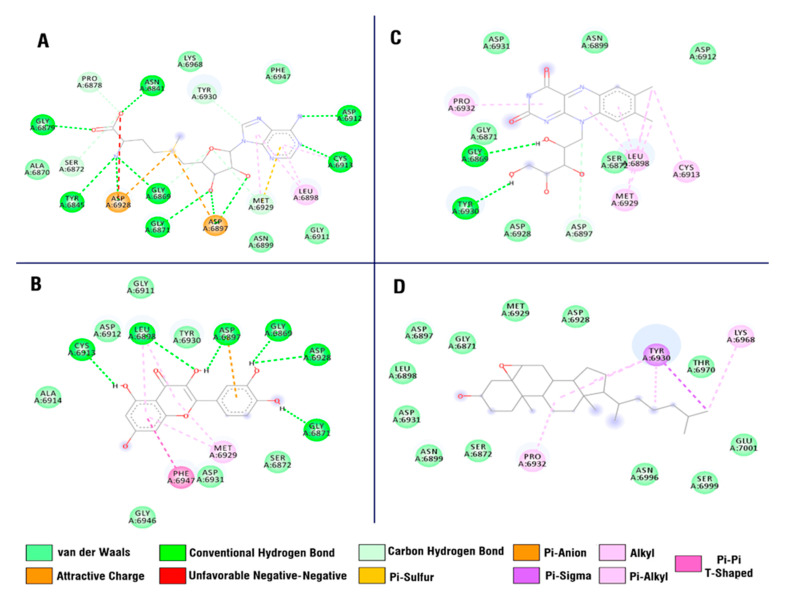
SARS-CoV-2 (COVID-19), a novel coronavirus causing life-threatening pneumonia, caused a pandemic starting in 2019 and caused unprecedented economic and health crises all over the globe. This requires the rapid discovery of anti-SARS-CoV-2 drug candidates to overcome this life-threatening pandemic. Strawberry (Fragaria ananassa Duch.) and ginger (Zingiber officinale) methanolic extracts were used for silver nanoparticle (AgNPs) synthesis to explore their SARS-CoV-2 inhibitory potential. Moreover, an in silico study was performed to explore the possible chemical compounds that might be responsible for the anti-SARS-CoV-2 potential. The characterization of the green synthesized AgNPs was carried out with transmission electron microscope (TEM), Fourier-transform infrared, spectroscopy ultraviolet-visible spectroscopy, zeta potential, and a dynamic light-scattering technique. The metabolic profiling of strawberry and ginger methanolic extract was assessed using liquid chromatography coupled with high-resolution mass spectrometry. The antiviral potential against SARS-CoV-2 was evaluated using an MTT assay. Moreover, in silico modeling and the molecular dynamic study were conducted via AutoDock Vina to demonstrate the potential of the dereplicated compounds to bind to some of the SARS-CoV-2 proteins. The TEM analysis of strawberry and ginger AgNPs showed spherical nanoparticles with mean sizes of 5.89 nm and 5.77 nm for strawberry and ginger, respectively. The UV-Visible spectrophotometric analysis showed an absorption peak at λmax of 400 nm for strawberry AgNPs and 405 nm for ginger AgNPs. The Zeta potential values of the AgNPs of the methanolic extract of strawberry was -39.4 mV, while for AgNPs of ginger methanolic extract it was -42.6 mV, which indicates a high stability of the biosynthesized nanoparticles. The strawberry methanolic extract and the green synthesized AgNPs of ginger showed the highest antiviral activity against SARS-CoV-2. Dereplication of the secondary metabolites from the crude methanolic extracts of strawberry and ginger resulted in the annotation of different classes of compounds including phenolic, flavonoids, fatty acids, sesquiterpenes, triterpenes, sterols, and others. The docking study was able to predict the different patterns of interaction between the different compounds of strawberry and ginger with seven SARS-CoV-2 protein targets including five viral proteins (Mpro, ADP ribose phosphatase, NSP14, NSP16, PLpro) and two humans (AAK1, Cathepsin L). The molecular docking and dynamics simulation study showed that neohesperidin demonstrated the potential to bind to both human AAK1 protein and SARS-CoV-2 NSP16 protein, which makes this compound of special interest as a potential dual inhibitor. Overall, the present study provides promise for Anti-SARS-CoV-2 green synthesized AgNPs, which could be developed in the future into a new anti-SARS-CoV-2 drug.
Keywords: SARS-CoV-2; ginger; in silico modeling; metabolomic profiling; nanoparticles; strawberry.
Conflict of interest statement
The authors report no conflicts of interest in this work.
Figures




References
-
- Wang D., Huang J., Yeung A.W.K., Tzvetkov N.T., Horbańczuk J.O., Willschke H., Gai Z., Atanasov A.G. The significance of natural product derivatives and traditional medicine for COVID-19. Processes. 2020;8:937. doi: 10.3390/pr8080937. - DOI
LinkOut - more resources
Full Text Sources
Miscellaneous
