. 2021 Sep 22;6(18):e148003.
doi: 10.1172/jci.insight.148003.

Ex vivo SARS-CoV-2 infection of human lung reveals heterogeneous host defense and therapeutic responses

Affiliations

Ex vivo SARS-CoV-2 infection of human lung reveals heterogeneous host defense and therapeutic responses

Matthew A Schaller et al. JCI Insight. .

Abstract

Cell lines are the mainstay in understanding the biology of COVID-19 infection but do not recapitulate many of the complexities of human infection. The use of human lung tissue is one solution for the study of such novel respiratory pathogens. We hypothesized that a cryopreserved bank of human lung tissue would allow for the ex vivo study of the interindividual heterogeneity of host response to SARS-CoV-2, thus providing a bridge between studies with cell lines and studies in animal models. We generated a cryobank of tissues from 21 donors, many of whom had clinical risk factors for severe COVID-19. Cryopreserved tissues preserved 90% cell viability and contained heterogenous populations of metabolically active epithelial, endothelial, and immune cell subsets of the human lung. Samples were readily infected with HCoV-OC43 and SARS-CoV-2 and demonstrated comparable susceptibility to infection. In contrast, we observed a marked donor-dependent heterogeneity in the expression of IL6, CXCL8, and IFNB1 in response to SARS-CoV-2. Treatment of tissues with dexamethasone and the experimental drug N-hydroxycytidine suppressed viral growth in all samples, whereas chloroquine and remdesivir had no detectable effect. Metformin and sirolimus, molecules with predicted but unproven antiviral activity, each suppressed viral replication in tissues from a subset of donors. In summary, we developed a system for the ex vivo study of human SARS-CoV-2 infection using primary human lung tissue from a library of donor tissues. This model may be useful for drug screening and for understanding basic mechanisms of COVID-19 pathogenesis.

Keywords: COVID-19; Cellular immune response; Drug screens; Inflammation.


Figures
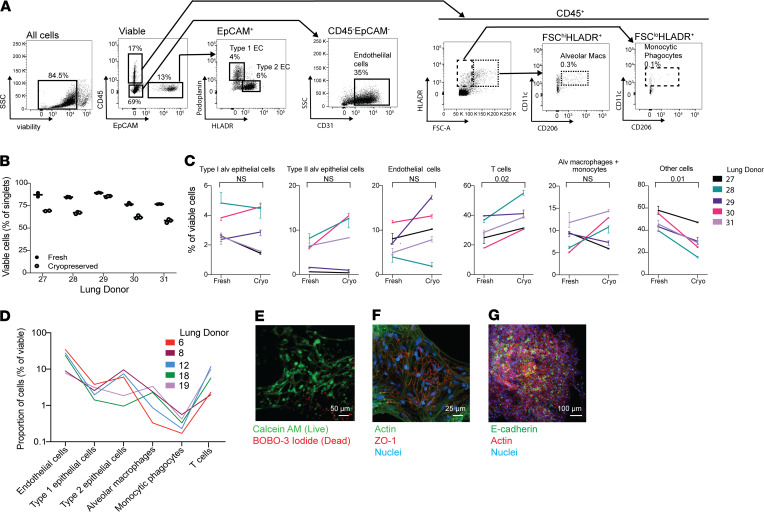
Figure 1
Figure 1. Lung microtissues are viable after cryopreservation.
(A) The composition of cryopreserved lung was assessed by flow cytometry. Measured populations include type I and type II alveolar epithelial cells, endothelial cells, monocytes/macrophages, and T cell populations. (B) Proportion of viable cells in fresh and cryopreserved lung tissue from 5 donors. Samples were run in duplicate before and after cryopreservation. (C) The cellular composition of lung tissue, with a focus on the cell types depicted in A before and after cryopreservation for each of the 5 donors in B. Each line represents the average population present in 2–3 samples, consisting of 20–40 microtissues, from each donor. Error bars indicate variation in the technical replicates for each donor. (D) The cellular composition of cryopreserved samples from an additional 5 donors (separate from those in A and B) was assessed using the gating strategy depicted in C. (E) Viability of cryopreserved tissues was assessed by microscopy using Calcein AM and BOBO-3 iodide in microtissues cultured for 48 hours. Scale bar: 50 μm. (F) Tight junctions in cultured microtissues were also assessed using ZO-1 with costaining for actin and DAPI. Scale bar: 25 μm. (G) Microtissues stained with E-cadherin demonstrate the presence of epithelial cell populations within the cryopreserved samples. Scale bar: 100 μm.
Figure 2
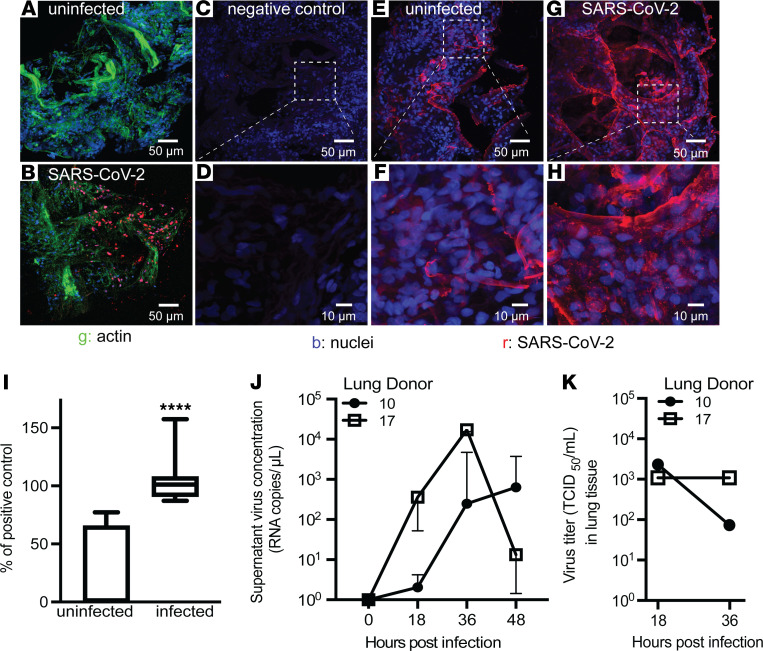
Figure 2. Lung microtissues can be infected with SARS-CoV-2.
(A and B) Micrographs of lung tissue stained with a 1:1 mix of antibodies for spike and nucleocapsid protein to detect SARS-CoV-2 and actin. (C and D) RNA in situ hybridization of SARS-CoV-2–infected lung tissue with a negative control probe specific for the DapB gene of Bacillus subtilis. (EH) RNA in situ hybridization of lung tissue using a probe specific for the negative strand of the subgenomic E gene of SARS-CoV-2 at 24 hours after infection. Images are representative of microscopy performed on tissue from 2 donors. (I) Quantitative PCR for the subgenomic E gene of SARS-CoV-2 in 16 donors at 24 hours after infection. Range of uninfected samples = 0–77.2, mean = 25.8, standard deviation = 34.6. Range of infected samples = 87.4–157.4, mean = 103.1, standard deviation = 16.7. Significance was determined by the nonparametric Mann-Whitney U test. (J) Copies of SARS-CoV-2 detected in tissue culture supernatant at the indicated time after the start of infection. Samples were infected for 12 hours with 104 PFU and then washed and transferred to fresh media in a new plate. At each time point40 μL aliquots were collected. Error bars are from triplicate wells collected from each donor at each time point. (K) TCID50 assay of lung homogenate using tissue from the same donors as in J at 18 and 36 hours after infection. TCID50 was determined by counting 6 wells per donor at each dilution.
Figure 3
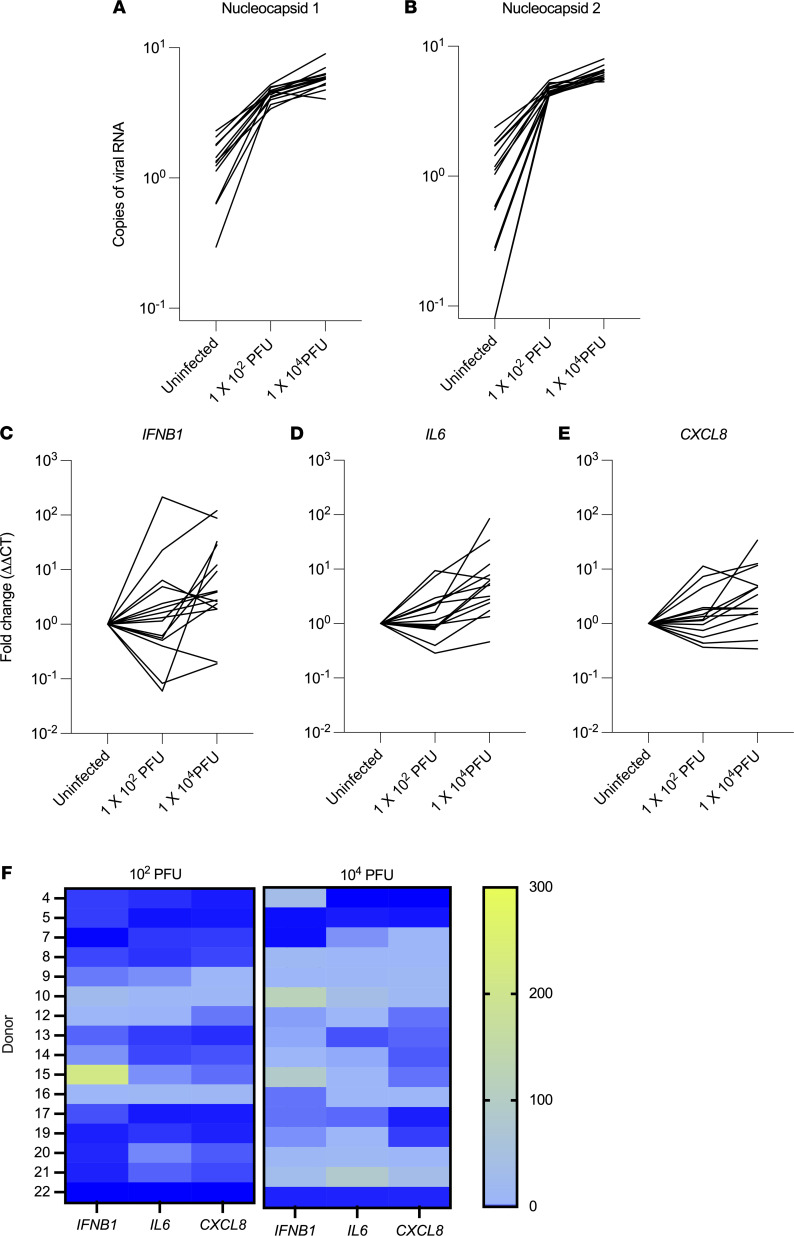
Figure 3. Heterogeneity in the host response to SARS-CoV-2 infection.
(A and B) Assessment of viral copy numbers in microtissues from 16 different donors infected with SARS-CoV-2 for 24 hours. (CE) Measurement of the host response to infection, including expression of IFNB1, IL6, and CXCL8 in these same samples. In AE, 2-way ANOVA indicates significant interaction between the donor and the dose of virus used (P < 0.0001), with both factors contributing to the variance in the response. (F) Heatmaps comparing the level of cytokines in each donor at each dose of virus.
Figure 4
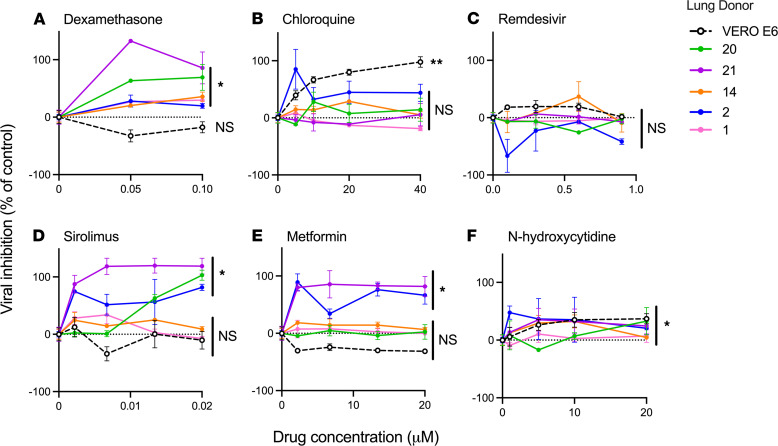
Figure 4. Drug treatment reduces viral titer in lung microtissues.
(AF) The percentage inhibition in viral titer for 6 different drugs in 5 different donors and the Vero E6 cell line. For DMSO-soluble drugs (remdesivir and sirolimus), the percentage inhibition was calculated using infected samples treated with an equivalent amount of DMSO. Significance was determined using a 2-way ANOVA to test for interaction between individual donors and the dose of drug. Three technical replicates were analyzed for each donor and treatment. *P < 0.05; **P < 0.01.
Figure 5
Figure 5. Production of inflammatory mediators is unaffected by dexamethasone treatment.
(AF) The production of inflammatory mediators is increased in lung tissue as a result of SARS-CoV-2 infection. Significance was determined with 90% confidence (P < 0.1) by repeated measures ANOVA. In cases where values were undetected, they were counted as 0 pg/mL. (G) The average cytokine value for each donor in infected tissue that was untreated or treated with 50 nM dexamethasone. Three technical replicates were analyzed for each donor and treatment.

References

    1. doi: 10.1101/2020.07.27.212076. Salahudeen AA, et al. Progenitor identification and SARS-CoV-2 infection in long-term human distal lung organoid cultures [preprint]. Posted on bioRxiv July 27, 2020. - DOI - PMC - PubMed
    1. doi: 10.1101/2020.05.05.079095. Han Y, et al. Identification of candidate COVID-19 therapeutics using hPSC-derived lung organoids [preprint]. Posted on bioRxiv May 5, 2020. - DOI
    1. doi: 10.1101/2020.04.13.039917. Si L, et al. Human organs-chips enabled pipeline to rapidly repurpose therapeutics during viral pandemics [preprint]. Posted on bioRxiv August 19, 2020. - DOI
    1. Davies PL, Hew CL. Biochemistry of fish antifreeze proteins. FASEB J. 1990;4(8):2460–2468. doi: 10.1096/fasebj.4.8.2185972. - DOI - PubMed
    1. Rajan R, et al. Toward a molecular understanding of the mechanism of cryopreservation by polyampholytes: cell membrane interactions and hydrophobicity. Biomacromolecules. 2016;17(5):1882–1893. doi: 10.1021/acs.biomac.6b00343. - DOI - PubMed

Publication types