


PROMISE: a real-world clinical-genomic database to address knowledge gaps in prostate cancer
- PMID: 34363009
- PMCID: PMC9385488
- DOI: 10.1038/s41391-021-00433-1
PROMISE: a real-world clinical-genomic database to address knowledge gaps in prostate cancer
Abstract
Purpose: Prostate cancer is a heterogeneous disease with variable clinical outcomes. Despite numerous recent approvals of novel therapies, castration-resistant prostate cancer remains lethal. A "real-world" clinical-genomic database is urgently needed to enhance our characterization of advanced prostate cancer and further enable precision oncology.
Methods: The Prostate Cancer Precision Medicine Multi-Institutional Collaborative Effort (PROMISE) is a consortium whose aims are to establish a repository of de-identified clinical and genomic patient data that are linked to patient outcomes. The consortium structure includes a (1) bio-informatics committee to standardize genomic data and provide quality control, (2) biostatistics committee to independently perform statistical analyses, (3) executive committee to review and select proposals of relevant questions for the consortium to address, (4) diversity/inclusion committee to address important clinical questions pertaining to racial disparities, and (5) patient advocacy committee to understand patient perspectives to improve patients' quality of care.
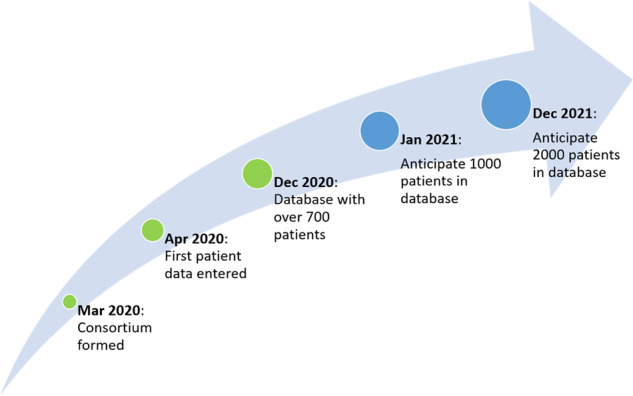
Results: The PROMISE consortium was formed by 16 academic institutions in early 2020 and a secure RedCap database was created. The first patient record was entered into the database in April 2020 and over 1000 records have been entered as of early 2021. Data entry is proceeding as planned with the goal to have over 2500 patient records by the end of 2021.
Conclusions: The PROMISE consortium provides a powerful clinical-genomic platform to interrogate and address data gaps that have arisen with increased genomic testing in the clinical management of prostate cancer. The dataset incorporates data from patient populations that are often underrepresented in clinical trials, generates new hypotheses to direct further research, and addresses important clinical questions that are otherwise difficult to investigate in prospective studies.
© 2021. The Author(s).
Conflict of interest statement
VSK received research funding to his institution from Janssen, Nektar, Endocyte, Clovis. He has received compensation as a member of the scientific advisory board of Janssen, Clovis, Pfizer, Seattle Genetics/Astellas, Dendreon, AstraZeneca, EMD Serono. All funding received is for work performed outside the scope of this study. MAB received research funding to his institution from Xencor, Bayer, Bristol-Myers Squibb, Genentech/Roche, Seattle Genetics, Incyte, Nektar, AstraZeneca, Tricon Pharmaceuticals, Genome & Company, AAA, Peloton Therapeutics, and Pfizer. He has received compensation as a member of the scientific advisory board or as paid consultant of Exelixis, Bayer, BMS, Eisai, Pfizer, AstraZeneca, Janssen, Calithera Biosciences, Genomic Health, Nektar, and Sanofi. All funding received is for work performed outside the scope of this study. CP has consulted for AstraZaneca and received compensation for work performed outside the scope of this study. AT received research funding to his institution from EMD Serono, Aravive Inc, and Wndmil therapeutics. He has received compensation as a member of the scientific advisory board of Exilixis, EMD Serono, Genzyme, Foundation, and Pfizer. All funding received is for work performed outside the scope of this study. PB received research funding to his institution from AstraZeneca, Merck, Blue Earth Diagnostics. He has received compensation as a member of the scientific advisory board of Bristol Myers Squibb, Exelexis, Janseen, Pfizer, Sanofi, Dendreon, Caris, Bayer, EMD Serono. All funding received is for work performed outside the scope of this study. CH received research funding to his institution from AstraZeneca, Bayer, Dendreon, Merck. She has stock ownership in Johnson & Johnson. All funding received is for work performed outside the scope of this study. WO is an employee of Sema4 as Chief Medical Science Officer. He has consulted for and received funding from Amgen, Astellas, Bayer, AstraZeneca, Genzyme, Janssen, and Pfizer. All funding received is for work performed outside the scope of this study. EH received research funding to her institution from Caris. She has consulted for and received compensation from Caris. All funding received is for work performed outside the scope of this study. CHM is an employee of McGraw Hill. She has consulted for and received compensation from Dendreon and Bayer. All funding received is for work performed outside the scope of this study. STT received research funding to his institution from Sanofi, Medivation, Astellas, Janssen, rogenics, Dendreon, Newlink, Inovio, Immunomedics, Atlab, Boehringer Ingelheim, Millennium, Bayer, Merck, Abbvie, Karyopharm, Endocyte, Clovis, and Novartis. He has received personal honoraria from Sanofi, Medivation/Astellas, Dendreon, Janssen, Genentech, Bayer, Endocyte, Eisai, Immunomedics, Karyopharm, Abbvie, Tolmar, Seattle Genetics, Amgen, Clovis, QED, Pfizer, AAA/Novartis, Genomic Health, POINT Biopharma, Blue Earth Diagnostics. All funding received is for work performed outside the scope of this study. MTS received research funding to his institution from Zenith Epigenetics, Bristol Myers Squibb, Merck, Immunomedics, Janssen, AstraZeneca, Pfizer, Madison Vaccines, Tmunity and Hoffman-La Roche. He has consulted for and received compensation from Janssen and Resverlogix. All funding received is for work performed outside the scope of this study. A Armstrong received research funding to his institution from Merck, Bayer, Pfizer, Astellas, Janssen, Genentech/Roche, Constellation, Beigene, BMS, AstraZeneca. He consulted for and received compensation from Merck, Bayer, Pfizer, Astellas, Janssen, AstraZeneca, and Clovis. All funding received is for work performed outside the scope of this study. A Alva received research funding to his institution from MSD, AstraZeneca, Bristol-Myers Squibb, Astellas, Seattle Genetics, Genentech, Pfizer, Progenics, Prometheus, Eli Lilly, ASCO, Celgene, and Harpoon Therapeutics. He has received compensation as a member of the advisory board and as paid consultant for MSD, Bristol-Myers Squibb, AstraZeneca, Genentech, Roche, Pfizer, Progenics, and Prometheus. All funding received is for work performed outside the scope of this study. RM received research funding to her institution from Bayer, Pfizer, and Tempus. She has received compensation as a member of the advisory board for AstraZeneca, Bayer, Bristol Myers Squibb, Calithera, Exelixis, Janssen, Merck, Novartis, Pfizer, Sanofi, and Tempus. She consulted for and received compensation for Dendreon and Vividion. She serves on the molecular tumor board at Caris. All funding received is for work performed outside the scope of this study. VGP, A Ali, DR, JJP, OK, MC, JS, AC, LB, ML, LSG, SN, AJ, SRC, RG, LA, AP, TJ, DN, CN, DK, MP, BT, FC, AM, SH, and TD have no competing interests to disclose.
Figures


References
Publication types
MeSH terms
Grants and funding
LinkOut - more resources
Full Text Sources
Medical
Miscellaneous
