


Exosomal microRNAs from mesenchymal stem/stromal cells: Biology and applications in neuroprotection
- PMID: 34367477
- PMCID: PMC8316862
- DOI: 10.4252/wjsc.v13.i7.776
Exosomal microRNAs from mesenchymal stem/stromal cells: Biology and applications in neuroprotection
Abstract
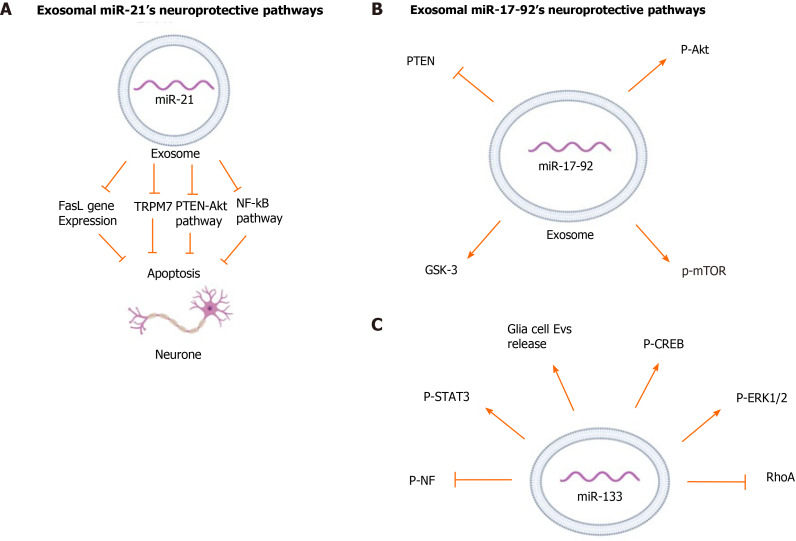
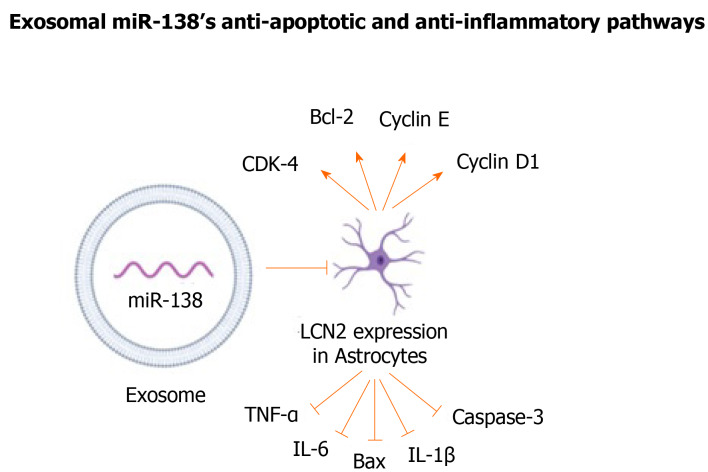
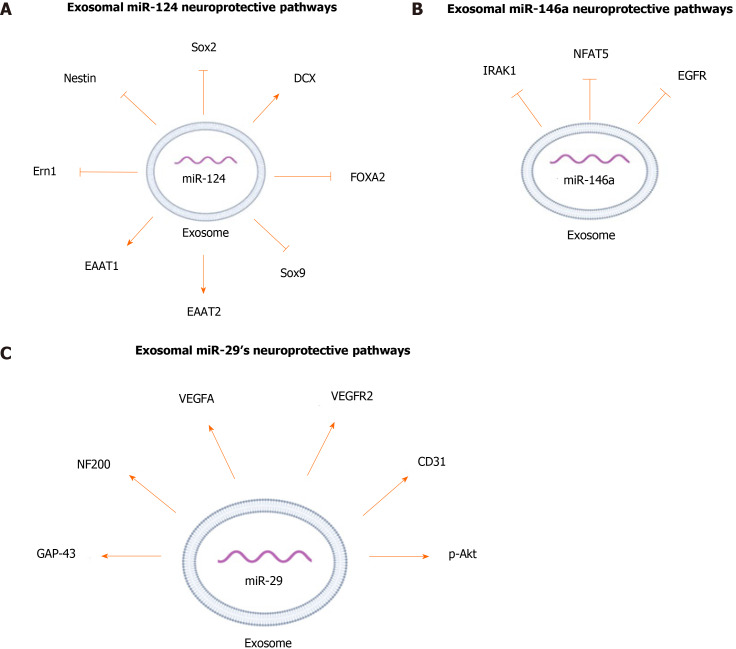
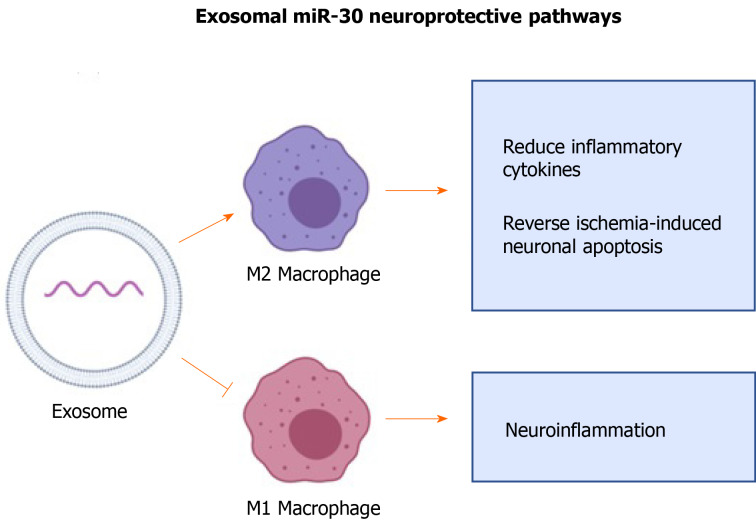
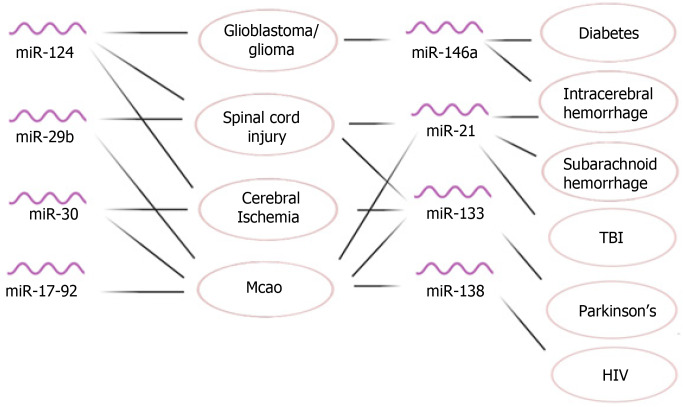
Mesenchymal stem/stromal cells (MSCs) are extensively studied as cell-therapy agents for neurological diseases. Recent studies consider exosomes secreted by MSCs as important mediators for MSCs' neuroprotective functions. Exosomes transfer functional molecules including proteins, lipids, metabolites, DNAs, and coding and non-coding RNAs from MSCs to their target cells. Emerging evidence shows that exosomal microRNAs (miRNAs) play a key role in the neuroprotective properties of these exosomes by targeting several genes and regulating various biological processes. Multiple exosomal miRNAs have been identified to have neuroprotective effects by promoting neurogenesis, neurite remodeling and survival, and neuroplasticity. Thus, exosomal miRNAs have significant therapeutic potential for neurological disorders such as stroke, traumatic brain injury, and neuroinflammatory or neurodegenerative diseases and disorders. This review discusses the neuroprotective effects of selected miRNAs (miR-21, miR-17-92, miR-133, miR-138, miR-124, miR-30, miR146a, and miR-29b) and explores their mechanisms of action and applications for the treatment of various neurological disease and disorders. It also provides an overview of state-of-the-art bioengineering approaches for isolating exosomes, optimizing their yield and manipulating the miRNA content of their cargo to improve their therapeutic potential.
Keywords: Exosomal microRNAs; Mesenchymal stromal cell-derived exosomes; Mesenchymal stromal cells; Neuroprotective effect.
©The Author(s) 2021. Published by Baishideng Publishing Group Inc. All rights reserved.
Conflict of interest statement
Conflict-of-interest statement: The authors declare no conflict of interest.
Figures
References
-
- Chen TS, Lim SK. Measurement of precursor miRNA in exosomes from human ESC-derived mesenchymal stem cells. Methods Mol Biol . 2013;1024:69–86. - PubMed
-
- Caplan AI, Dennis JE. Mesenchymal stem cells as trophic mediators. J Cell Biochem . 2006;98:1076–1084. - PubMed
-
- Phinney DG, Di Giuseppe M, Njah J, Sala E, Shiva S, St Croix CM, Stolz DB, Watkins SC, Di YP, Leikauf GD, Kolls J, Riches DW, Deiuliis G, Kaminski N, Boregowda SV, McKenna DH, Ortiz LA. Mesenchymal stem cells use extracellular vesicles to outsource mitophagy and shuttle microRNAs. Nat Commun . 2015;6:8472. - PMC - PubMed
