


Vitamin D Intoxication and Nephrocalcinosis in a Young Breastfed Infant
- PMID: 34373793
- PMCID: PMC8349280
- DOI: 10.1155/2021/3286274
Vitamin D Intoxication and Nephrocalcinosis in a Young Breastfed Infant
Abstract
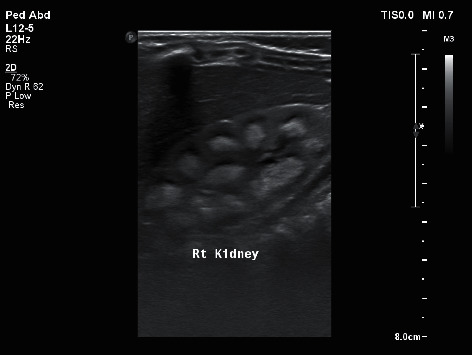
Numerous studies were performed assessing the benefits and side effects of vitamin D. Vitamin D helps in regulating the calcium and phosphate metabolism leading to a healthy mineral and bone development. Vitamin D intoxication is an uncommon event that leads to hypercalcemia which can be associated with both immediate and late morbidities that can cause severe renal complications. Here, we present a case of a 4-month-old girl with a history of decreased feed and activity due hypercalcemia and high vitamin D level, which led to nephrocalcinosis. The patient received IV fluids, IV diuretics, methylprednisolone, and bisphosphonate in order to normalize the calcium level in blood. With clear verbal and written instructions for the dosage and administration of vitamin D supplements, as well as clear warnings of the potential risks of overdose, vitamin D intoxication could be an easily avoidable condition.
Copyright © 2021 Abdullah Al-Kandari et al.
Conflict of interest statement
The authors declare that they have no conflicts of interest.
Figures
References
Publication types
LinkOut - more resources
Full Text Sources
Medical
