


Exposure to Environmental Toxins and Autoimmune Conditions
- PMID: 34377090
- PMCID: PMC8325494
Exposure to Environmental Toxins and Autoimmune Conditions
Abstract
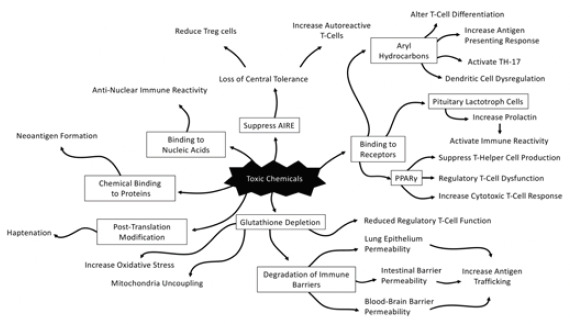
The incidence of autoimmunity is growing rapidly worldwide. Many epidemiological studies have found environmental factors, such as toxic chemicals (persistent organic pollutants, toxic metals, solvents, endocrine disruptors), to be a key factor in this rapid progression. Numerous mechanisms have been identified that can cause immune dysregulation and autoimmune reactivity from toxic chemical exposure to subsets of individuals who have genetic susceptibility in immune regulatory genes. In susceptible genotypes, toxic chemicals can induce epigenetic expressions, bind to immune and endocrine receptors throughout the body and promote immune dysregulation, bind to nucleic acids and promote anti-nuclear autoimmunity, deplete antioxidant reserves, promote immune barrier degradation, induce lymphocyte dysregulation, and alter normal antigen-presenting responses. This paper provides a detailed review of the specific immunological pathways involved with exposure to environmental toxins and autoimmunity.
Copyright © 2021 InnoVision Professional Media Inc.
Figures
References
-
- Lerner A, Jeremias J, Matthias T. The world incidence and prevalence of autoimmune diseases is increasing. Int J Celiac Dis. 2015;3(4):151-155.
-
- Crinnion WJ. Environmental medicine, part one: the human burden of environmental toxins and their common health effects. Altern Med Rev. 2000;5(1):52-63. PMID:10696119 - PubMed
-
- Floreani A, Leung PS, Gershwin ME. Environmental basis of autoimmunity. Clin Rev Allergy Immunol. 2016;50(3):287-300. PMID:25998909 - PubMed
LinkOut - more resources
Full Text Sources