Review
. 2021 Jun 29:11:100121.
doi: 10.1016/j.mtbio.2021.100121. eCollection 2021 Jun.

Mesoporous bioactive glasses for regenerative medicine

Affiliations
Review

Mesoporous bioactive glasses for regenerative medicine

M Vallet-Regi et al. Mater Today Bio. .

Abstract

Stem cells are the central element of regenerative medicine (RM). However, in many clinical applications, the use of scaffolds fabricated with biomaterials is required. In this sense, mesoporous bioactive glasses (MBGs) are going to play an important role in bone regeneration because of their striking textural properties, quick bioactive response, and biocompatibility. As other bioactive glasses, MBGs are mainly formed by silicon, calcium, and phosphorus oxides whose ions play an important role in cell proliferation as well as in homeostasis and bone remodeling process. A common improvement of bioactive glasses for RM is by adding small amounts of oxides of elements that confer them additional biological capacities, including osteogenic, angiogenic, antibacterial, anti-inflammatory, hemostatic, or anticancer properties. Moreover, MBGs are versatile in terms of the different ways in which they can be processed, such as scaffolds, fibers, coatings, or nanoparticles. MBGs are unique because their textural properties are so high that they still exhibit outstanding bioactive responses even after adding extra inorganic ions or being processed as scaffolds or nanoparticles. Moreover, they can be further improved by loading with biomolecules, drugs, and stem cells. This article reviews the state of the art and future perspectives of MBGs in the field of RM of hard tissues.

Keywords: Bioactive ceramics; Bone regeneration; Drugs release; Stem cells; Therapeutic inorganic ions; Tissue engineering.


Conflict of interest statement

The authors declare that they have no known competing financial interests or personal relationships that could have appeared to influence the work reported in this paper.

Figures
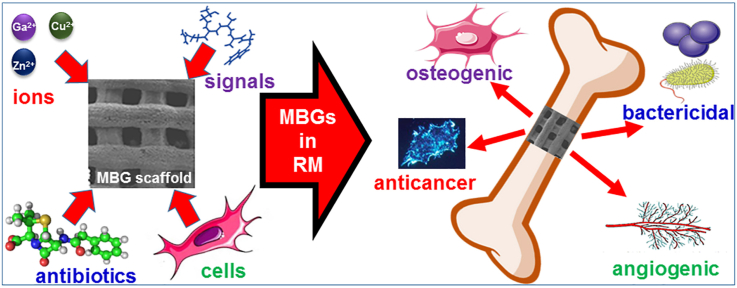
Image 1
Graphical abstract
Fig. 1
Fig. 1
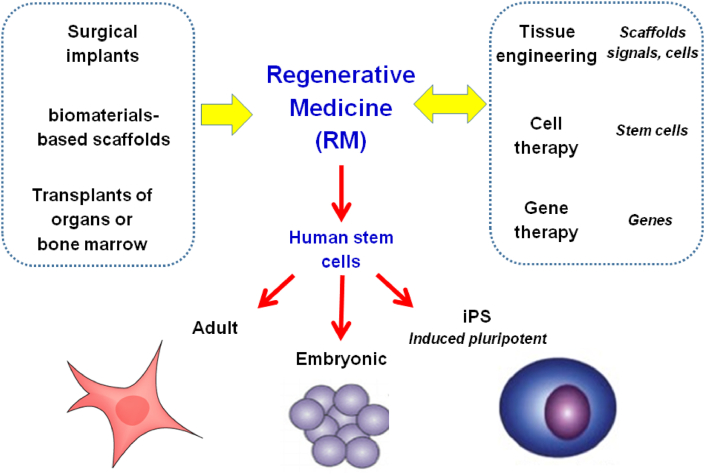
Foundations of Regenerative Medicine and its relationships with other advanced therapies.
Fig. 2
Fig. 2
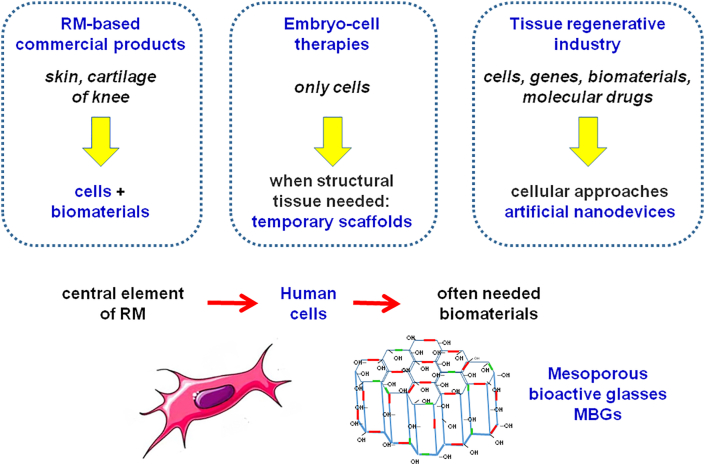
Many applications of RM require the use of biomaterials behaving as scaffolds of the stem cells as are the MBGs for hard tissues regeneration.
Fig. 3
Fig. 3
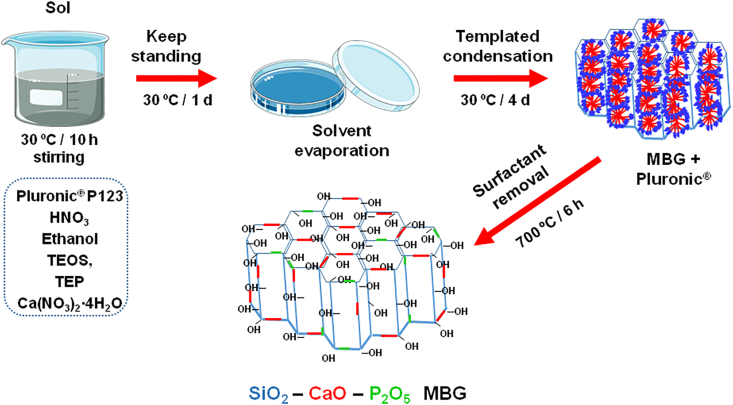
Schematic representation of the Evaporation-Induced Self Assembly method of synthesis used to obtain MBGs.
Fig. 4
Fig. 4
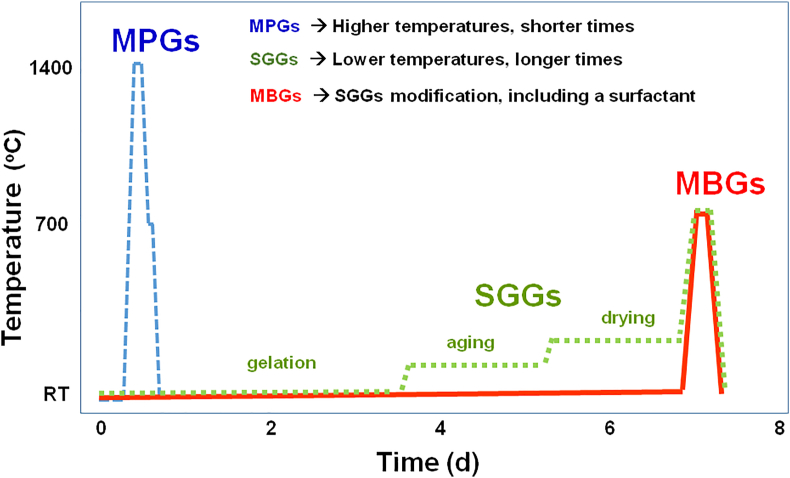
Schematic representation of the time vs. temperature conditions used to obtain the three families of BGs.
Fig. 5
Fig. 5
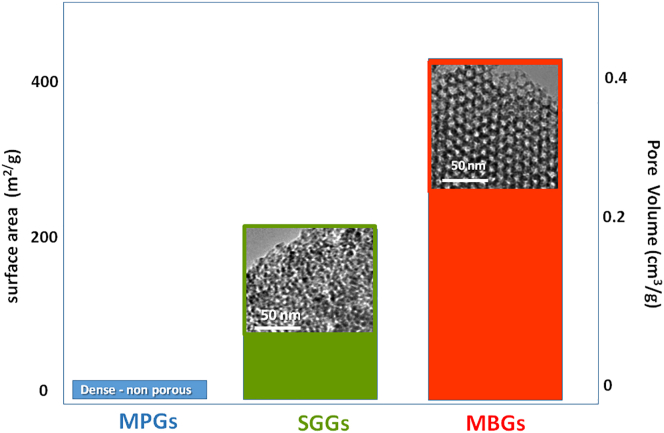
Comparison of the textural properties (surface area, pore volume) typically exhibited by the three families of BGs. High-resolution transmission electron microscopy (HR-TEM) images of the two porous glasses, SGGs and MBGs, are included.
Fig. 6
Fig. 6
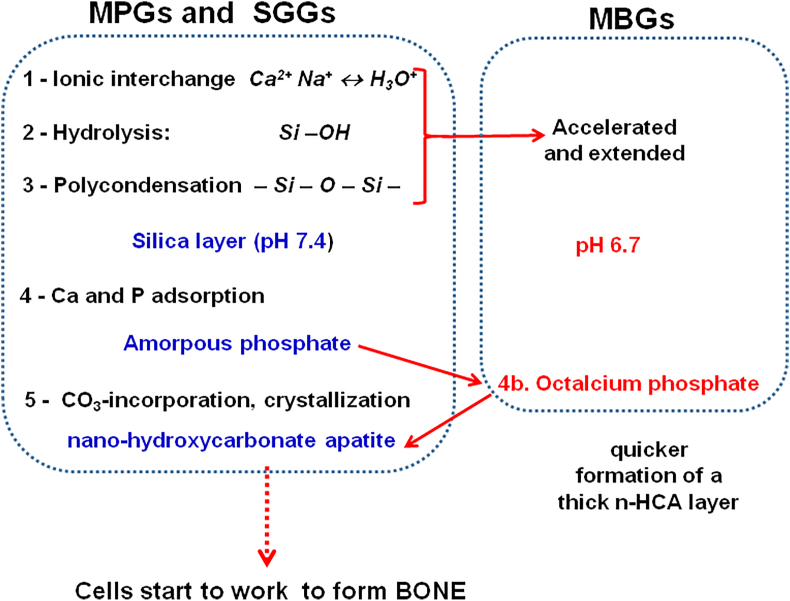
The first five stages of the Hench mechanism for the in vitro HCA formation on MPGs and SGGs. Variations in this mechanism for the highly bioactive MBGs are displayed at the right.
Fig. 7
Fig. 7
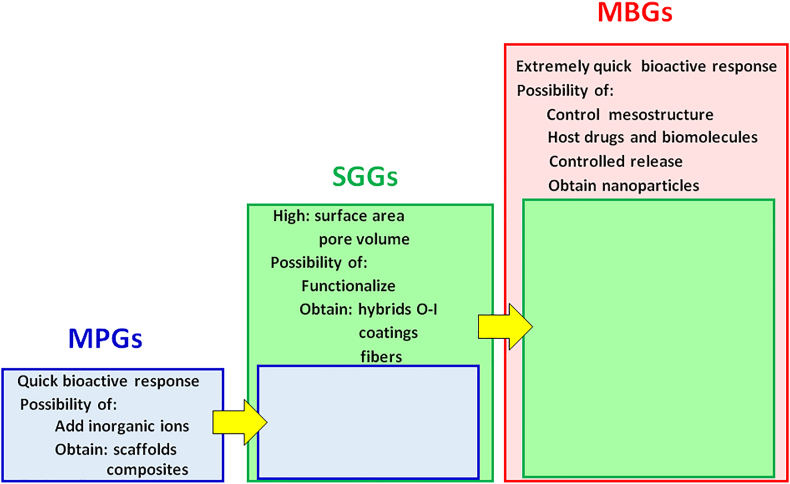
Expansion of the biological capabilities of bioactive glasses when going from MPGs to SGGs and MBGs.
Fig. 8
Fig. 8
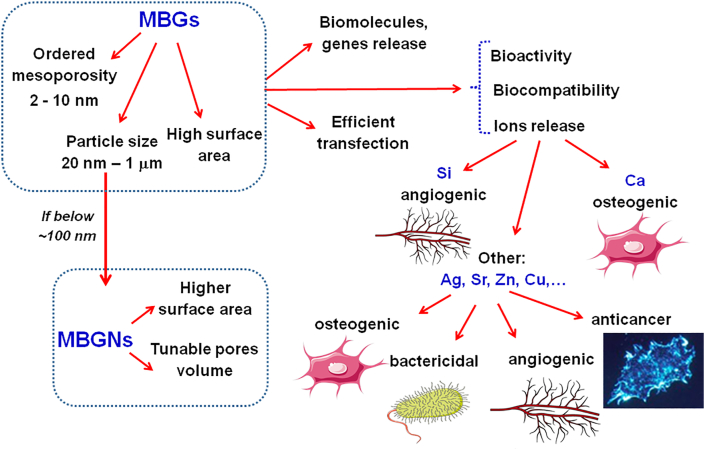
Properties and capabilities exhibited by MBGs in RM of bone tissues.
Fig. 9
Fig. 9
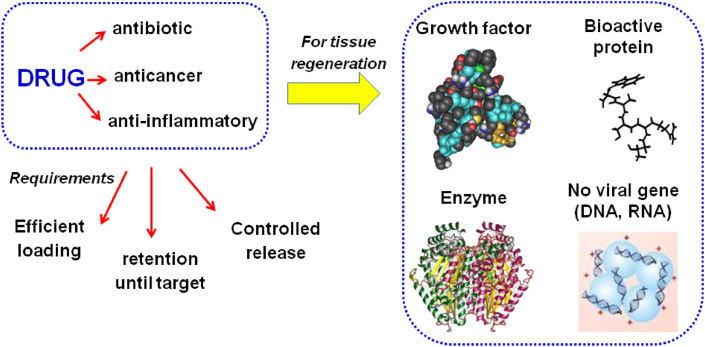
The number of substances typically considered as drugs and their requirements is expanded when used for living tissues regeneration.
Fig. 10
Fig. 10
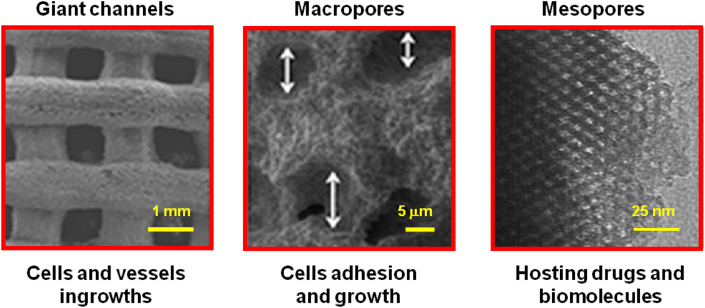
Three types of pores in MBG scaffolds: giant channels, around 1 mm; macropores, close to 5 μm; and mesopores, around 5 nm. Their biological roles in bone RM are also included.
Fig. 11
Fig. 11
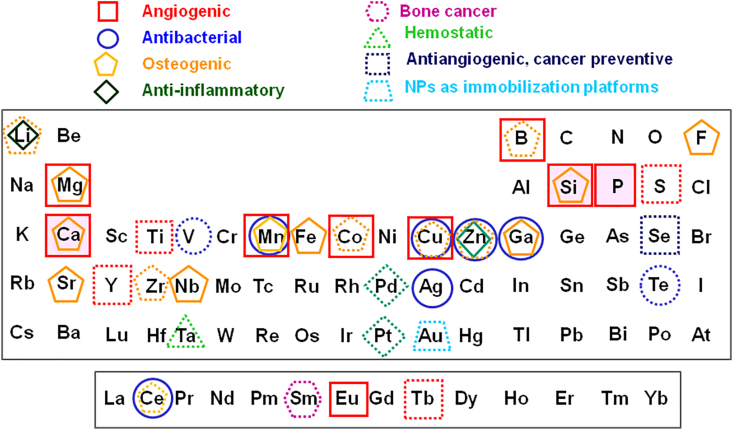
Elements included so far in the MBGs and their biological activity. Solid lines indicate well-established properties, whereas the dashed lines correspond to biological effects proposed.
Fig. 12
Fig. 12
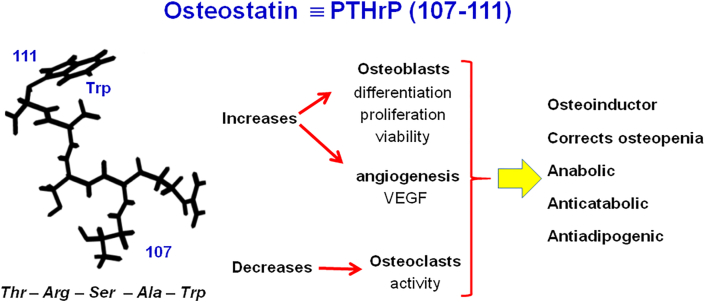
Osteostatin, a pentapeptide, fragment of parathormone related peptide (PTHrP), with excellent features to be used as an osteoinductor signal in RM of bone.
Fig. 13
Fig. 13
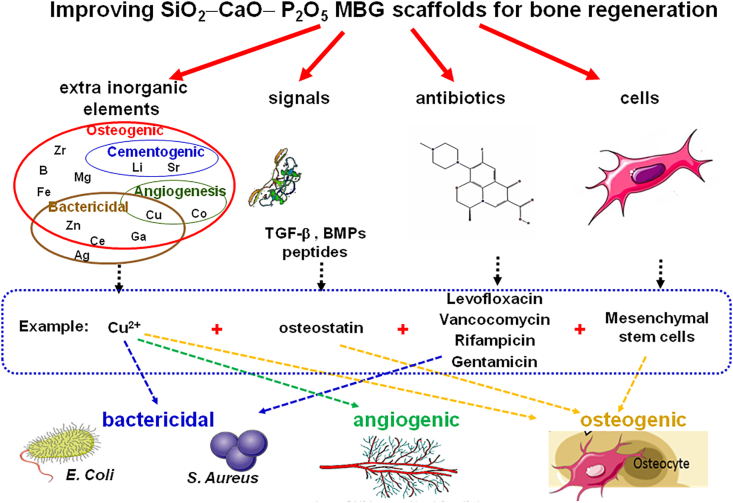
Strategies used to improve MBG scaffolds adding bactericidal, angiogenic, and osteogenic capabilities.

References

    1. Mao A.S., Mooney D.J. Regenerative medicine: current therapies and future directions. Proc. Natl. Acad. Sci. U. S. A. 2015;112:14452–14459. doi: 10.1073/pnas.1508520112. - DOI - PMC - PubMed
    1. Chang Chien G.C., Stogicza A. Regenerative medicine. In: Pangarkar S., Pham Q.G., Eapen B.C., editors. Pain Care Essentials and Innovations. 2021. pp. 245–253. - DOI
    1. Mason C., Dunnill P. A brief definition of regenerative medicine. Regen. Med. 2008;3:1–5. doi: 10.2217/17460751.3.1.1. - DOI - PubMed
    1. Rajabzadeh N., Fathi E., Farahzadi R. Stem cell-based regenerative medicine. Stem Cell Invest. 2019;6:19. doi: 10.21037/sci.2019.06.04. eCollection 2019. - DOI - PMC - PubMed
    1. Stoltz J.-F., de Isla N., Li Y.P., Bensoussan D., Zhang L., Huselstein C., Chen Y., Decot V., Magdalou J., Li N., Reppel L., He Y. Stem Cell. Int. 2015;2:734731. doi: 10.1155/2015/734731. - DOI - PMC - PubMed