


Effects of Transcranial Direct Current Stimulation on effort during a working-memory task
- PMID: 34385478
- PMCID: PMC8361175
- DOI: 10.1038/s41598-021-95639-7
Effects of Transcranial Direct Current Stimulation on effort during a working-memory task
Abstract
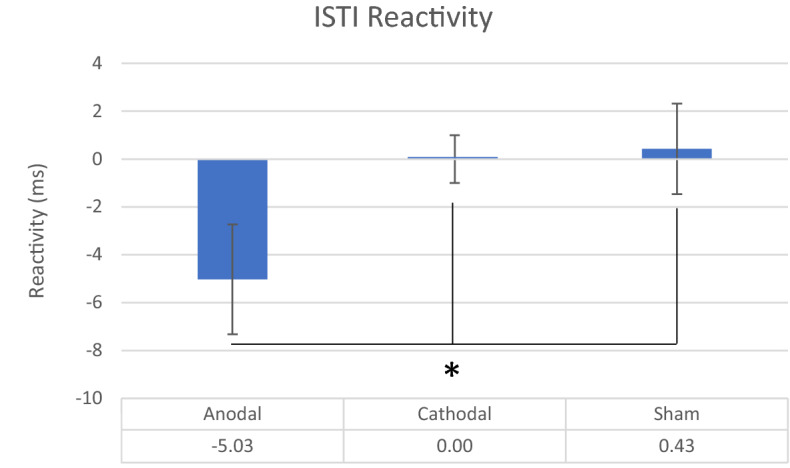
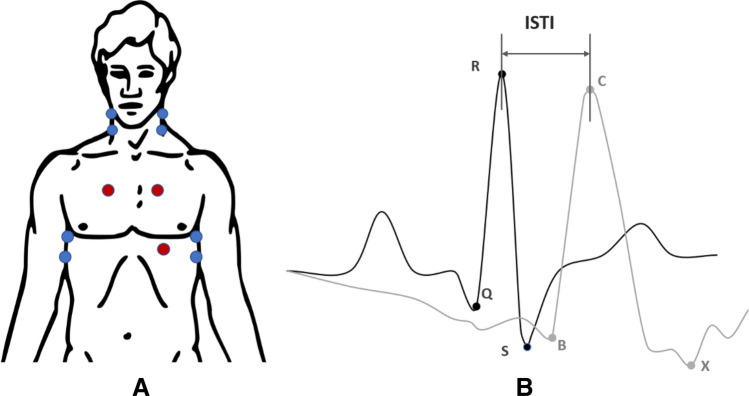
Transcranial Direct Current Stimulation (tDCS) has shown that stimulation of Dorsolateral Prefrontal Cortex (DLPFC) facilitates task performance in working-memory tasks. However, little is known about its potential effects on effort. This study examined whether tDCS affects effort during a working-memory task. Participants received anodal, cathodal and sham stimulation over DLPFC across three sessions before carrying out a 2-back task. During the task, effort-related cardiovascular measures were recorded-especially the Initial Systolic Time Interval (ISTI). Results showed that anodal stimulation produced a shorter ISTI, indicating a greater effort compared to cathodal and sham conditions, where effort was lower. These findings demonstrate that anodal stimulation helps participants to maintain engagement in a highly demanding task (by increasing task mastery), without which they would otherwise disengage. This study is the first to show that tDCS impacts the extent of effort engaged by individuals during a difficult task.
© 2021. The Author(s).
Conflict of interest statement
The authors declare no competing interests.
Figures
References
-
- Gendolla GHE, Krüsken J. Mood state, task demand, and effort-related cardiovascular response. Cogn. Emot. 2002;16:577–603. doi: 10.1080/02699930143000446. - DOI
Publication types
MeSH terms
LinkOut - more resources
Full Text Sources
