


Medical mortality in an emergency department in Nigeria: the transition is obvious!
- PMID: 34394295
- PMCID: PMC8356607
- DOI: 10.4314/ahs.v21i1.23
Medical mortality in an emergency department in Nigeria: the transition is obvious!
Abstract
Introduction: The emergency department (ED), a major entry point into the hospital, provides an insight to the type of cases seen, the quality of care and mortality spectrum in a health institution. We aim to identify the spectrum of medical causes of mortality in our ED, the demographic pattern and duration of stay before death.
Method: This is a retrospective study that looked at medical mortality in the ED from January 2004 to December 2009. We obtained data on the demographics and causes of death from the medical records and case notes of the deceased.
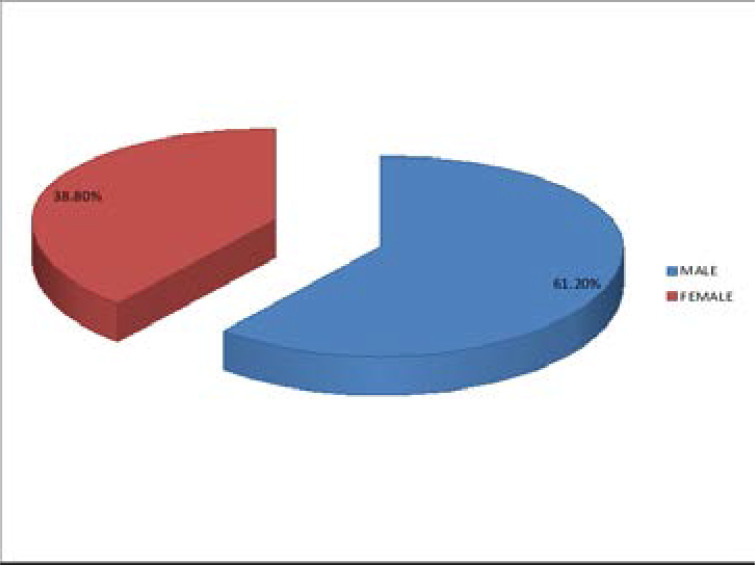
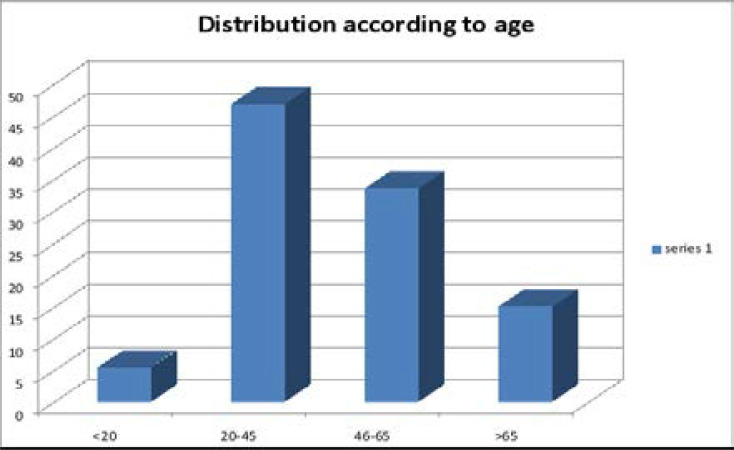
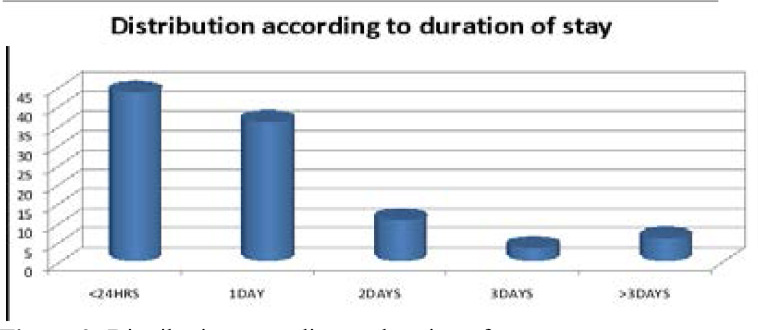
Results: A total of 16587 patients were admitted during the period under review, of these 1262 (7.61%) died in the ED. The male to female ratio was 1.58:1.0 [772 males (61.2%), and 489 females (38.8%)]. Mortality was highest among the 20-45 years age range, followed by 46-65 years, >65 years and < 20 years in decreasing frequency [589(46.7%), 421(33.4%), 186 (14.8%) and 66(5.2%) respectively]. The three most common causes of death were stroke 315(25%), HIV related illnesses 126(10.0%), and heart failure 123(9.7%). Most deaths occurred less than 24hours of admission, 550(43.6%), followed by one day (36.0%) and two days (10.8%) post admissions respectively.
Conclusion: The commonest cause of death in the ED was stroke. The burden of death was highest in the younger age group, with most occurring less than 24 hours of admission.
Keywords: Emergency department; duration; mortality.
© 2021 Olusegun-Joseph AD et al.
Figures
References
-
- Ekere AU, Yellowe BE, Umune S. Mortality patterns in the accident and emergency department of an urban hospital in Nigeria. Niger J. Clin. Pract. 2005 Jun;8(1):14–18. - PubMed
-
- WHO, author. Global health risks: mortality and burden of disease attributable to selected major risks. 2009. https://www.who.int/healthinfo/global_burden_disease/GlobalHealthRisks_r....
-
- Okunola OO, Akintunde AA, Akinwusi PO. Some emerging issues in medical admission pattern in the tropics. Niger J Clin Pract. 2012;15:51–54. - PubMed
-
- Adesunkanmi AR, Akinkuolie AA, Badru OS. A five year analysis of death in accident and emergency room of a semi-urban hospital. West Afr J Med. 2002;21(2):99–104. - PubMed
MeSH terms
LinkOut - more resources
Full Text Sources