


BiasNet: A Model to Predict Ligand Bias Toward GPCR Signaling
- PMID: 34397210
- PMCID: PMC8482801
- DOI: 10.1021/acs.jcim.1c00317
BiasNet: A Model to Predict Ligand Bias Toward GPCR Signaling
Abstract
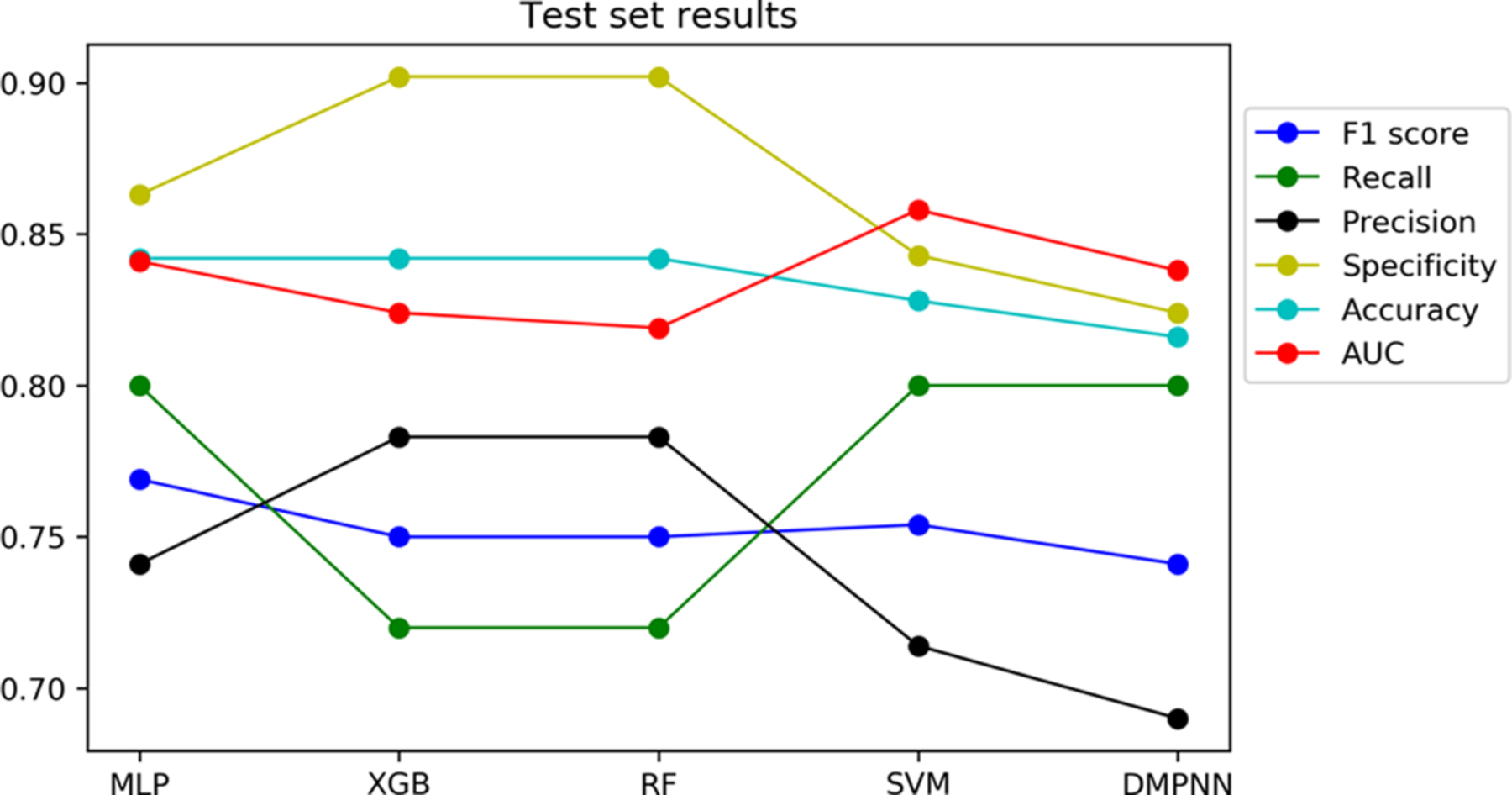
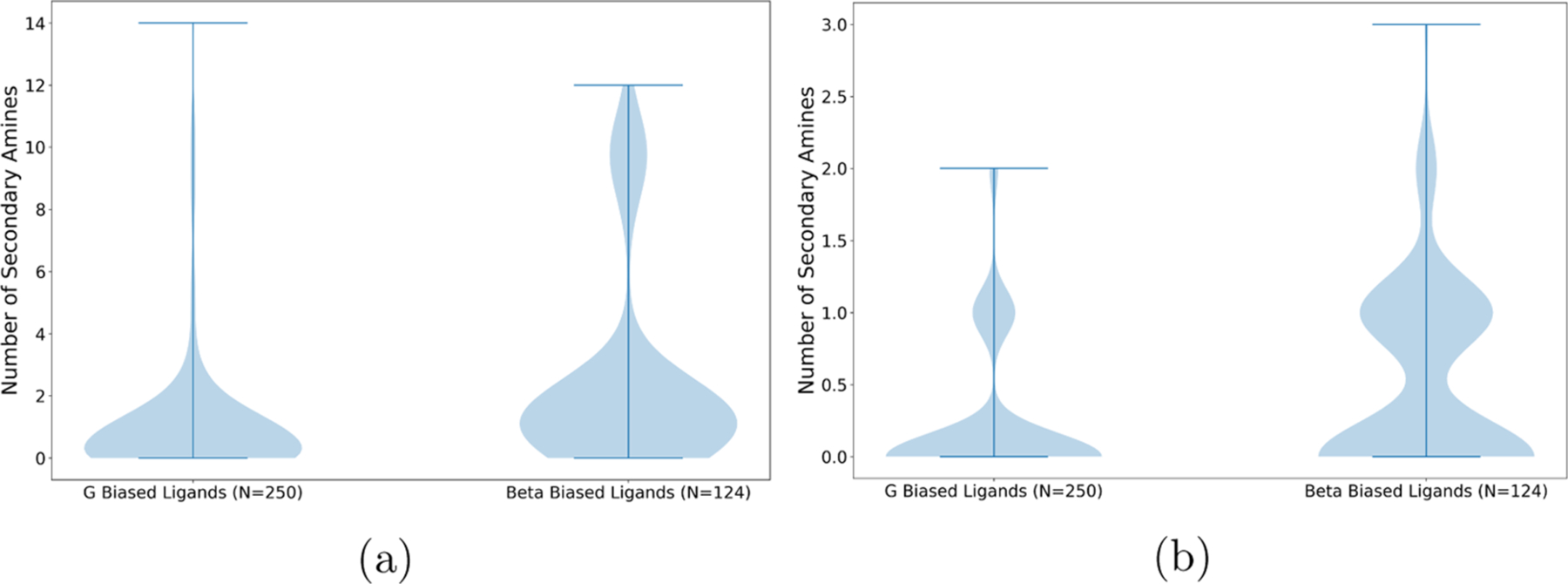
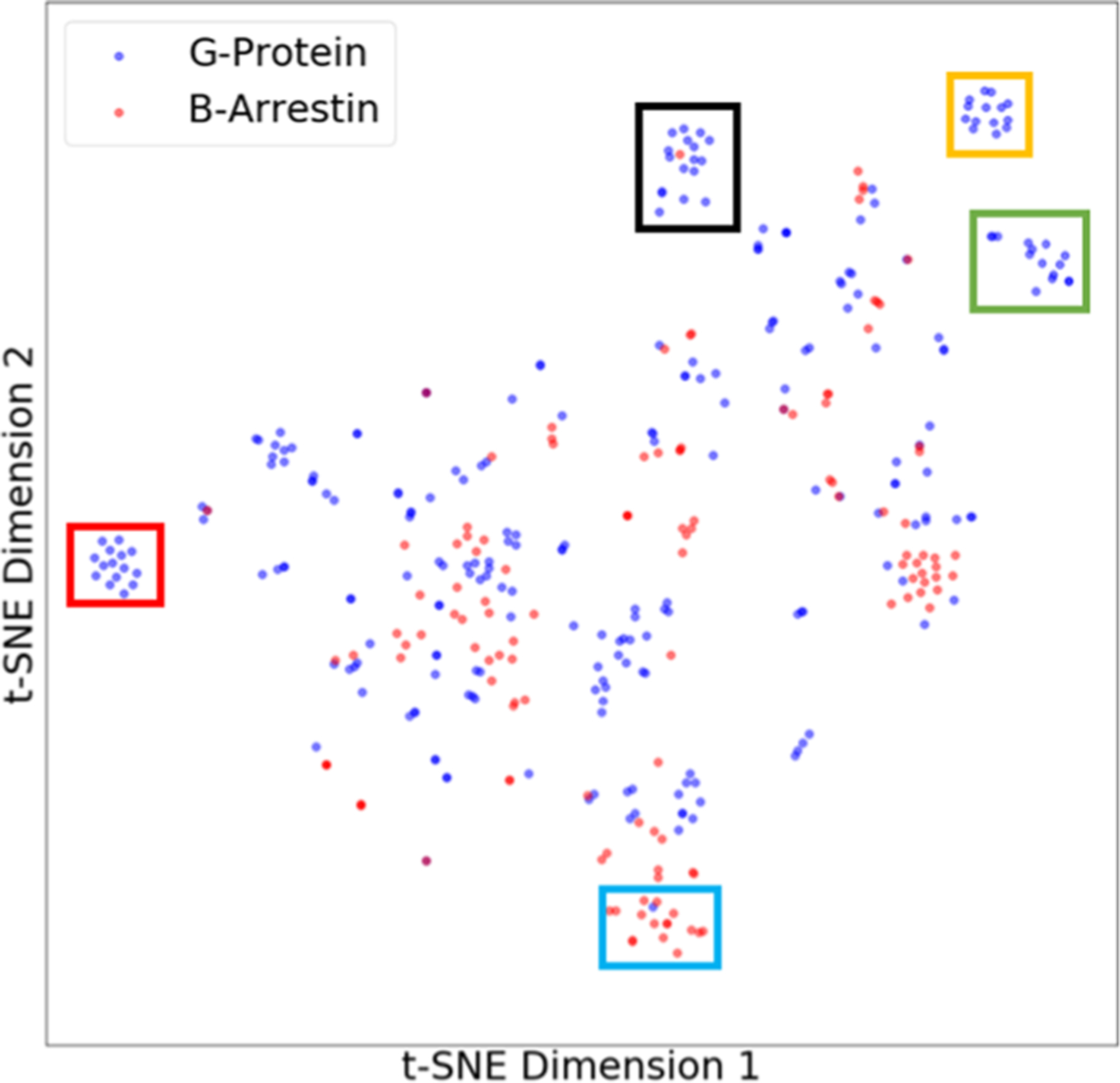
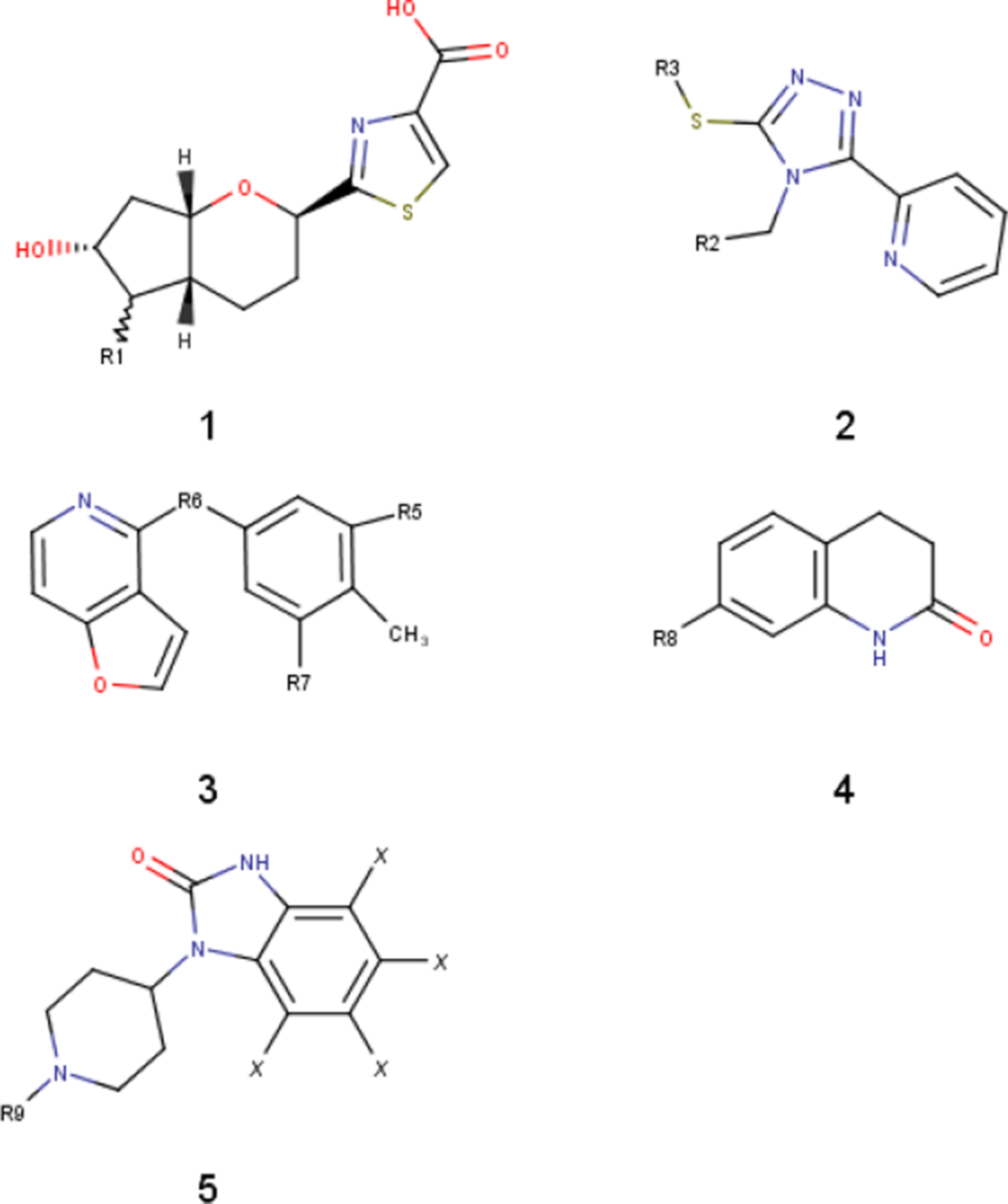
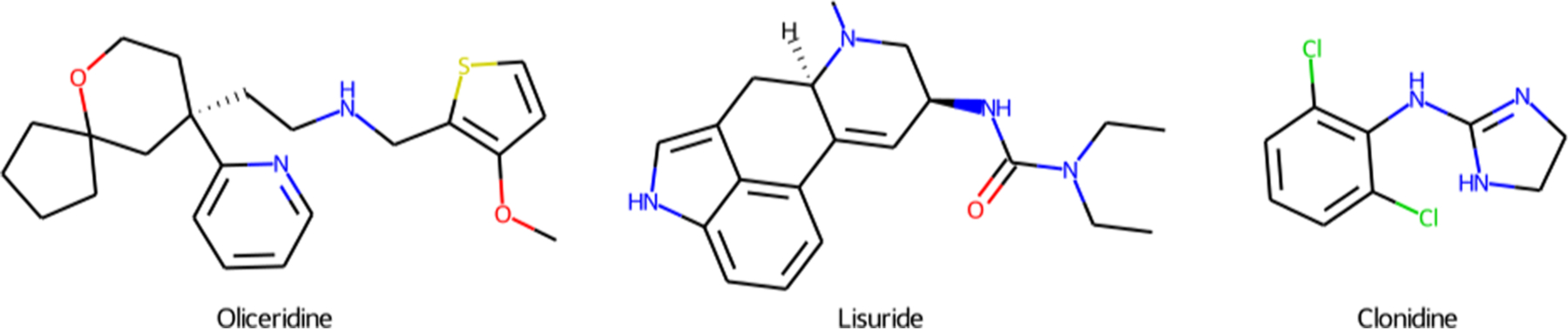
Signaling bias is a feature of many G protein-coupled receptor (GPCR) targeting drugs with potential clinical implications. Whether it is therapeutically advantageous for a drug to be G protein biased or β-arrestin biased depends on the context of the signaling pathway. Here, we explored GPCR ligands that exhibit biased signaling to gain insights into scaffolds and pharmacophores that lead to bias. More specifically, we considered BiasDB, a database containing information about GPCR biased ligands, and focused our analysis on ligands which show either a G protein or β-arrestin bias. Five different machine learning models were trained on these ligands using 15 different sets of features. Molecular fragments which were important for training the models were analyzed. Two of these fragments (number of secondary amines and number of aromatic amines) were more prevalent in β-arrestin biased ligands. After training a random forest model on HierS scaffolds, we found five scaffolds, which demonstrated G protein or β-arrestin bias. We also conducted t-SNE clustering, observing correspondence between unsupervised and supervised machine learning methods. To increase the applicability of our work, we developed a web implementation of our models, which can predict bias based on user-provided SMILES, drug names, or PubChem CID. Our web implementation is available at: drugdiscovery.utep.edu/biasnet.
Conflict of interest statement
The authors declare no competing financial interest.
Figures

References
-
- Tan L; Yan W; McCorvy JD; Cheng J Biased Ligands of G Protein-Coupled Receptors (GPCRs): Structure-Functional Selectivity Relationships (SFSRs) and Therapeutic Potential. J. Med. Chem 2018, 61, 9841–9878. - PubMed
-
- Kenakin T Agonist-receptor efficacy II: agonist trafficking of receptor signals. Trends Pharmacol. Sci 1995, 16, 232–238. - PubMed
Publication types
MeSH terms
Substances
Grants and funding
LinkOut - more resources
Full Text Sources
