


Bacteria - derived short chain fatty acids restore sympathoadrenal responsiveness to hypoglycemia after antibiotic-induced gut microbiota depletion
- PMID: 34401412
- PMCID: PMC8358200
- DOI: 10.1016/j.ynstr.2021.100376
Bacteria - derived short chain fatty acids restore sympathoadrenal responsiveness to hypoglycemia after antibiotic-induced gut microbiota depletion
Abstract
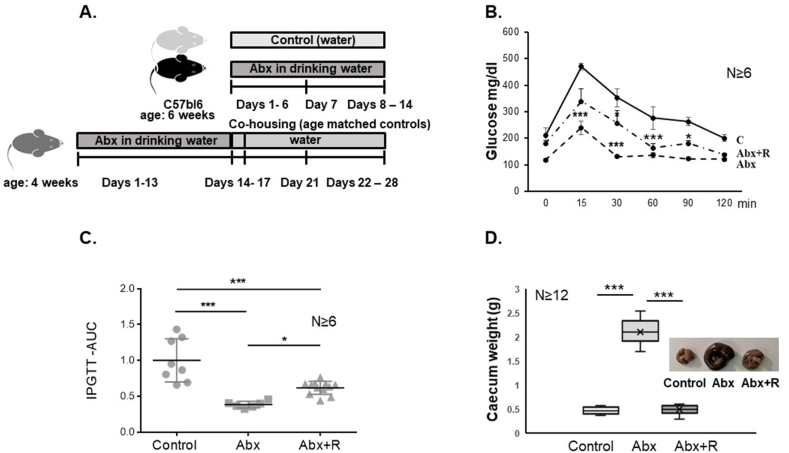
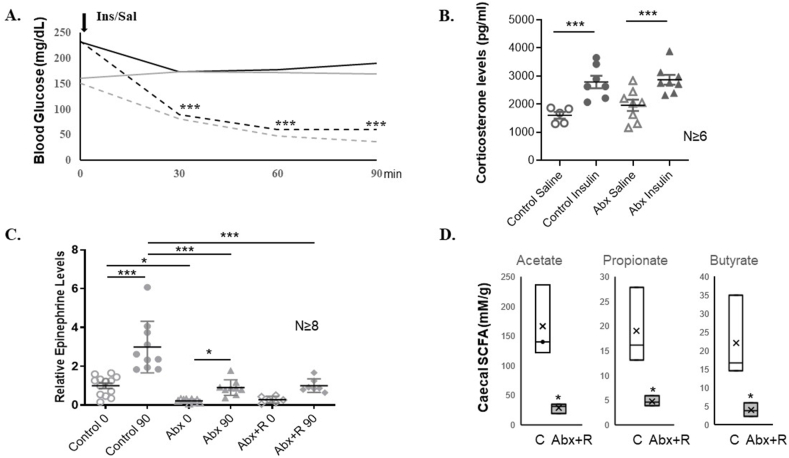
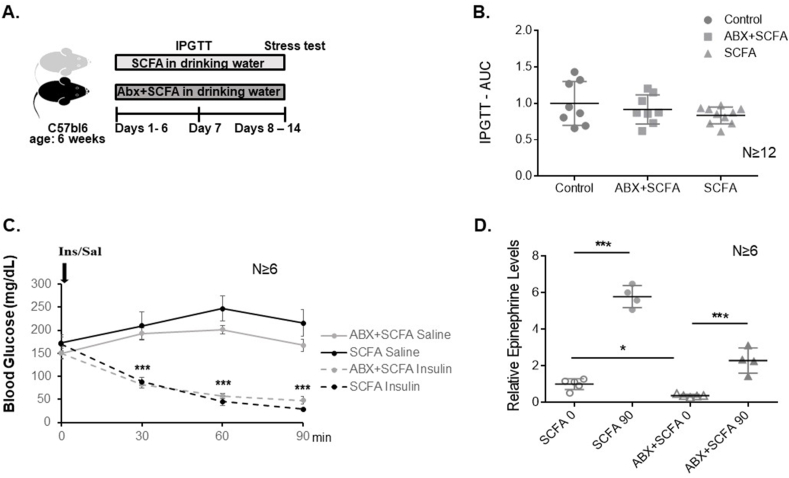
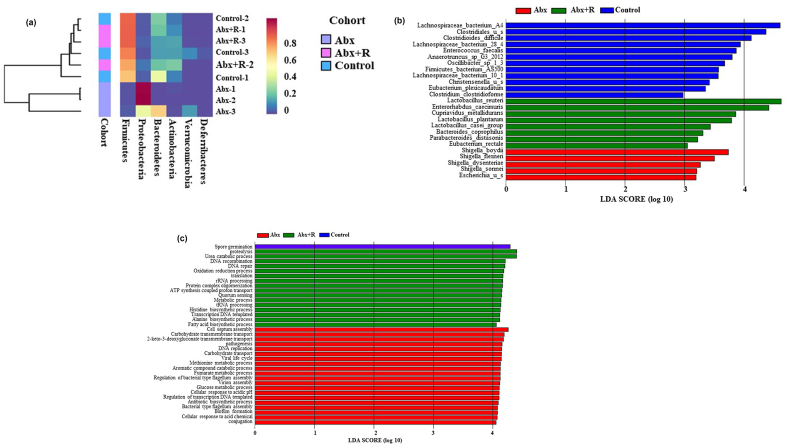
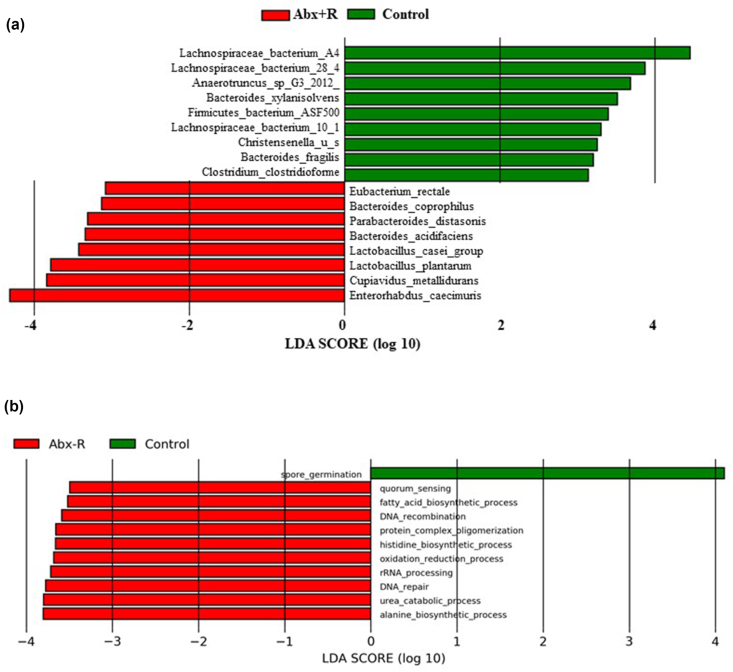
The microbiome co-evolved with their mammalian host over thousands of years. This commensal relationship serves a pivotal role in various metabolic, physiological, and immunological processes. Recently we discovered impaired adrenal catecholamine stress responses in germ-free mice suggesting developmental modification of the reflex arc or absence of an ongoing microbiome signal. To determine whether maturational arrest or an absent bacteria-derived metabolite was the cause, we tested whether depleting gut microbiome in young adult animals could also alter the peripheral stress responses to insulin-induced hypoglycemia. Groups of C57Bl6 male mice were given regular water (control) or a cocktail of non-absorbable broad-spectrum antibiotics (Abx) in the drinking water for two weeks before injection with insulin or saline. Abx mice displayed a profound decrease in microbial diversity and abundance of Bacteroidetes and Firmicutes, plus a markedly enlarged caecum and no detectable by-products of bacterial fermentation (sp. short chain fatty acids, SCFA). Tonic and stress-induced epinephrine levels were attenuated. Recolonization (Abx + R) restored bacterial diversity, but not the sympathoadrenal system responsiveness or caecal acetate, propionate and butyrate levels. In contrast, corticosterone (HPA) and glucagon (parasympathetic) resting values and responses to hypoglycemia remained similar across all conditions. Oral supplementation with SCFA improved epinephrine responses to hypoglycaemia. Whole genome shotgun sequence profiling of fecal samples from control, Abx and Abx + R cohorts identified nine microbes (SCFA producers) absent from both Abx and Abx + R groups. These results implicate gut microbiome depletion plus its attendant reduction in SCFA signalling in adversely affecting the release of epinephrine in response to hypoglycemia. We speculate that regardless of postnatal age, a mutable microbiome messaging system exists throughout life. Unravelling these mechanisms could lead to new therapeutic possibilities through controlled manipulation of the gut microbiota and its ability to alter systemic neurotransmitter responsiveness.
Keywords: Acute hypoglycemia; Epinephrine; Fecal whole genome sequencing; Microbiome; Oral antibiotics; Short chain fatty acids supplement.
© 2021 The Authors.
Conflict of interest statement
The authors have declared that no conflict of interest exists.
Figures
References
-
- Andrikopoulos S., Blair A.R., Deluca N., Fam B.C., Proietto J. Evaluating the glucose tolerance test in mice. Am. J. Physiol. Endocrinol. Metab. 2008;295:E1323–E1332. - PubMed
-
- Aranyi T., Sarkis C., Berrard S., Sardin K., Siron V., Khalfallah O., Mallet J. Sodium butyrate modifies the stabilizing complexes of tyrosine hydroxylase mRNA. Biochem. Biophys. Res. Commun. 2007;359:15–19. - PubMed
-
- Bercik P., Denou E., Collins J., Jackson W., Lu J., Jury J., Deng Y., Blennerhassett P., Macri J., McCoy K.D. The intestinal microbiota affect central levels of brain-derived neurotropic factor and behavior in mice. Gastroenterology. 2011;141:599–609. 609 e591-593. - PubMed
-
- Blacher E., Levy M., Tatirovsky E., Elinav E. Microbiome-modulated metabolites at the interface of host immunity. J. Immunol. 2017;198:572–580. - PubMed
LinkOut - more resources
Full Text Sources
