


Zimmer Natural Nail and ELOS nails in pertrochanteric fractures
- PMID: 34407829
- PMCID: PMC8371819
- DOI: 10.1186/s13018-021-02634-9
Zimmer Natural Nail and ELOS nails in pertrochanteric fractures
Abstract
Background: Pertrochanteric fractures of the femur in the elderly are very common. As the average age of the population increases, the incidence of such fractures also raises, resulting in high healthcare costs. The type of surgical devices employed for their surgical management influences these costs.
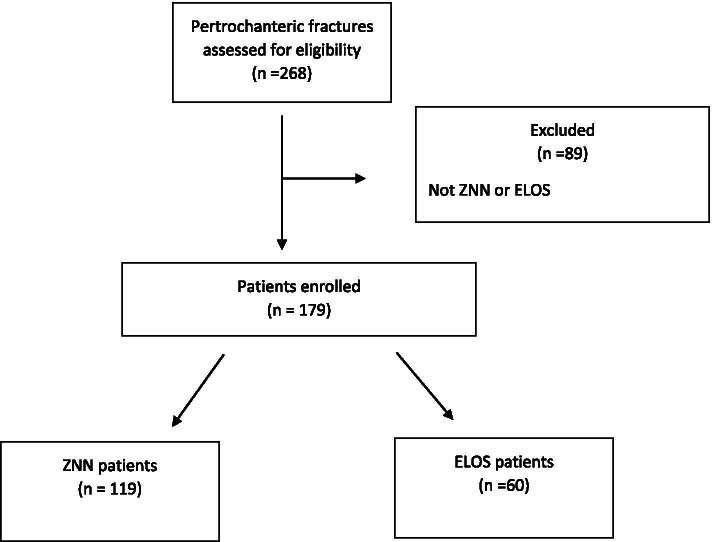
Methods: A comparative clinical study was conducted on patients operated by one single surgeon between December 2018 and November 2020 in a high-volume regional referral centre. All patients who received a Zimmer Natural Nail (ZNN) or ELOS devices were included.
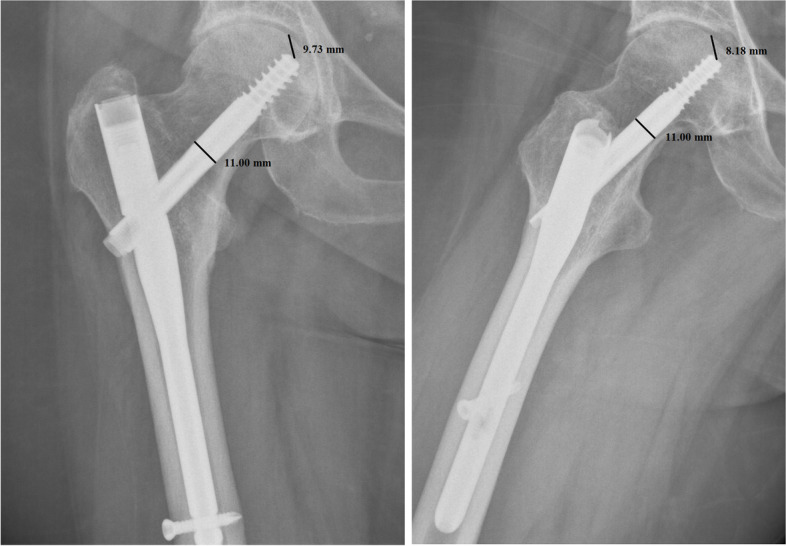
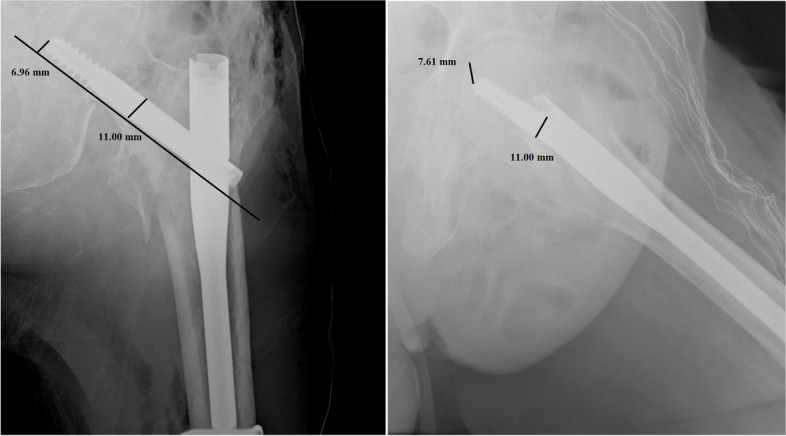
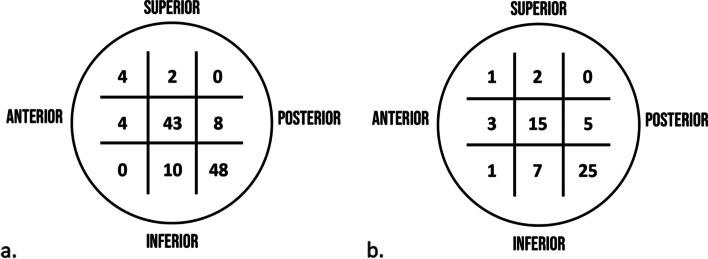
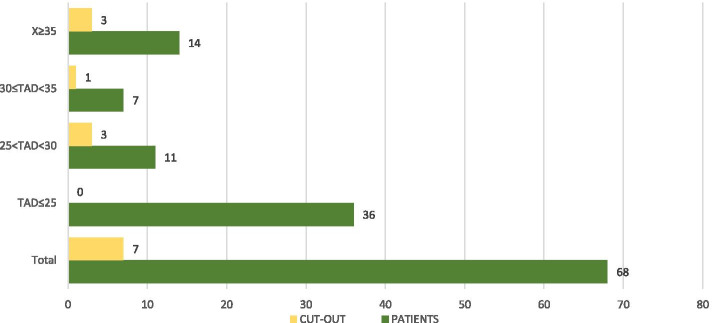
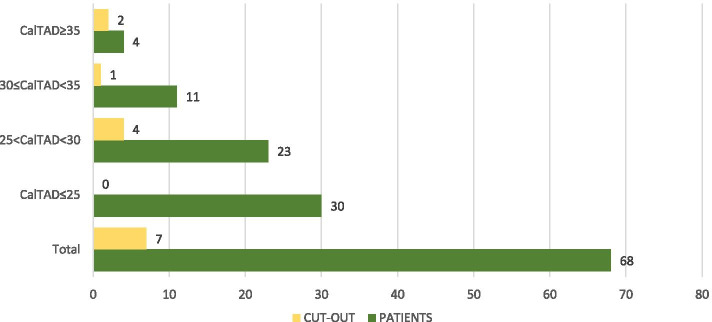
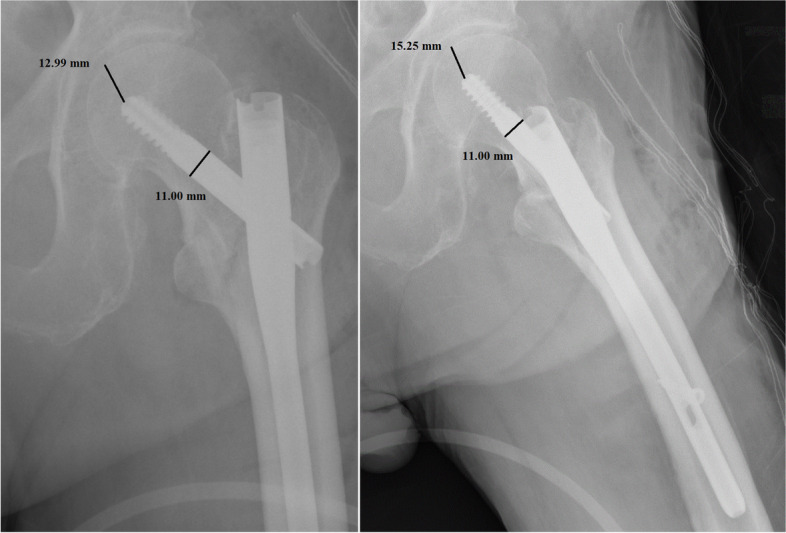
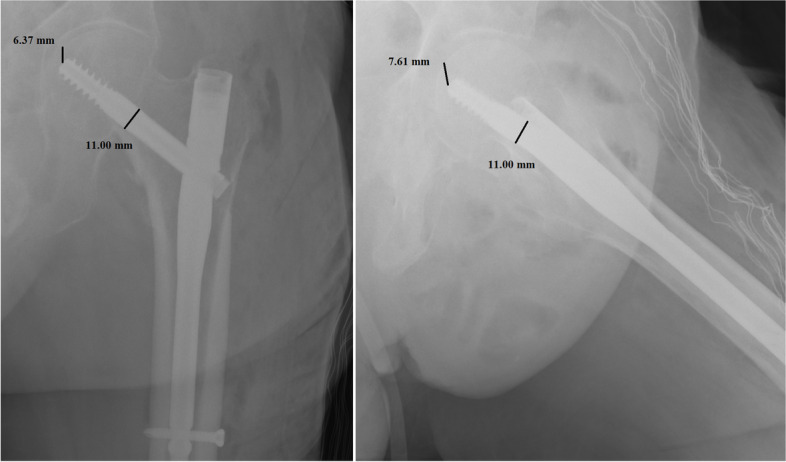
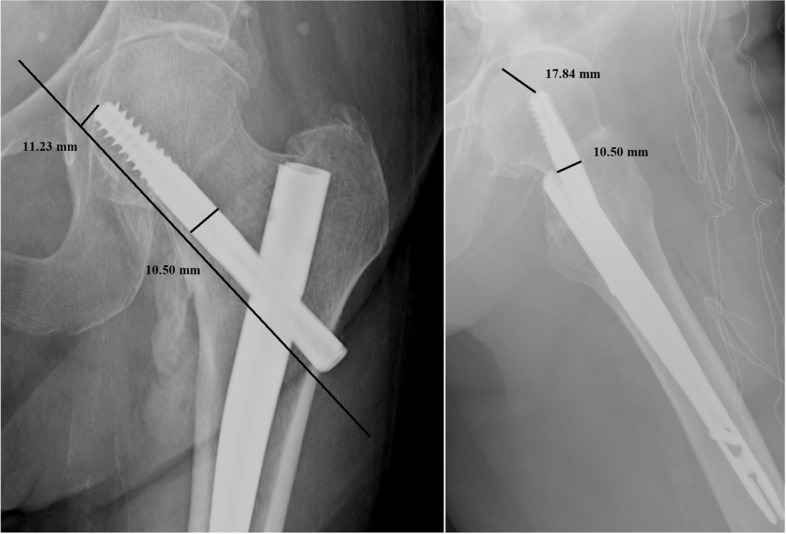
Results: In 119 (66.48%) of the 179 fractures, a ZNN nail was used. Post-operatively, the TAD (tip-to-apex distance) was measured at an average value of 17.05 (4.42-41.85) mm and the CalTAD (calcar-referenced TAD) at an average of 20.76 (10.82-43.63) mm. The mean hospitalization time was 10.19 (4-22) days. In the other 60 trochanteric fractures, an ELOS nail was used. Post-operative imaging indicated a TAD of 19.65 (5.08-31.4) mm and a CalTAD of 22.86 mm (12.66-33.77). The average time of the operation was 45.82 (20-110) min. The average period of hospitalization was 10.45 (5-24) days.
Conclusion: Both devices give similar results in terms of short-term post-operative outcome and hospitalization. The price difference between the devices does not translate in different short-term results on the operated patients.
Keywords: ELOS; Hip fracture; Intramedullary nail; Pertrochanteric fracture; ZNN.
© 2021. The Author(s).
Conflict of interest statement
The authors declare that they have no conflicts of interest.
Figures
References
-
- Lorich DG, Geller DS, Nielson JH. Osteoporotic pertrochanteric hip fractures: management and current controversies. Instr Course Lect. 2004;53:441–454. - PubMed
MeSH terms
LinkOut - more resources
Full Text Sources
Medical
Research Materials
Miscellaneous
