


Advanced glycosylation end products inhibit the proliferation of bone-marrow stromal cells through activating MAPK pathway
- PMID: 34407888
- PMCID: PMC8371865
- DOI: 10.1186/s40001-021-00559-x
Advanced glycosylation end products inhibit the proliferation of bone-marrow stromal cells through activating MAPK pathway
Abstract
Background: The purpose of present study was to explore the mechanism of nuclear factor-kappa B (NF-κB), phosphatidylinositol 3-kinase (PI3K)/protein kinase B(PKB/Akt) and mitogen-activated protein kinase (MAPK) signaling pathways after intervention of advanced glycosylation end products (AGEs) on rat bone-marrow stromal cells (BMSCs).
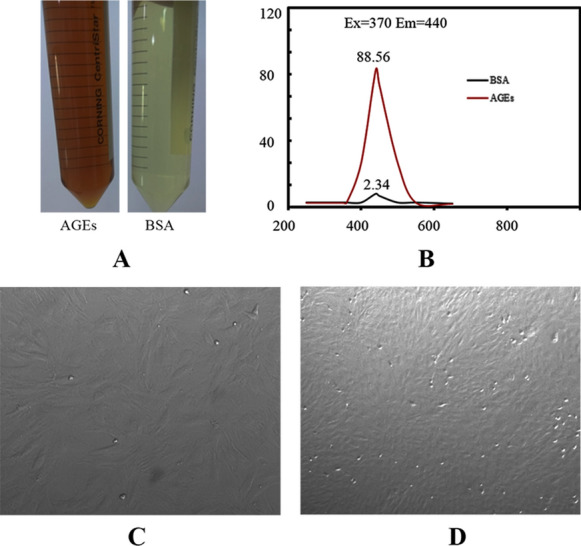
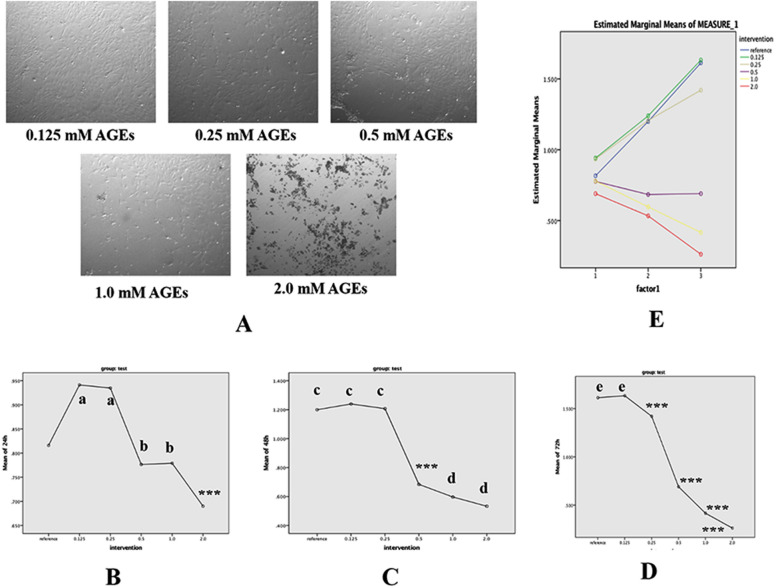
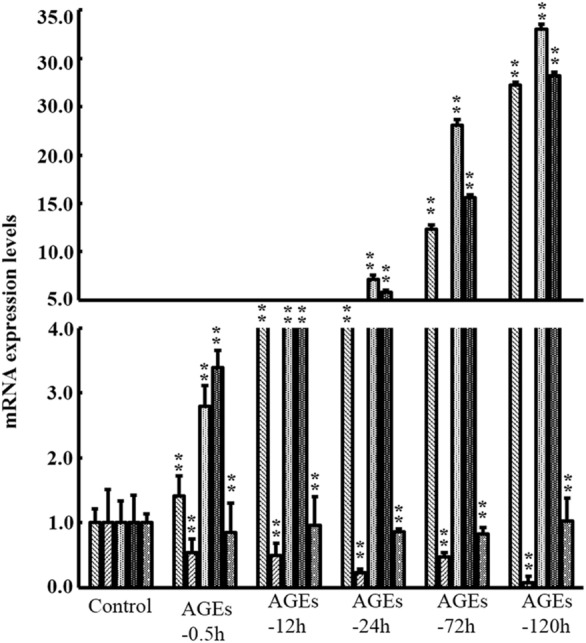
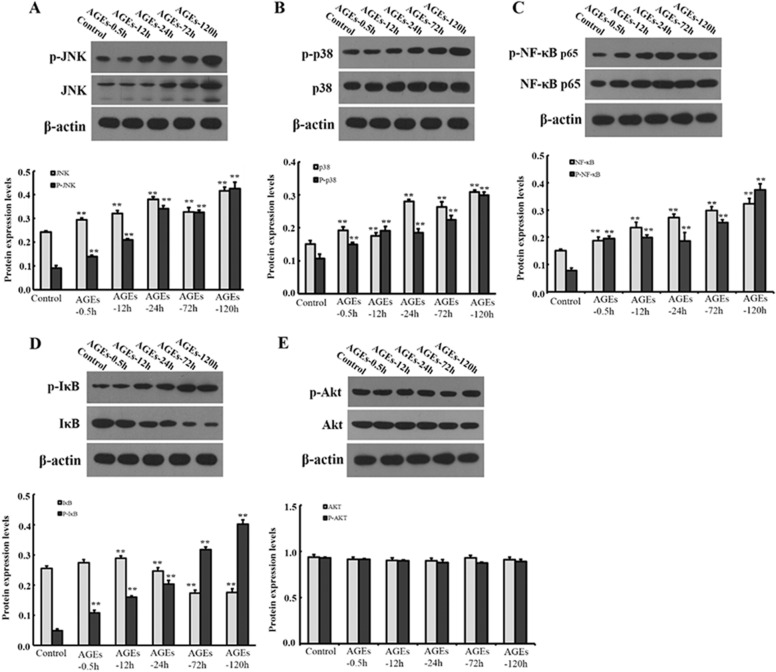
Methods: Prepare and identify AGEs. BMSCs were isolated from 16 SD rats and cultured with different concentration of AGEs. Cell viability was detected by cell counting kit-8 (CCK-8). BMSCs were cultured with AGEs (0.25 mg/ml) for 30 min, 12 h, 24 h, 72 h and 120 h. In addition, BMSCs were cultured with AGEs, AGEs + JNK inhibitor and AGEs + P38 inhibitor for 24 h and 48 h, respectively. Western blotting and RT-PCR were used to determine the protein and mRNA expression levels, respectively.
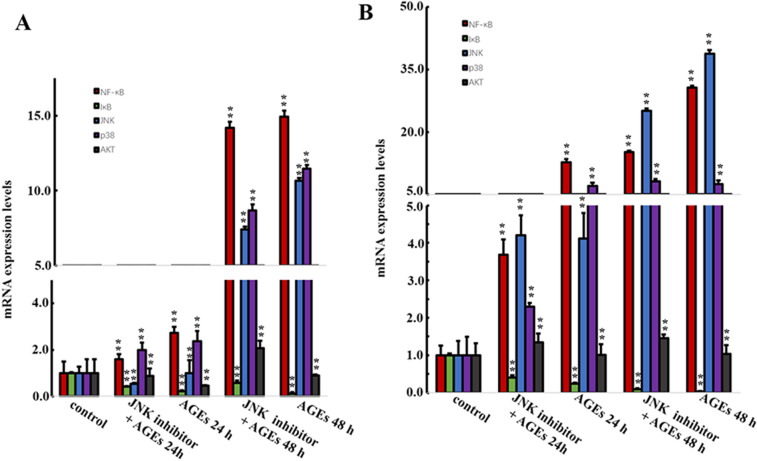
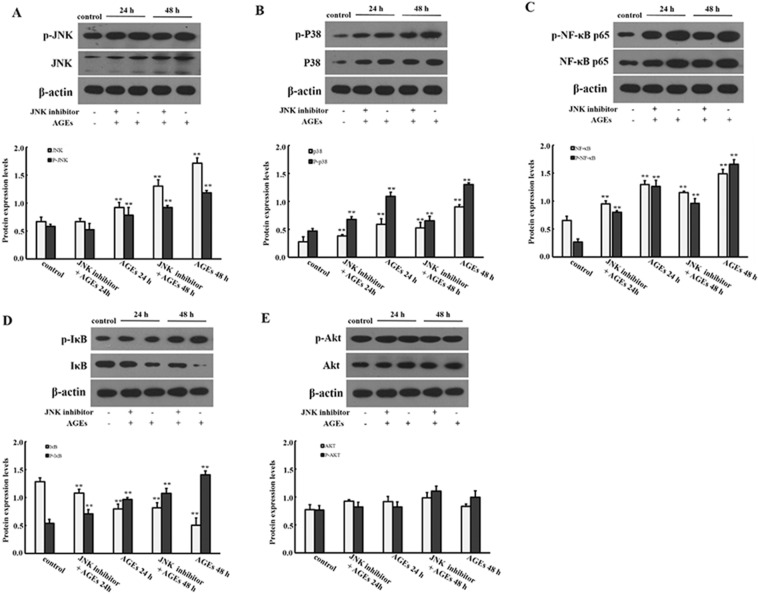
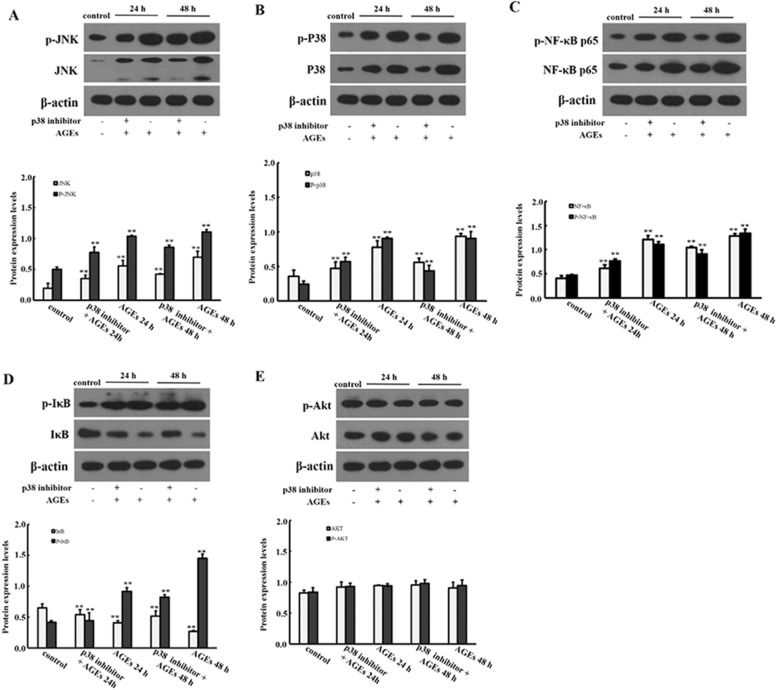
Results: Cell viability of BMSCs was significantly correlated with concentration and effect time of AGEs (P < 0.05), and the most appropriate concentration was 0.25 mg/ml. AGEs stimulation significantly increased the protein expression levels of NF-κB p65, JNK, p38 (P < 0.05), decreased IκB (P < 0.05), but had no effect on the protein expression of Akt in BMSCs (P > 0.05). At the mRNA level, JNK and p38 inhibitors significantly reduced the levels of NF-κB p65, p38 and JNK, increased IκB (P > 0.05), but had no effect on Akt in BMSCs (P > 0.05). At the protein level, JNK and p38 inhibitors notably decreased the expression of NF-κB p65, p38, p-JNK, P-IκB and JNK (P < 0.001), and increased IκB (P < 0.05).
Conclusion: Advanced glycosylation end products can inhibit the proliferation of bone-marrow stromal cells through activating MAPK pathway.
Keywords: Advanced glycosylation end products; Bone-marrow stromal cells; MAPK pathway; Proliferation.
© 2021. The Author(s).
Conflict of interest statement
There are no potential conflicts of interest to disclose.
Figures
References
-
- Li Z, Sha YQ, Zhang BX, Zhu L, Kang J. The effect of community periodontal health care intervention on periodontal health and blood glucose metabolism in patients with type 2 diabetes. J Peking Univ. 2011;43:285–9. - PubMed
-
- Matthews DC. The relationship between diabetes and periodontal disease. J Can Dent Assoc. 2002;68:161–4. - PubMed
MeSH terms
Substances
Grants and funding
LinkOut - more resources
Full Text Sources
Research Materials
Miscellaneous
