


A review of alpha-glucosidase inhibitors from plants as potential candidates for the treatment of type-2 diabetes
- PMID: 34421444
- PMCID: PMC8364835
- DOI: 10.1007/s11101-021-09773-1
A review of alpha-glucosidase inhibitors from plants as potential candidates for the treatment of type-2 diabetes
Abstract
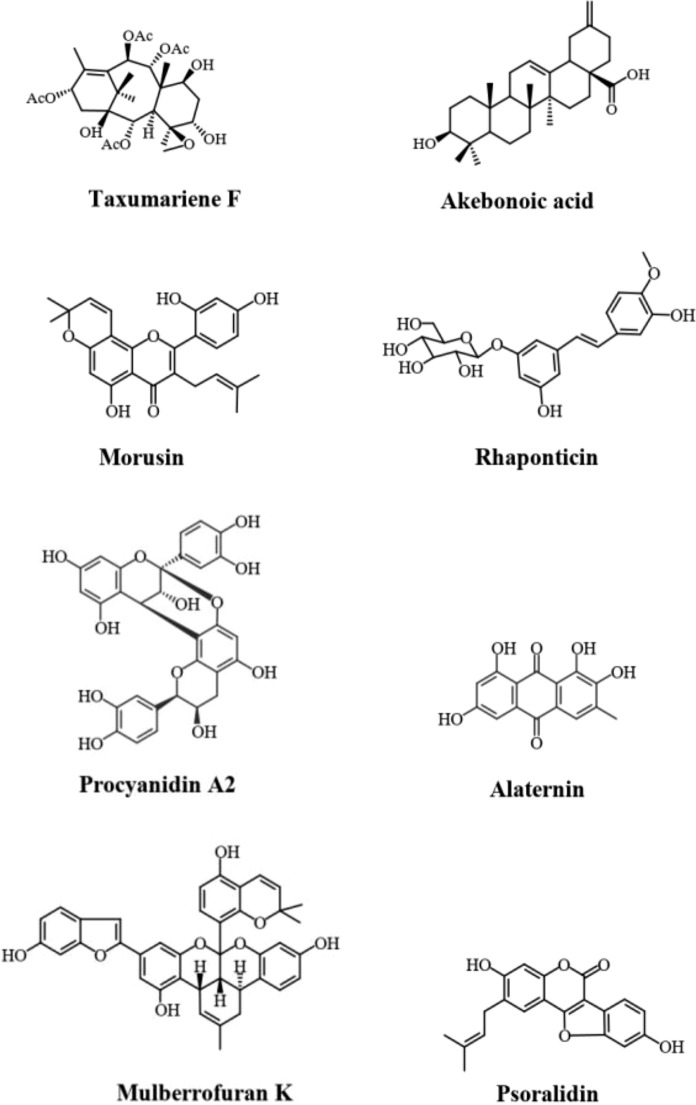
Diabetes mellitus is a multifactorial global health disorder that is rising at an alarming rate. Cardiovascular diseases, kidney damage and neuropathy are the main cause of high mortality rates among individuals with diabetes. One effective therapeutic approach for controlling hyperglycemia associated with type-2 diabetes is to target alpha-amylase and alpha-glucosidase, enzymes that catalyzes starch hydrolysis in the intestine. At present, approved inhibitors for these enzymes are restricted to acarbose, miglitol and voglibose. Although these inhibitors retard glucose absorption, undesirable gastrointestinal side effects impede their application. Therefore, research efforts continue to seek novel inhibitors with improved efficacy and minimal side effects. Natural products of plant origin have been a valuable source of therapeutic agents with lesser toxicity and side effects. The anti-diabetic potential through alpha-glucosidase inhibition of plant-derived molecules are summarized in this review. Eight molecules (Taxumariene F, Akebonoic acid, Morusin, Rhaponticin, Procyanidin A2, Alaternin, Mulberrofuran K and Psoralidin) were selected as promising drug candidates and their pharmacokinetic properties and toxicity were discussed where available.
Supplementary information: The online version contains supplementary material available at 10.1007/s11101-021-09773-1.
Keywords: Alpha-glucosidase; Diabetes; IC50; Stilbenes; Tannins; Triterpenoids.
© The Author(s), under exclusive licence to Springer Nature B.V. 2021.
Conflict of interest statement
Conflict of interestThe authors have no conflicts of interest to declare that are relevant to the content of this article.
Figures

References
Publication types
LinkOut - more resources
Full Text Sources